
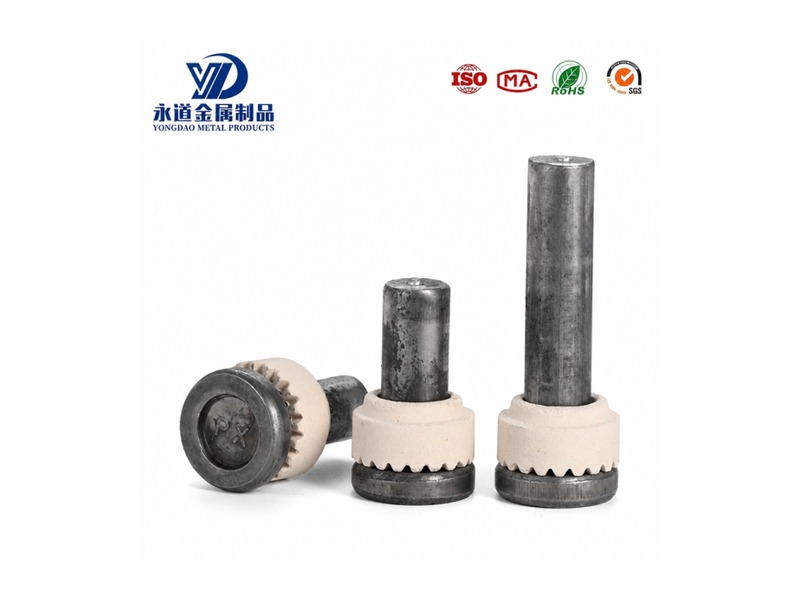
Carbon Steel Plain Cylindrical Head Shear Stud
Cylindrical head shear stud to DIN 32500 in carbon steel, class 4.8, plain finish, M10~M25 for welded shear connection in composite floors and bridges
Product parameters
- Product NameCarbon Steel Plain Cylindrical Head Shear Stud
- CategoryStructural Bolt / Shear Stud
- BrandYONGDAO METAL
- Surface FinishPlain (uncoated)
- MaterialCarbon Steel
- Size RangeM10~M25
- GradeGrade 4.8
- StandardDIN 32500
- MOQ1000 pcs
- OriginHandan, Hebei, China
Items marked "—" are subject to confirmation by actual inquiry; please contact us by email or phone for detailed specifications and quotations.
Product introduction
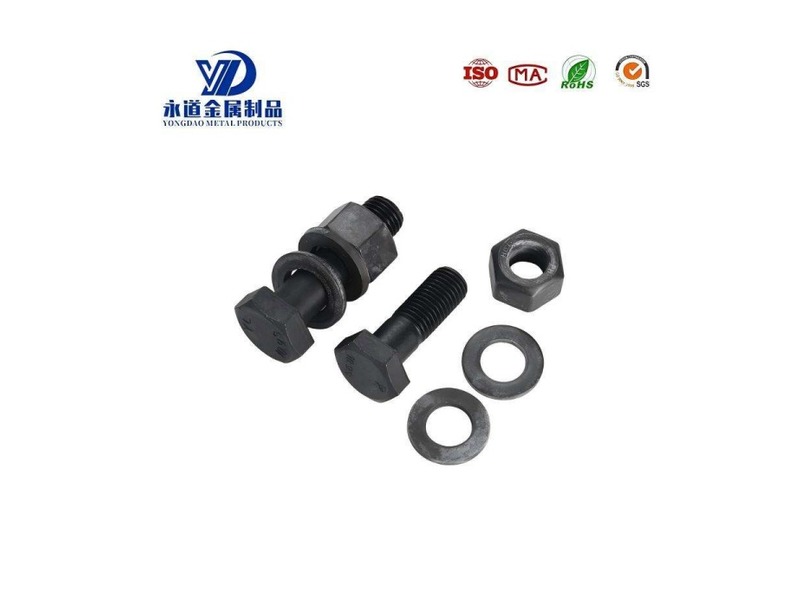
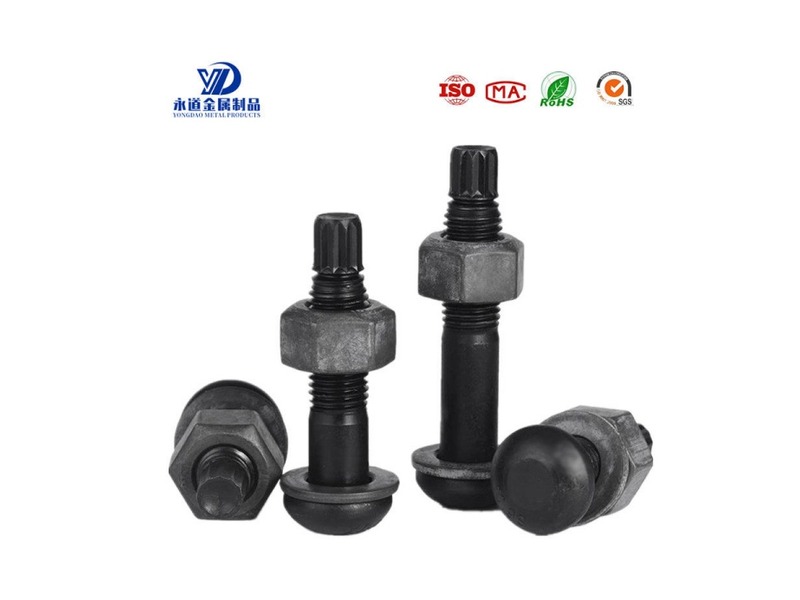
The shear stud is the connector that ties a concrete slab to a steel beam. Its cylindrical head and plain shank are designed for drawn-arc stud welding, so it is fused to the beam flange in one operation and then cast into the concrete, where it carries longitudinal shear between the two materials. Produced to DIN 32500 in carbon steel at class 4.8, this item is supplied uncoated because the welding process needs a clean, conductive surface.
The range is M10 to M25 at class 4.8, which covers most composite floor and bridge deck designs. Shank diameter, length, head diameter, head height and the welding collar geometry all follow the standard, and lengths can be produced to drawing against the deck profile and slab thickness you are using. Because the stud is welded rather than tightened, dimensional consistency of the weld collar and head is what determines a sound weld, so those features are gauged in production.
Welding parameters should be set from the stud diameter and the base metal thickness, and checked with a bend test on the first studs of each shift: a 30-degree bend without cracking at the weld is the usual acceptance criterion. Keep the shank and the weld end free of oil, rust and galvanizing contamination, and do not paint the studs before welding. After welding, damaged or bent studs should be replaced rather than straightened, because straightening can crack the weld heat-affected zone.
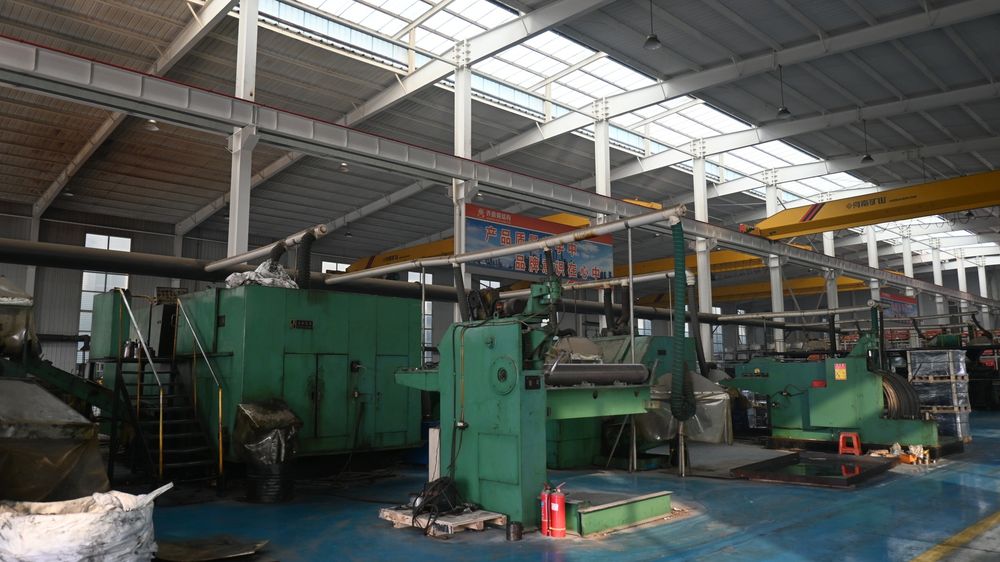
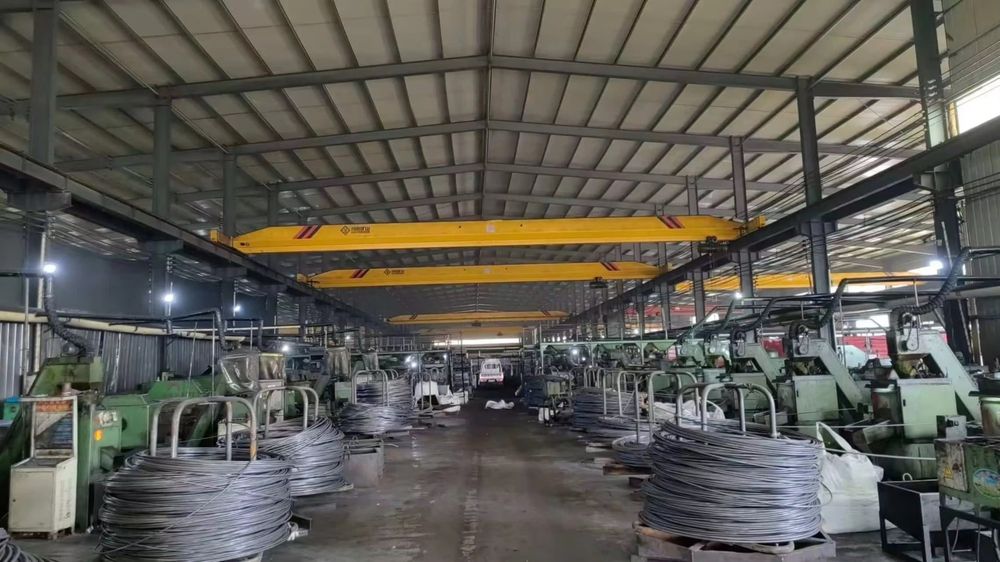
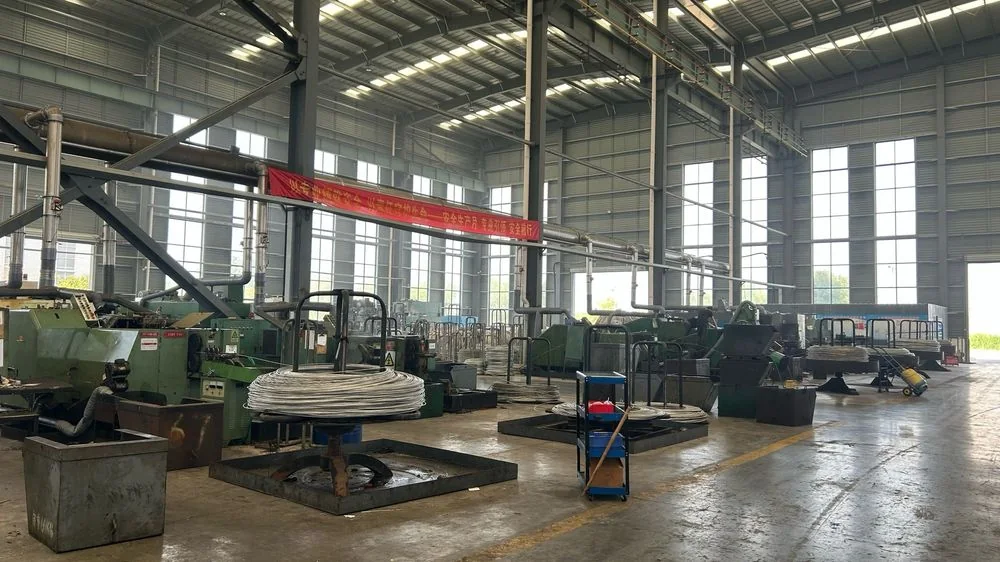
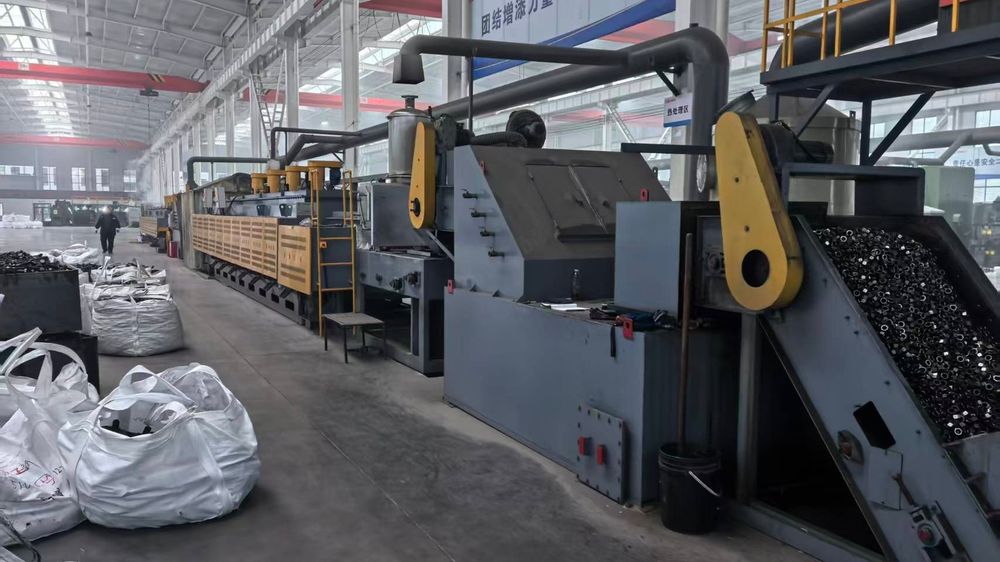
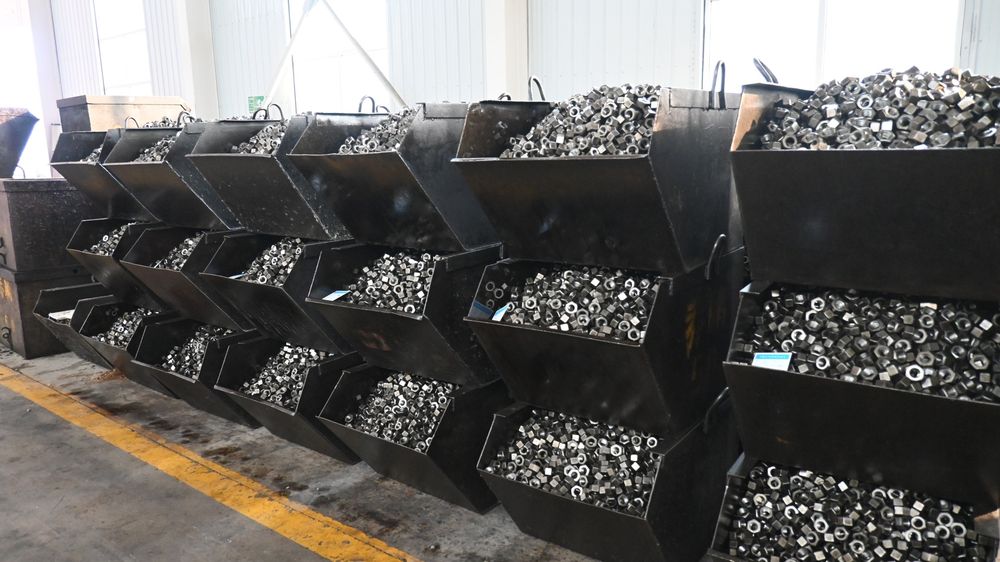
The studs are produced at Handan Yongdao Metal Products Co., Ltd., a plant of about 20,000 square metres with roughly 300 employees and annual capacity near 25,000 tons. Cold heading, thread rolling on the upset end where required, heat treatment and packing run under an ISO 9001 system; thread and collar dimensions are checked go/no-go with about 99.8% first-pass acceptance, critical dimensions hold CPK 1.33 or above, and about 98.5% of orders ship on time.
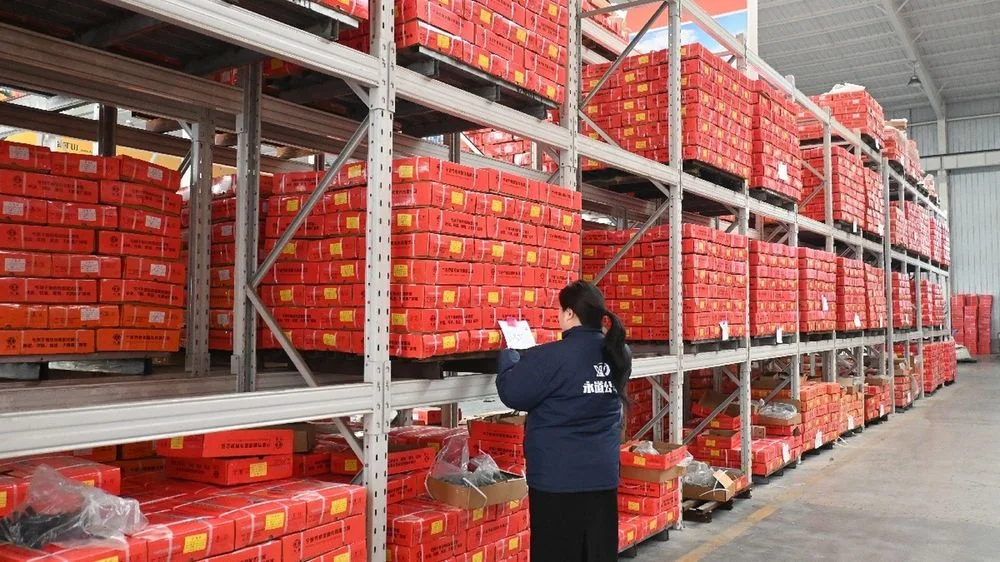
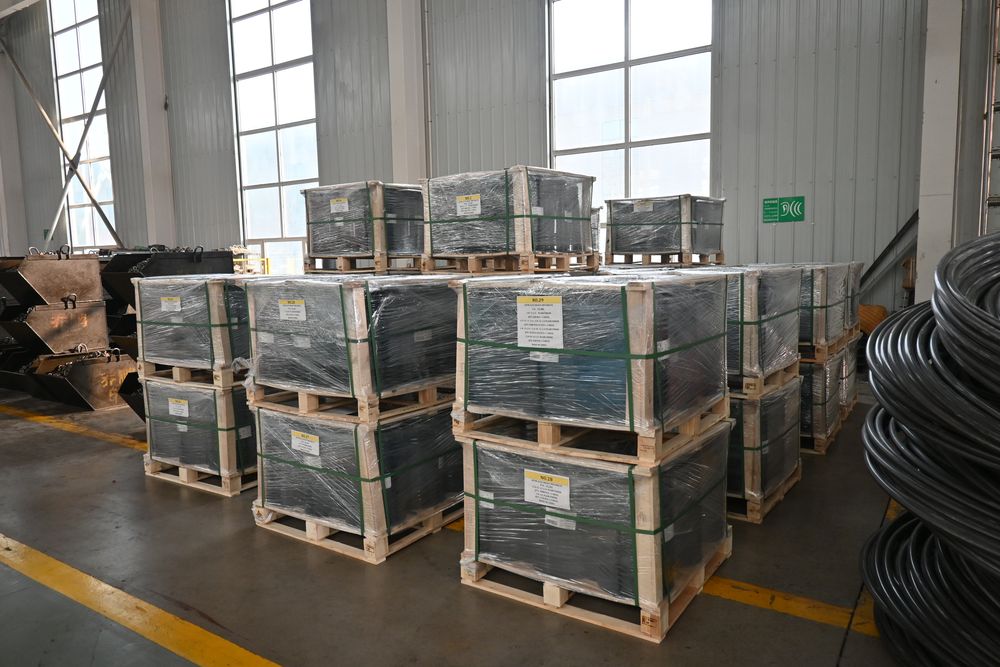
MOQ is 1,000 pieces per size. Stocked sizes dispatch within 7 days, and batch production takes 15 to 25 days depending on diameter, length and quantity. OEM support covers drawing-based shank and head dimensions, alternative classes, ceramic ferrule supply where needed, and neutral packing with your labels; export packing is normally in strong cartons or wooden cases to protect the heads in transit.
Applications include building and steel structure connections, bridges and tunnels, concrete fixing, and machinery assembly. If you are designing a composite floor, send the beam flange thickness, deck profile, stud diameter and required shear capacity, and we will confirm the stud length and head geometry that suit your welding equipment and slab depth.
Shear studs are welded through the decking onto the steel beam with a stud welding gun and a ceramic ferrule, and the weld is then bent to check that it has fused properly before concreting. The cylindrical head with a plain uncoated finish is what the welding process requires; any oil or plating on the weld end would spoil the joint. Sizes M10 to M25 cover composite floor beams, bridge decks, concrete fixing plates and machine foundations. Studs are packed in moisture-barrier cartons so they arrive dry and weld cleanly. ISO 9001 procedures govern lot release.
Applications
FACTORY TOUR
PACKING & DELIVERY
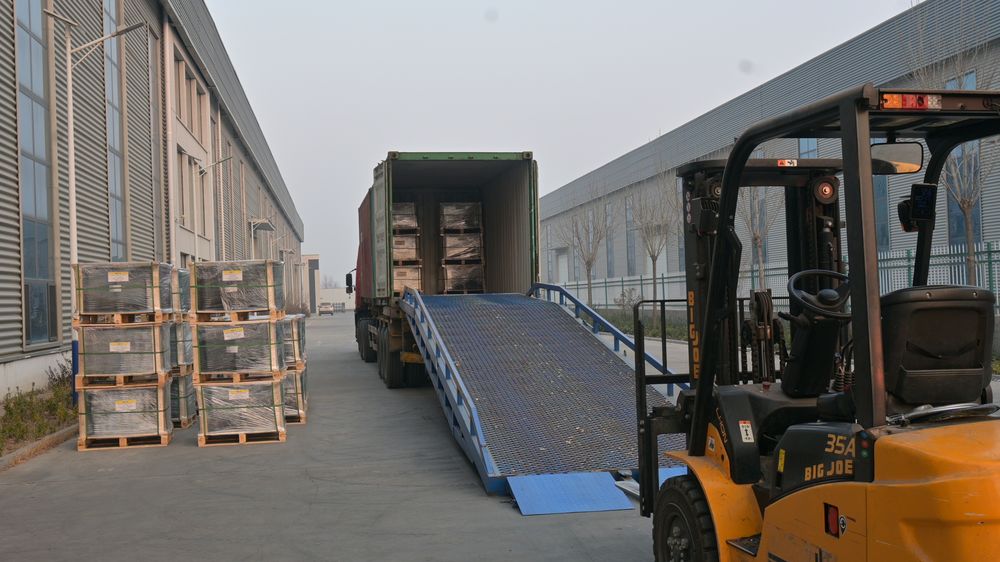
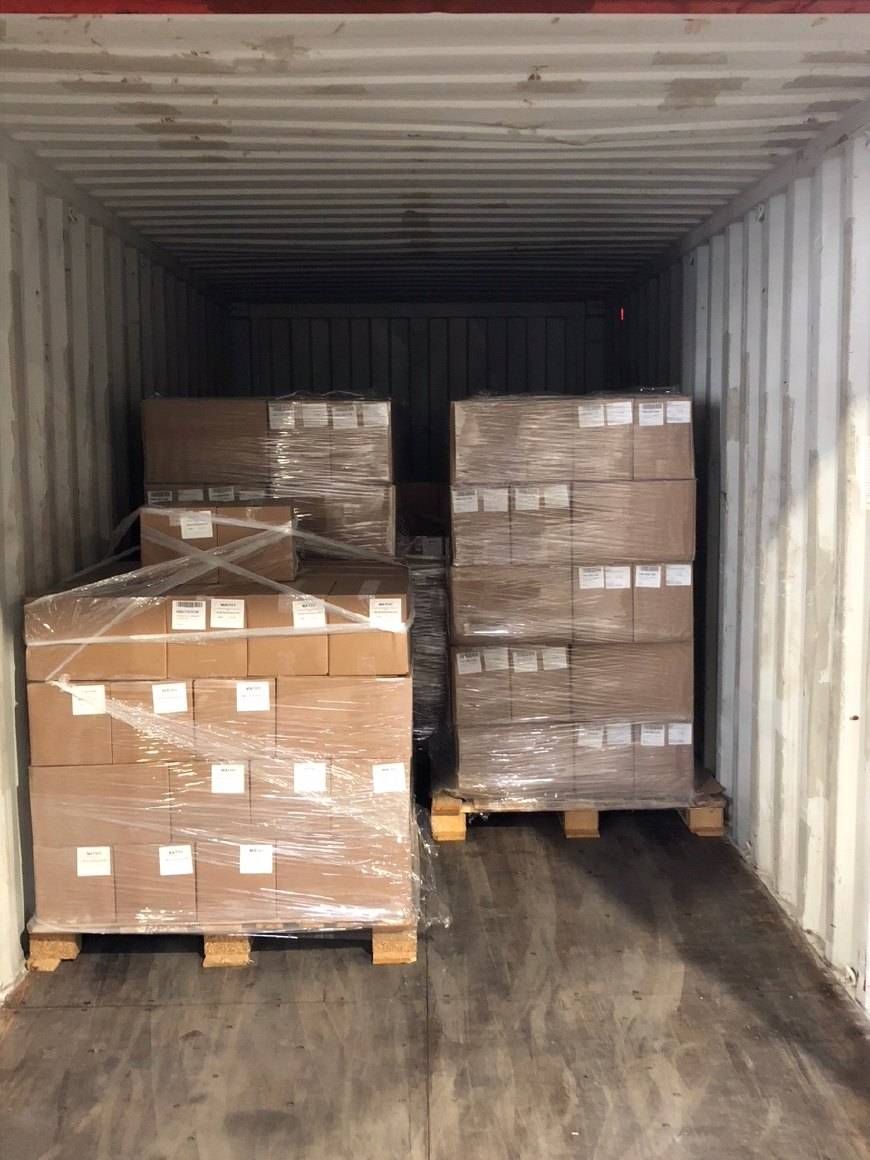

Customized delivery process
Order precautions
Before placing an order, please confirm the required product category with our sales or service staff. Customized products are not eligible for return or exchange; ex-works prices do not include taxes or freight. Every batch is strictly inspected before shipment, and minor imperfections are not considered quality problems. Please check the goods carefully upon receipt and contact us promptly if you have any questions.
- 1Provide custom drawings
- 2Choose material
- 3Get a quotation
- 4Sign the contract
- 5Production
- 6Packing & shipping
- 7Confirm receipt
- 8Order completed
Product inquiry
Frequently Asked Questions
Common questions about production, customization and orders
What is a shear stud used for?
It connects a concrete slab to a steel beam in composite construction, carrying longitudinal shear between the two materials. The stud is welded to the beam flange and then cast into the concrete.
Which standard does this stud follow?
DIN 32500 for cylindrical head shear studs, in carbon steel at class 4.8. Shank diameter, length, head dimensions and the weld collar are checked against the standard and against your drawing.
Why is it supplied without coating?
Stud welding needs a clean, conductive surface on the weld end. Paint, oil or galvanizing interferes with the arc and weakens the weld, so the stud is supplied plain and should be kept dry and clean before welding.
How do you verify weld quality on site?
The usual check is a bend test: bend the first studs of each shift about 30 degrees and inspect the weld for cracking. Consistent stud geometry and clean base metal are the main factors in a sound weld.
What is the MOQ and lead time?
MOQ is 1,000 pieces per size. Stocked sizes ship within 7 days; batch production runs about 15 to 25 days depending on diameter, length and quantity, with special lengths quoted separately.
How are the head and weld collar inspected?
Head diameter, head height, shank diameter and collar geometry are gauged per lot, threads where present are checked go/no-go at about 99.8% first-pass acceptance, and critical dimensions are held at CPK 1.33 or better.