
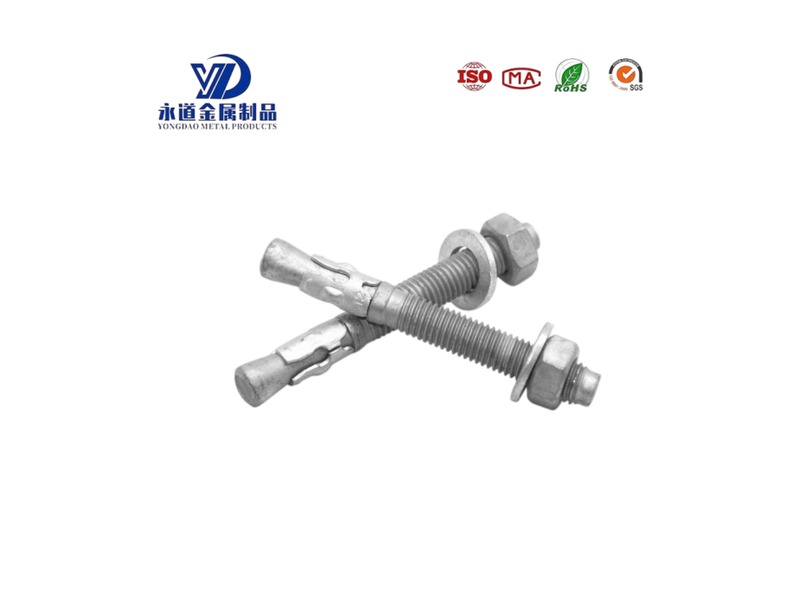
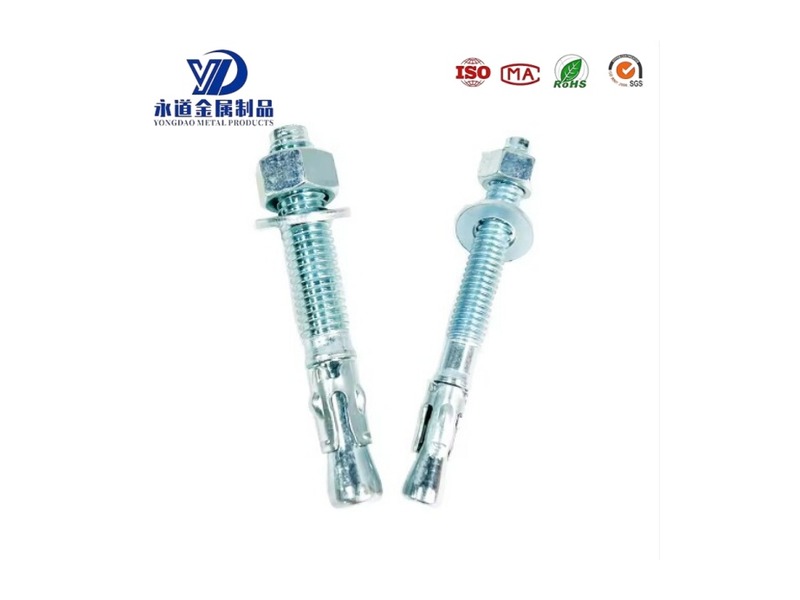
Hot-Dip Galvanized Wedge Anchor
Wedge anchor · hot-dip galvanized · grade 4.8 carbon steel · mechanical expansion fixing for concrete, structural steel connections, guardrails and pipework supports
Product parameters
- Product NameHot-Dip Galvanized Wedge Anchor
- CategoryExpansion Anchor / Wedge Anchor
- BrandYONGDAO METAL
- Surface FinishHot-dip galvanized
- MaterialCarbon Steel
- Size Range—
- GradeGrade 4.8
- StandardETAG 001
- MOQ1000 pcs
- OriginHandan, Hebei, China
Items marked "—" are subject to confirmation by actual inquiry; please contact us by email or phone for detailed specifications and quotations.
Product introduction
A wedge anchor is a mechanical expansion fixing. The anchor is placed in a drilled hole and the nut is tightened, which pulls a tapered wedge up through a clip at the far end and forces the clip outward against the wall of the hole. Friction and mechanical interlock against the concrete carry the load. Nothing cures and nothing is mixed on site, so the fixing can be loaded immediately after tightening, which is the main reason wedge anchors dominate general concrete fixing work.
Hole preparation determines whether the anchor works at all. The hole must be drilled to the specified diameter with a bit in good condition, taken to the specified depth, and cleaned of dust before insertion. A hole drilled with a worn bit is oversized and the clip cannot develop its expansion; dust left in the hole cushions the clip and has the same effect. In practice, most reported anchor failures trace back to drilling and cleaning rather than to the anchor itself.
Embedment depth is the second controlling variable. The anchor must be set deep enough that the expansion clip bears on sound concrete and the required thread length remains above the surface for the nut and washer. Too shallow and the clip sits in the surface zone where the concrete is weaker and more likely to spall; too deep with a short anchor and there is not enough thread to tighten. Depth is checked with the drill or a depth gauge, not estimated by eye.
Loads on a wedge anchor resolve into two components that behave very differently. Pull-out or tension loading acts along the anchor axis and is resisted by the expansion clip and the concrete cone around it. Shear loading acts across the anchor axis and is resisted by the steel section and by bearing against the hole edge. Combined tension and shear occur in almost every real bracket, and the interaction is not additive in a simple way, which is why anchor capacity is taken from the design values for the specific diameter, concrete strength and embedment, not from a generic figure.
This version carries a hot-dip galvanized finish, which is the heavier zinc coating applied by dipping the finished anchor. It provides substantially more corrosion protection than electroplated zinc and is the usual choice for outdoor guardrails, fencing, exposed structural steel connections and any installation where the anchor will see weather, humidity or occasional wetting. Where the environment is aggressive, coastal or chemically exposed, a stainless grade should be considered instead.
Installation discipline makes the difference on site: drill perpendicular to the surface, clean the hole thoroughly, seat the anchor to the required depth, tighten to the torque appropriate for the diameter, and check that the fixture is fully seated before final tightening. Over-torquing can pull the clip through or spin the anchor in the hole; under-torquing leaves the expansion incomplete. For repeat work, a torque wrench and a fixed drilling routine give far more consistent results than judgement alone.
Where these anchors are installed in an existing structure, condition of the concrete matters as much as the anchor. Old concrete that has been patched, or that contains voids or reinforcement close to the drilling line, will not behave like the material assumed in the design. A quick check for reinforcement before drilling avoids cutting a bar, and if a hole strikes a void the anchor should be relocated rather than forced. In exposed outdoor work, hot-dip coating also needs care during installation, since aggressive hammering can damage the zinc layer at the thread and start corrosion at the most highly stressed point.
Applications
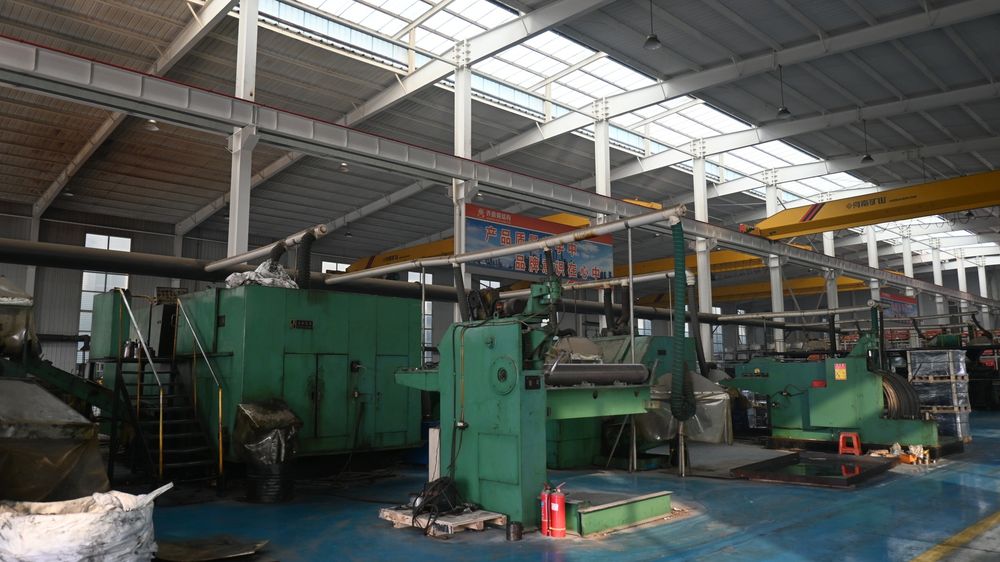
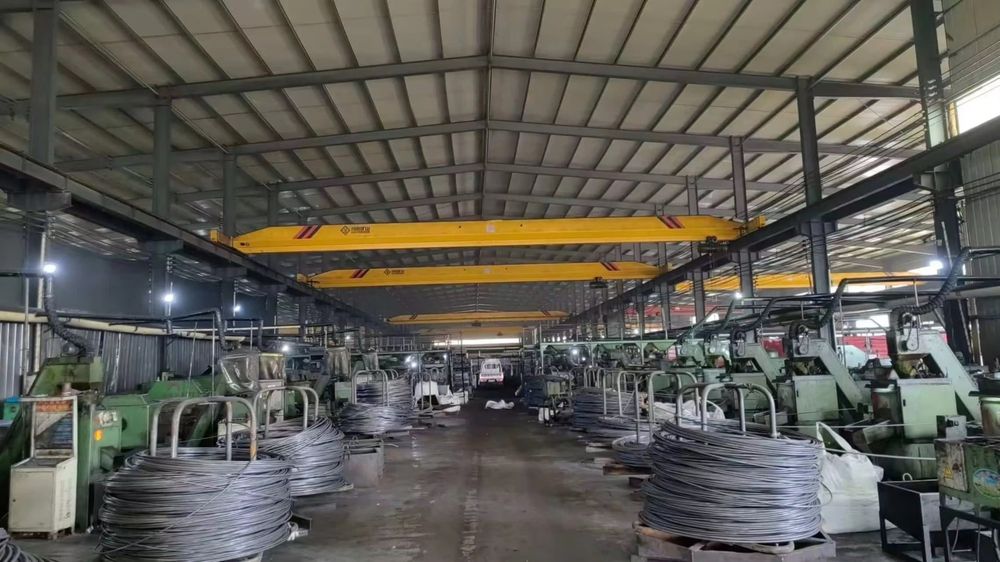
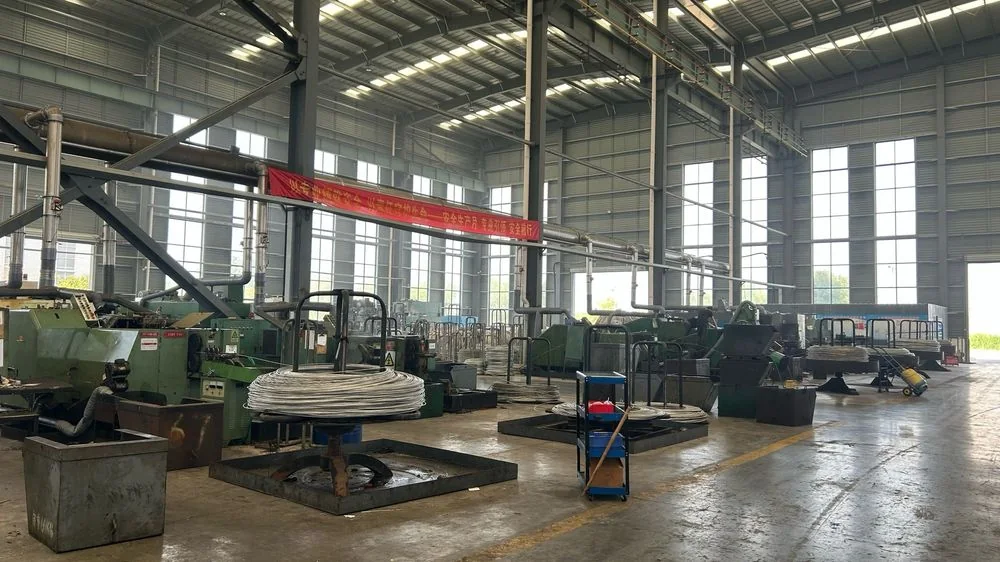
FACTORY TOUR
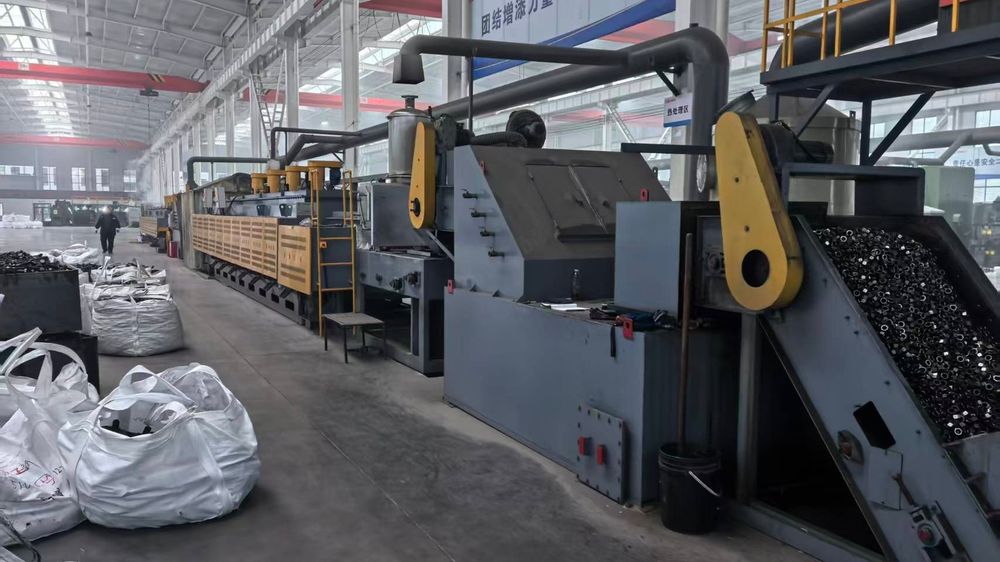
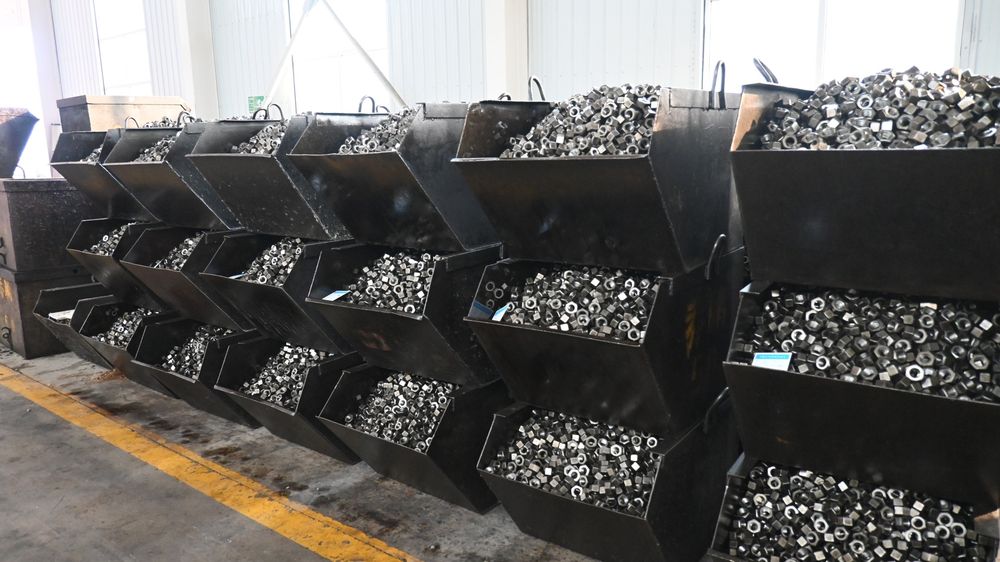
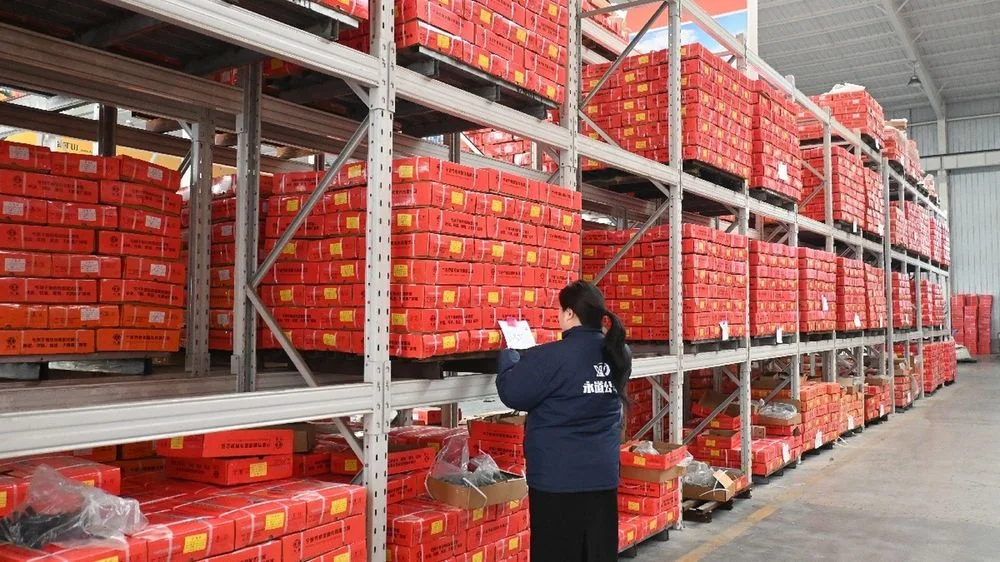
PACKING & DELIVERY
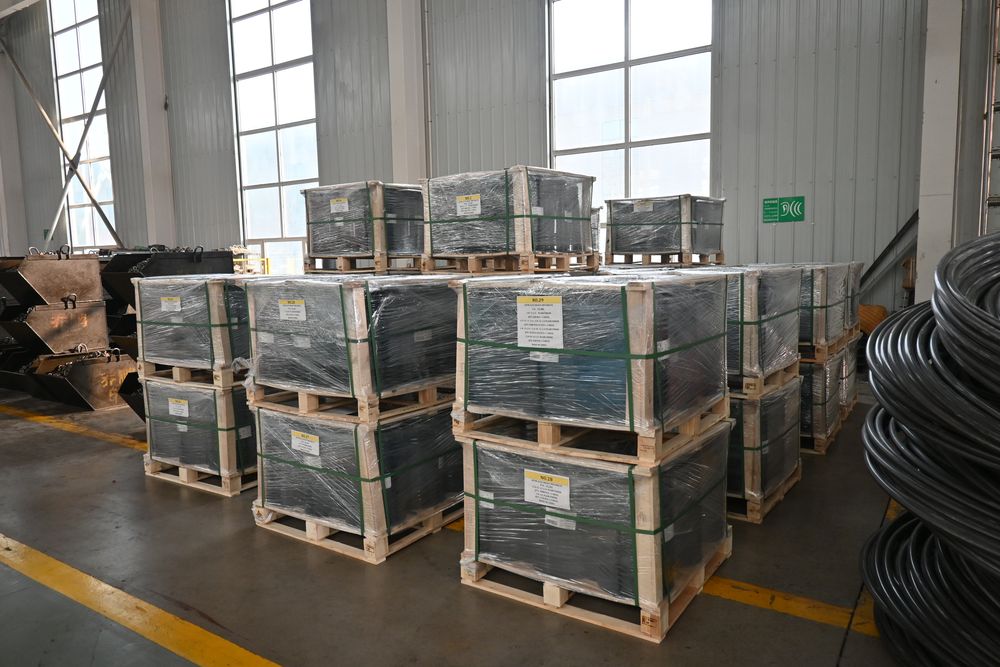
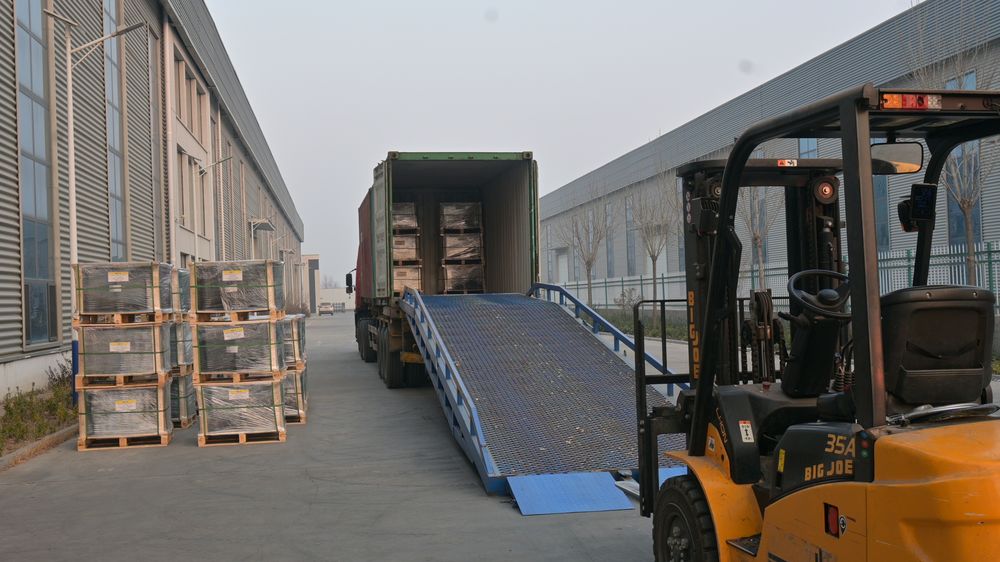
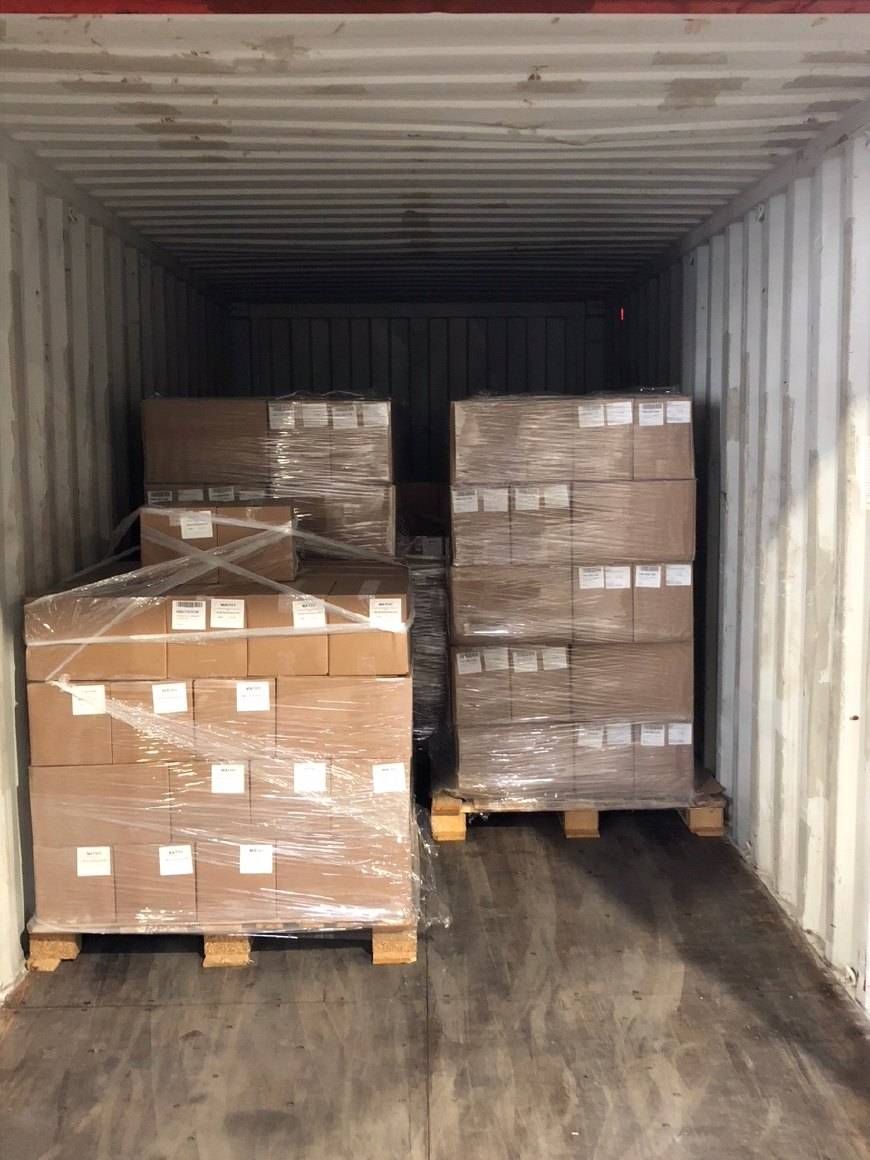
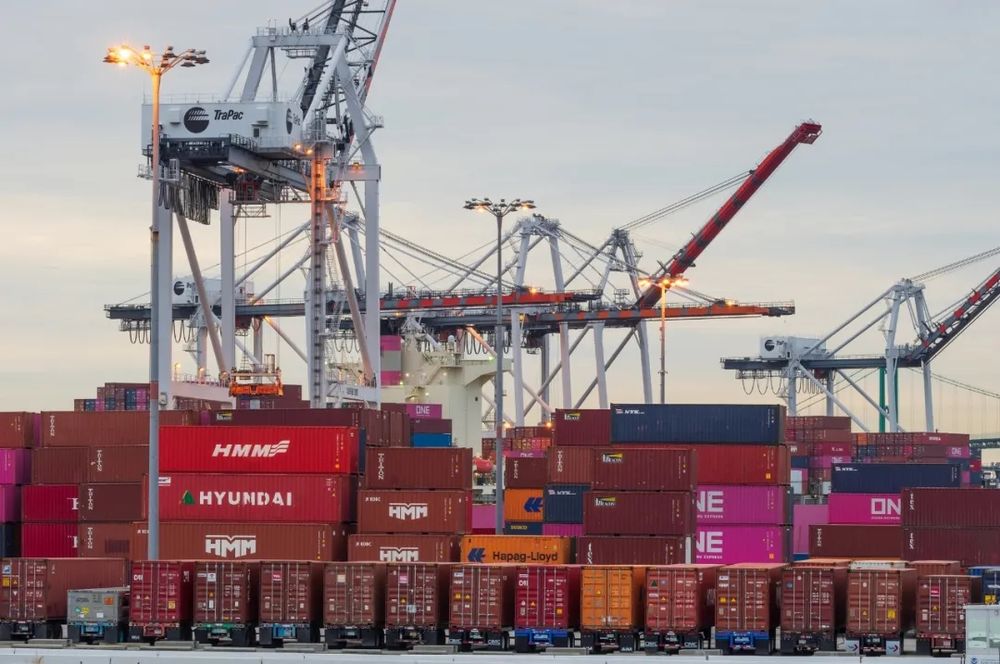
Customized delivery process
Order precautions
Before placing an order, please confirm the required product category with our sales or service staff. Customized products are not eligible for return or exchange; ex-works prices do not include taxes or freight. Every batch is strictly inspected before shipment, and minor imperfections are not considered quality problems. Please check the goods carefully upon receipt and contact us promptly if you have any questions.
- 1Provide custom drawings
- 2Choose material
- 3Get a quotation
- 4Sign the contract
- 5Production
- 6Packing & shipping
- 7Confirm receipt
- 8Order completed
Product inquiry
Related products
Frequently Asked Questions
Common questions about production, customization and orders
How does a wedge anchor develop its holding force?
Tightening the nut draws a tapered wedge through a clip at the far end, forcing the clip outward against the drilled hole wall. Friction and mechanical interlock against the concrete resist the load, so the fixing is mechanical rather than chemical and can be loaded immediately after tightening.
Why does a wedge anchor sometimes spin in the hole?
Usually because the hole was drilled oversized with a worn bit, was not cleaned, or the anchor was set too shallow so the clip cannot bear on sound concrete. Over-tightening can also pull the clip through. Check bit condition, hole depth and cleaning before blaming the fastener.
What is the difference between tension and shear loading?
Tension acts along the anchor axis and is resisted by the expansion clip and the concrete cone around it. Shear acts across the axis and is resisted by the steel section and bearing at the hole edge. Most real brackets combine both, so capacity is read from the design values for the specific diameter, embedment and concrete strength.
What concrete thickness do I need?
Base material thickness must exceed the effective embedment depth with enough margin that the expansion zone is fully inside sound concrete and the breakout cone is not truncated by the far face. The exact requirement follows the anchor's design data for the diameter and embedment used.
Can this anchor be used in brick or block?
Wedge anchors are intended for concrete. In hollow brick or block there is no continuous mass for the clip to expand against, and capacity becomes unpredictable. For masonry, a purpose-made masonry anchor or a chemical system with a screen sleeve is the appropriate selection.
Why choose hot-dip galvanized over zinc-plated?
Hot-dip galvanizing deposits a much thicker zinc layer and gives substantially longer protection in outdoor, humid or intermittently wet service, which suits guardrails, fencing and exposed steel connections. Electroplated zinc is adequate for dry interior fixing but not for sustained weather exposure.