
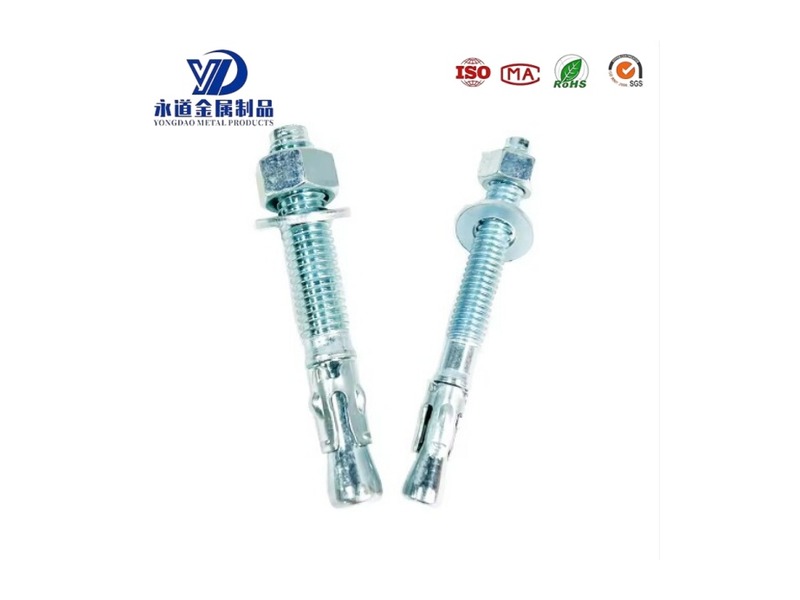
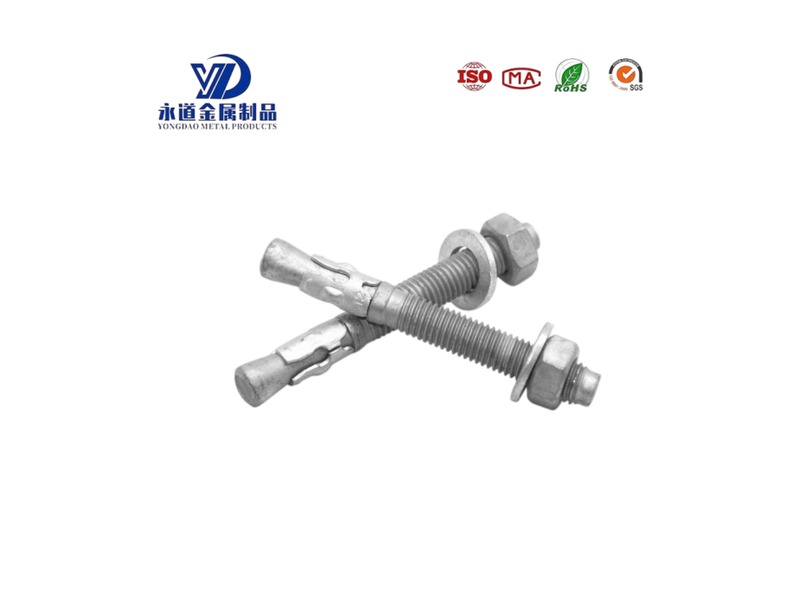
Zinc-Plated Wedge Anchor
Wedge anchor · zinc-plated · grade 4.8 carbon steel · mechanical expansion fixing for concrete, interior steel connections, pipework supports and machinery assembly
Product parameters
- Product NameZinc-Plated Wedge Anchor
- CategoryExpansion Anchor / Wedge Anchor
- BrandYONGDAO METAL
- Surface FinishZinc-plated
- MaterialCarbon Steel
- Size Range—
- GradeGrade 4.8
- StandardETAG 001
- MOQ1000 pcs
- OriginHandan, Hebei, China
Items marked "—" are subject to confirmation by actual inquiry; please contact us by email or phone for detailed specifications and quotations.
Product introduction
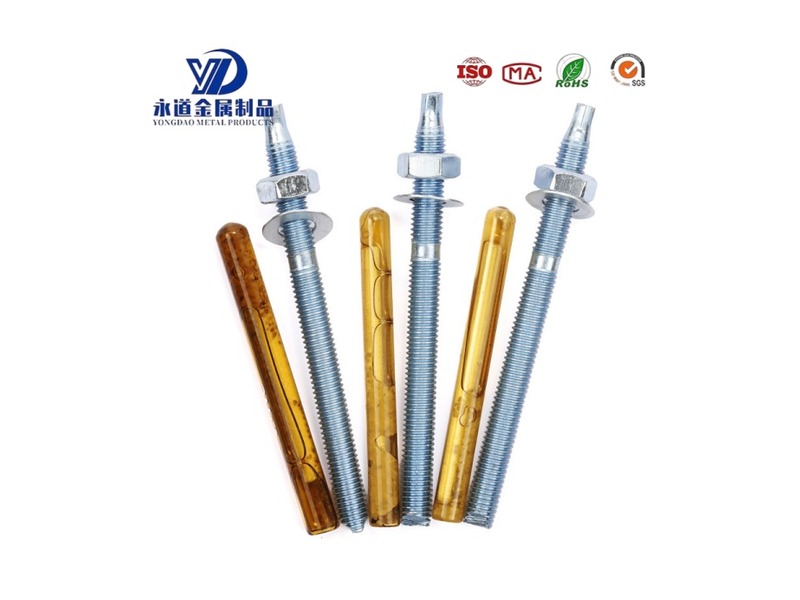
This is the zinc-plated version of our wedge anchor, and the working principle is identical: a tapered wedge is drawn through an expansion clip as the nut is tightened, pressing the clip against the wall of a drilled hole in concrete. It is a mechanical fixing with no resin and no curing time, so a bracket can be loaded as soon as it is tightened, which suits installation sequences where scaffolding or access cannot wait.
The distinction from the hot-dip version is the coating and therefore the service environment. Electroplated zinc gives a thin, bright, uniform layer that protects the anchor during storage and in dry interior conditions, and it is the economical choice for indoor fixing of pipework supports, machinery bases, racking and steel connections inside a building. It is not intended for sustained outdoor exposure, coastal air or repeated wetting, where the thicker hot-dip coating or stainless steel belongs.
Drilling quality is the controlling factor in performance. The hole must match the anchor diameter, be drilled to the specified depth with a sharp bit, and be cleaned of dust before the anchor is inserted. An oversized hole prevents the clip from developing its expansion, and residual dust acts as a cushion with the same result. Where an anchor appears to hold initially and then loosens, the usual cause is cleaning or depth rather than the coating.
Once set, the anchor resists two kinds of load. Tension or pull-out acts along the axis and is carried by the expansion clip and the concrete around it; shear acts across the axis and is carried by the steel shank and bearing at the hole edge. Real brackets rarely see one alone. Capacity is therefore read from design values for the specific diameter, embedment depth and concrete strength rather than from a single headline number, and reduced spacing or edge distance lowers it further.
Installation practice is straightforward but needs consistency: drill perpendicular to the surface, blow or brush the hole clean, drive the anchor to the required depth, fit the fixture, then tighten to the torque appropriate for the diameter. Over-torquing risks pulling the clip through or spinning the anchor; under-torquing leaves the expansion incomplete and the connection loose. A torque wrench and a fixed drilling routine produce noticeably better results than judgement alone.
For buyers running repetitive interior fit-out work, the benefit of a plated wedge anchor is predictable behaviour at a sensible cost, provided the environment suits the coating. We keep thread form, clip geometry and plating thickness within a set band so anchors from different deliveries set the same way, and stock sizes are dispatched within about a week.
For interior fit-out work, sequencing is usually the practical worry. Because a wedge anchor can be loaded immediately after tightening, it allows brackets to be set, checked for line and level, and handed over without waiting. That advantage disappears if the drill and cleaning routine is rushed at the end of a shift, which is when most poor installations happen. Cleaning the hole properly takes seconds with a brush and pump, and doing it consistently, even on the last fixing of the day, is the difference between a support that stays tight and one that is called back.
Applications
FACTORY TOUR
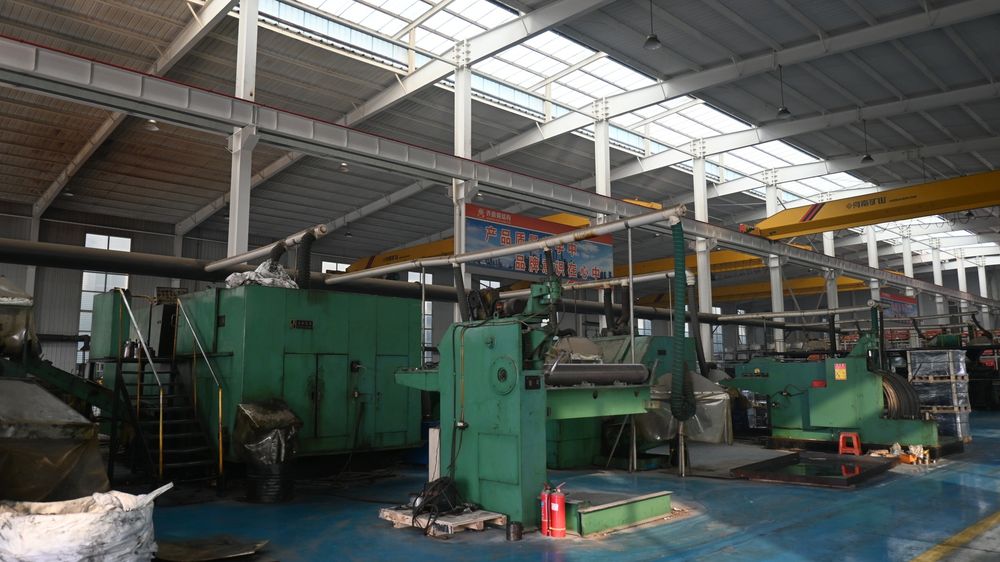
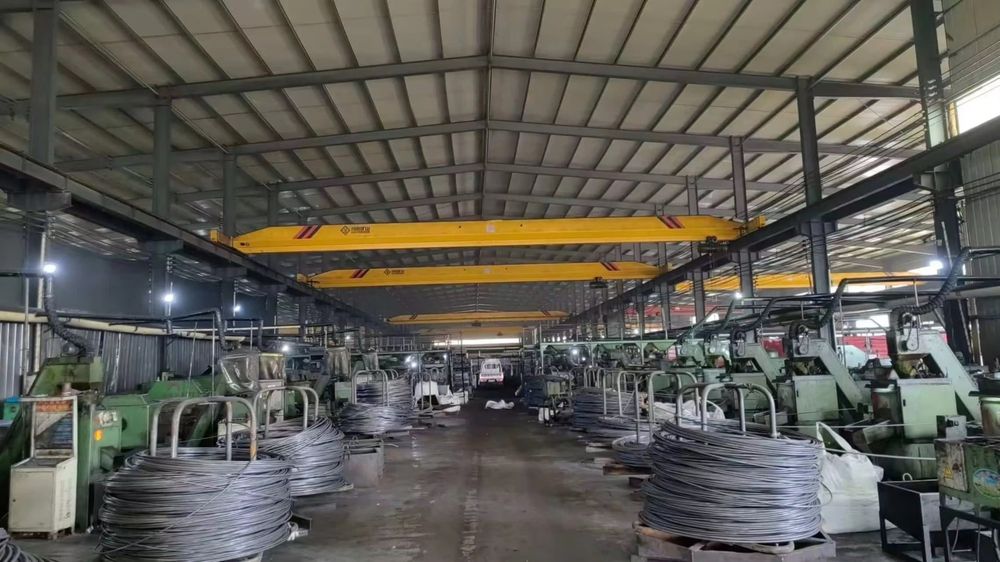
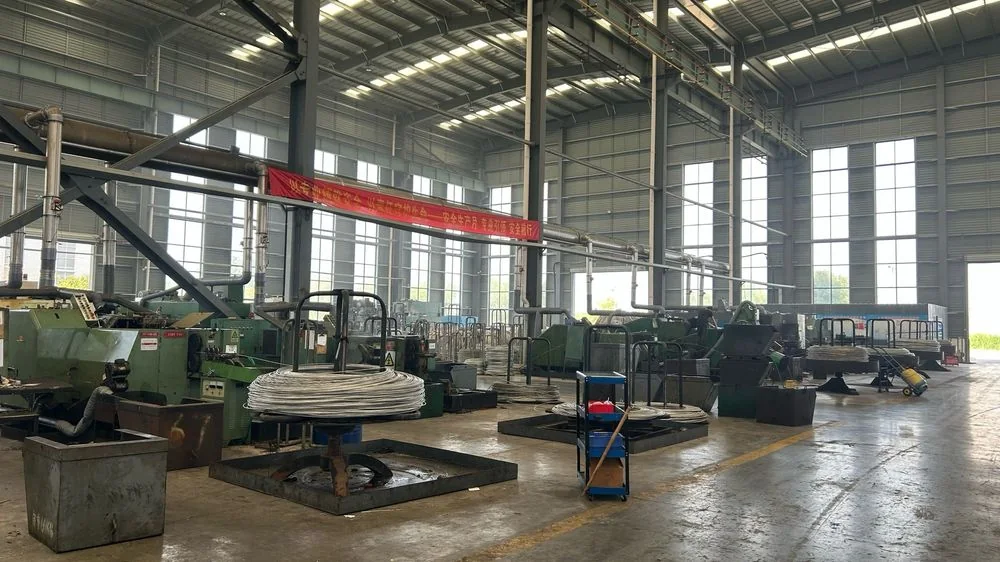
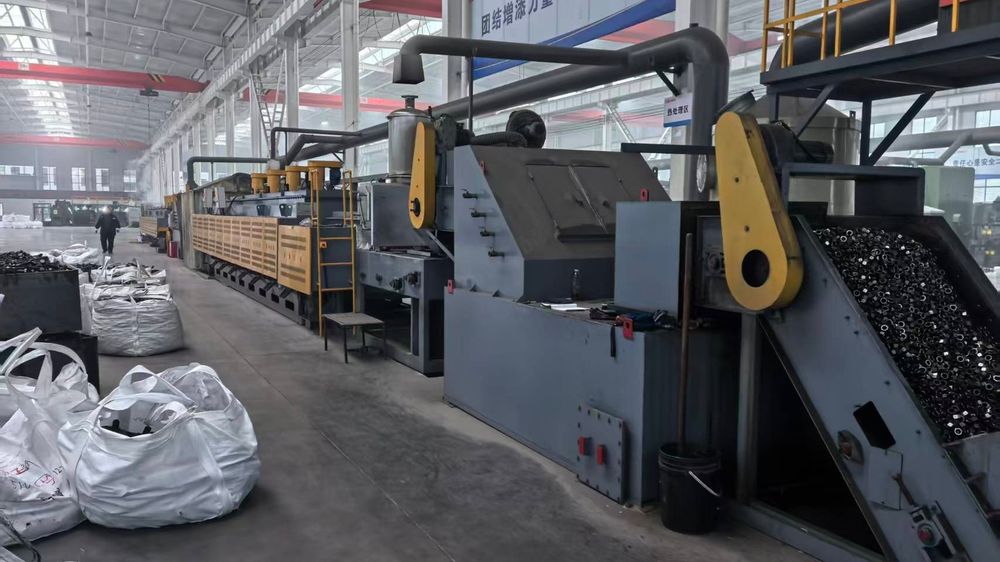
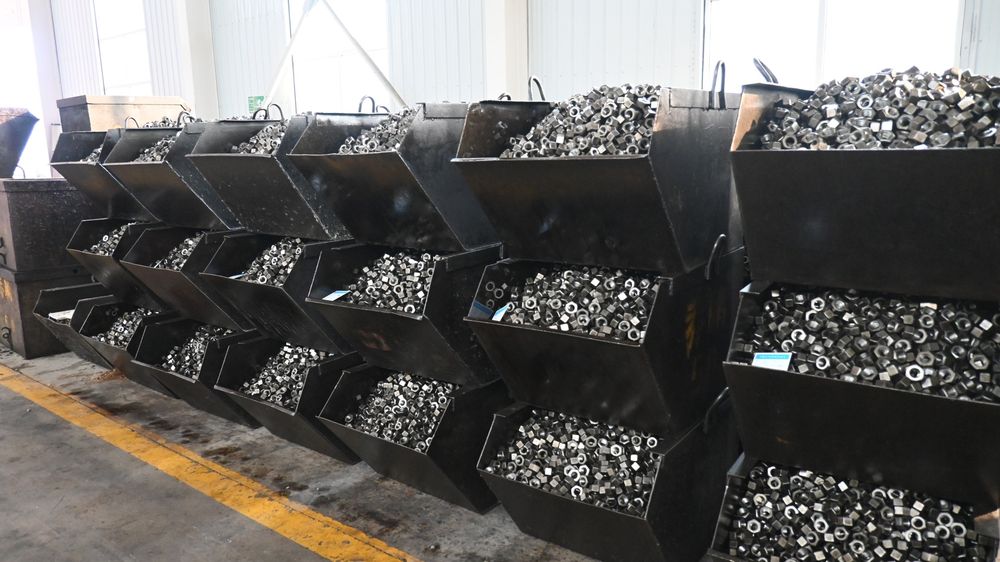
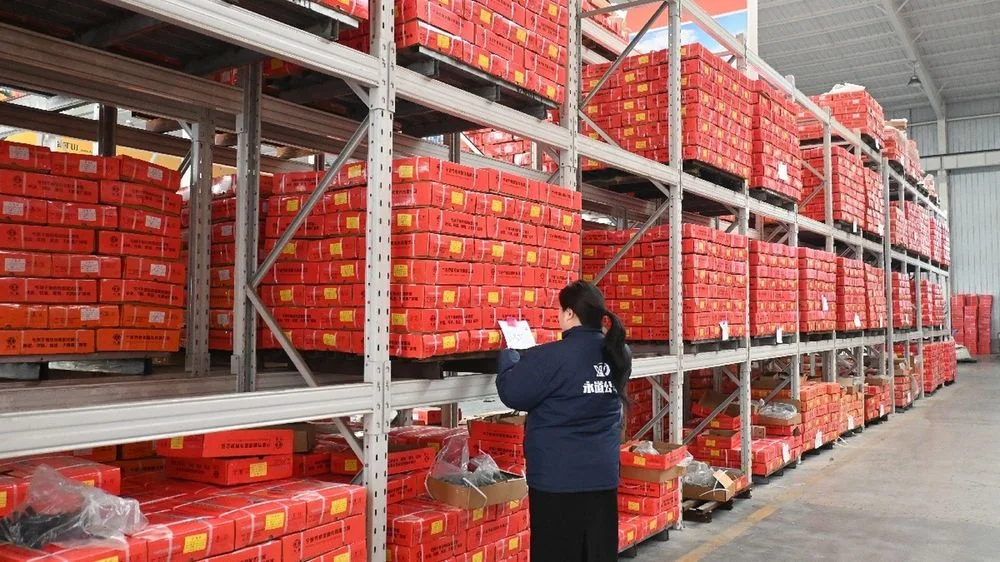
PACKING & DELIVERY
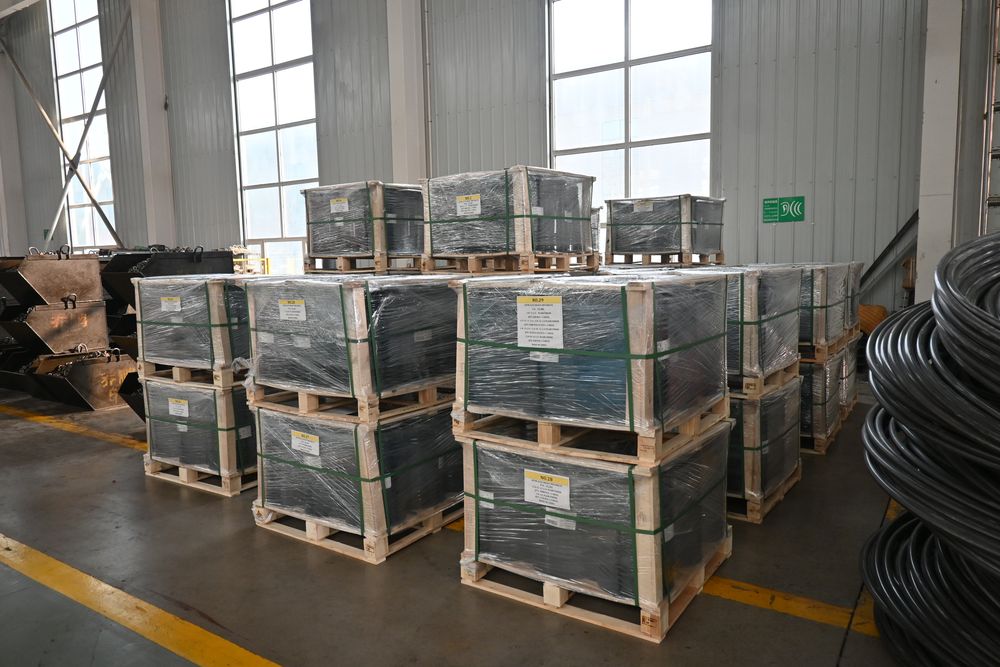
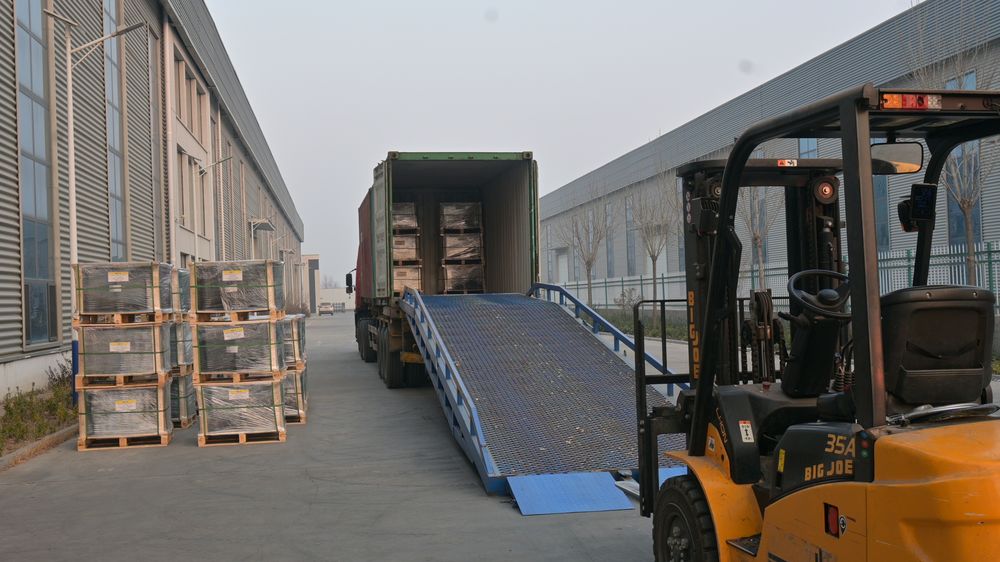
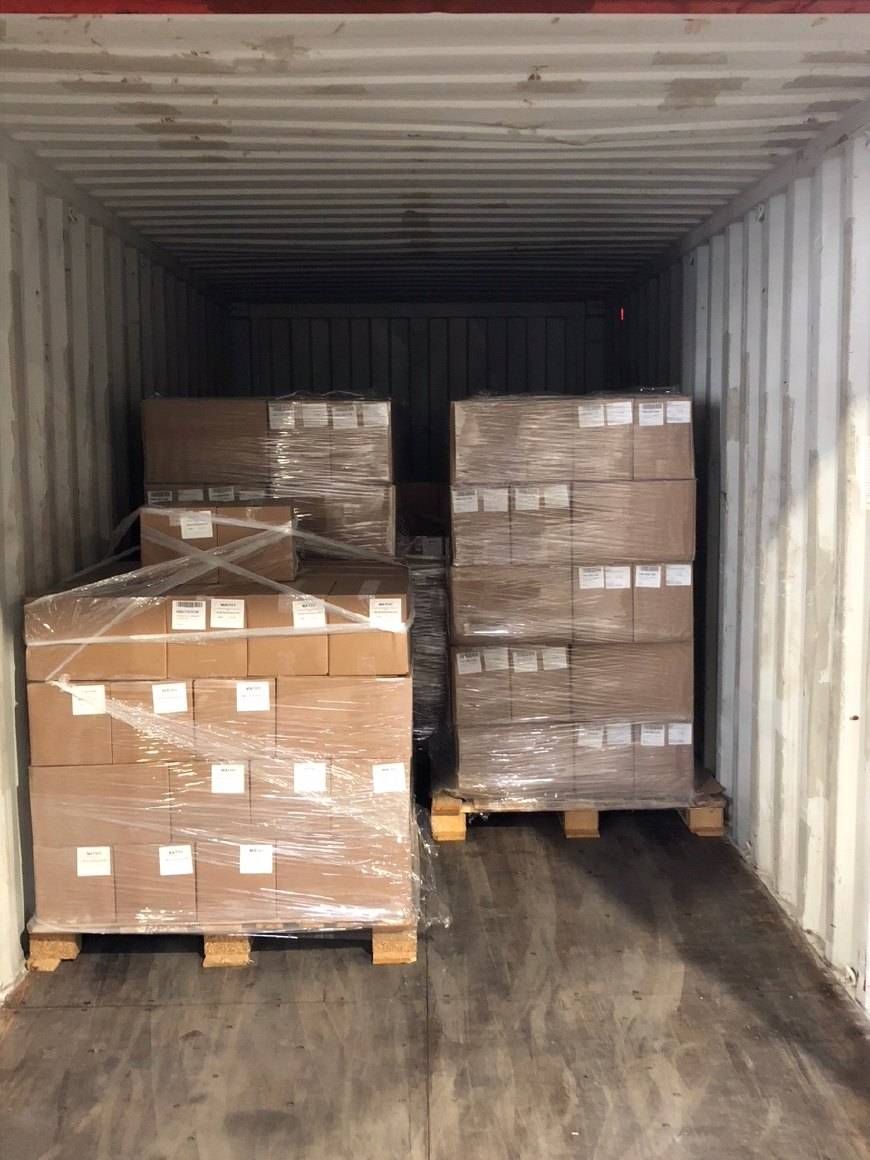
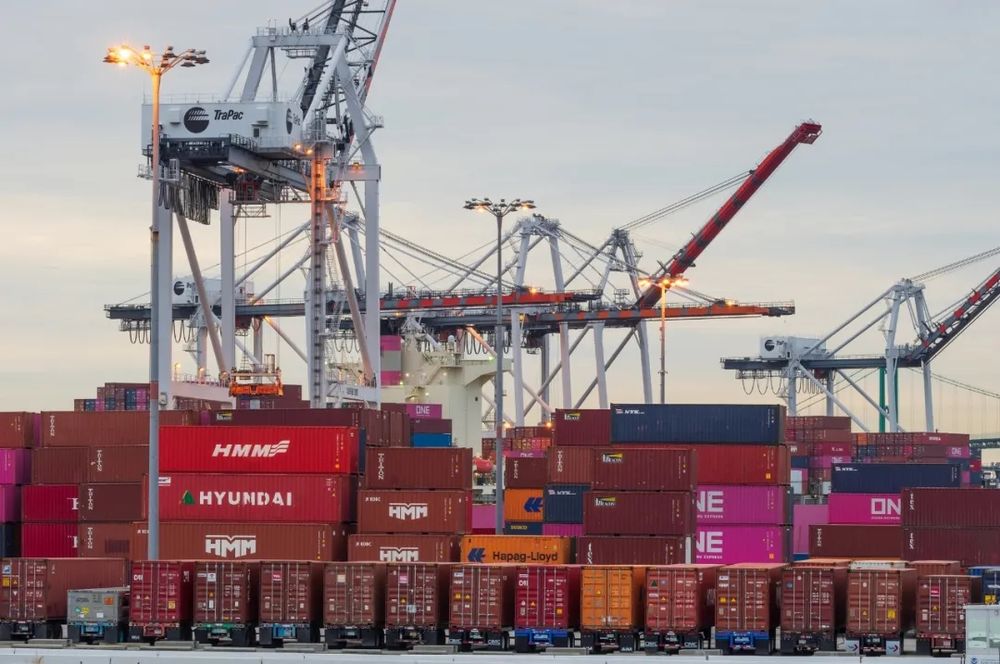
Customized delivery process
Order precautions
Before placing an order, please confirm the required product category with our sales or service staff. Customized products are not eligible for return or exchange; ex-works prices do not include taxes or freight. Every batch is strictly inspected before shipment, and minor imperfections are not considered quality problems. Please check the goods carefully upon receipt and contact us promptly if you have any questions.
- 1Provide custom drawings
- 2Choose material
- 3Get a quotation
- 4Sign the contract
- 5Production
- 6Packing & shipping
- 7Confirm receipt
- 8Order completed
Product inquiry
Related products
Frequently Asked Questions
Common questions about production, customization and orders
Where is zinc-plated suitable compared with hot-dip galvanized?
Zinc plating suits dry interior fixing such as pipe supports, machinery bases and internal steel connections. For outdoor, humid, coastal or intermittently wet service, hot-dip galvanizing or stainless steel should be used because a thin plated layer will not give long-term protection.
How deep must the hole be drilled?
Deep enough that the anchor seats at its specified embedment with the expansion clip fully inside sound concrete, and with sufficient thread remaining above the surface for the nut and washer. Measure with the drill or a depth gauge instead of estimating, since both shallow and deep holes reduce performance.
Should the hole be cleaned before installation?
Yes, always. Dust and debris left in the hole prevent the clip from bearing properly on the concrete wall and act as a cushion, so the expansion is incomplete. Blow out and brush the hole, then insert the anchor without delay.
Can I remove and reuse a wedge anchor?
Removal is possible but the anchor is generally not reusable. Expansion deforms the clip and the concrete around the hole, so a second installation in the same hole will not develop the original grip. Where adjustability or temporary fixing is needed, a different anchor type should be selected.
What happens if the anchor is too close to an edge?
Capacity drops, because the concrete between the anchor and the free edge can break away instead of confining the clip. Minimum edge and spacing distances come from the anchor's design data for the diameter and embedment, and they should be respected rather than adjusted on site.
What is the MOQ and shipping time?
MOQ is 1000 pcs as shown on this page. Stock sizes dispatch in roughly 7 days; made-to-order lengths or coatings typically take 15 to 25 days depending on order quantity.