
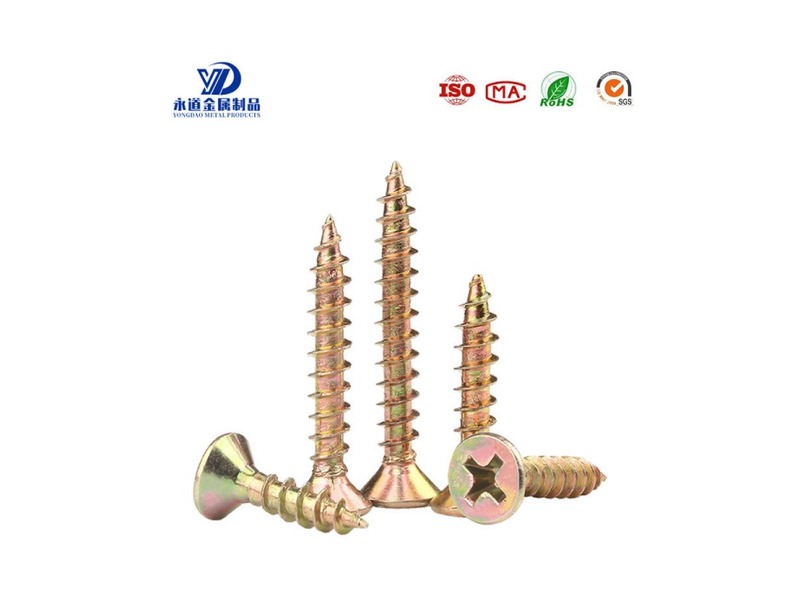
Phillips Drive 1022A High-Strength Chipboard Screw
Cross recess chipboard screw · 1022A carbon steel · case hardened · yellow zinc-plated · thread forming to DIN 7500 for particleboard, MDF and timber assemblies
Product parameters
- Product NamePhillips Drive 1022A High-Strength Chipboard Screw
- CategorySelf-tapping Screw / Chipboard Screw
- BrandYONGDAO METAL
- Surface FinishYellow zinc-plated
- Material1022A Carbon Steel
- Size Range—
- GradeCase hardened
- StandardDIN 7500
- MOQ1000 pcs
- OriginHandan, Hebei, China
Items marked "—" are subject to confirmation by actual inquiry; please contact us by email or phone for detailed specifications and quotations.
Product introduction
This is a thread-forming screw, not a self-drilling one, and the distinction decides where it belongs. A chipboard screw cuts or, more precisely, rolls its own mating thread into the wood-based panel as it is driven, so no nut, insert or pre-tapped hole is needed. The DIN 7500 geometry produces a machine-screw-like thread in the panel rather than the sharp, deep thread of a classic wood screw, which is why it holds better in dense particleboard and MDF and can be removed and refitted several times without the thread stripping out.
The Phillips recess is the reason many assembly lines stay with this version. The cross-shaped recess is designed to cam out, meaning the bit lifts out of the head once a certain torque is reached, and that built-in slip protects both the panel surface and the screw from over-driving. On a clutch-controlled driver the effect is predictable, and operators who fit thousands of screws a day rely on it to avoid crushed board faces. The trade-off is that a worn bit or an off-angle approach chews the recess, so bit replacement discipline matters more than with a deeper drive.
Material choice is 1022A carbon steel with case hardening. The core stays tough enough to resist torsional breakage during driving, while the outer layer is carburised and hardened so the thread can cut into a resin-bonded panel that is abrasive in its own right. This combination is what separates a screw that survives a dense chipboard from one that shears at the shank on the last turn. Case depth and core hardness are checked as part of our routine inspection, because either one out of balance shows up quickly on a production line.
The yellow zinc finish is a practical, decorative and mildly protective coating. It gives the screw a gold tone that suits furniture and interior joinery, and the zinc layer provides short-term resistance to handling moisture and humid workshops. It is not intended for exterior use or for permanently wet conditions, where a different coating or a stainless grade should be selected instead. For interior assembly, cabinet work and flat-pack production, yellow zinc remains the finish buyers ask for most often.
In use, the panel grade drives the settings. Coarse, high-density particleboard needs a slightly larger pilot or a lower clutch setting than soft MDF, and near an edge the screw should be placed far enough in to avoid breakout. Driving two screws close together in the same grain direction concentrates stress, so spacing them apart reduces splitting. Countersunk heads should finish flush or very slightly below the surface, and a sinking head that keeps turning is usually a sign of an oversized pilot hole rather than a screw fault.
Because the thread forms its own mate, chipboard screws are not interchangeable with drywall screws or with machine screws of the same diameter. The panel type, the drive style, the head shape and the coating all need to match the job, and a small trial on the actual board is the quickest way to confirm that the chosen screw, pilot size and clutch setting work together. We supply this screw in bulk cartons with consistent plating and heat treatment from lot to lot so a repeat order assembles the same way as the first.
Packing and handling are worth a moment for anyone running a furniture line. These screws are supplied in bulk cartons, and the plating is thin enough that rough handling in the bin can dull the finish. Keeping cartons closed until the station needs them, and not mixing lots in the same hopper, avoids two things that cause avoidable complaints: inconsistent colour on finished furniture and screws that drive differently because the two lots came from separate heat-treatment batches. Where screws are fed automatically, a quick check of the feed track is worthwhile, because a burr raised in transit will jam a feeder long before it affects hand driving.
Applications
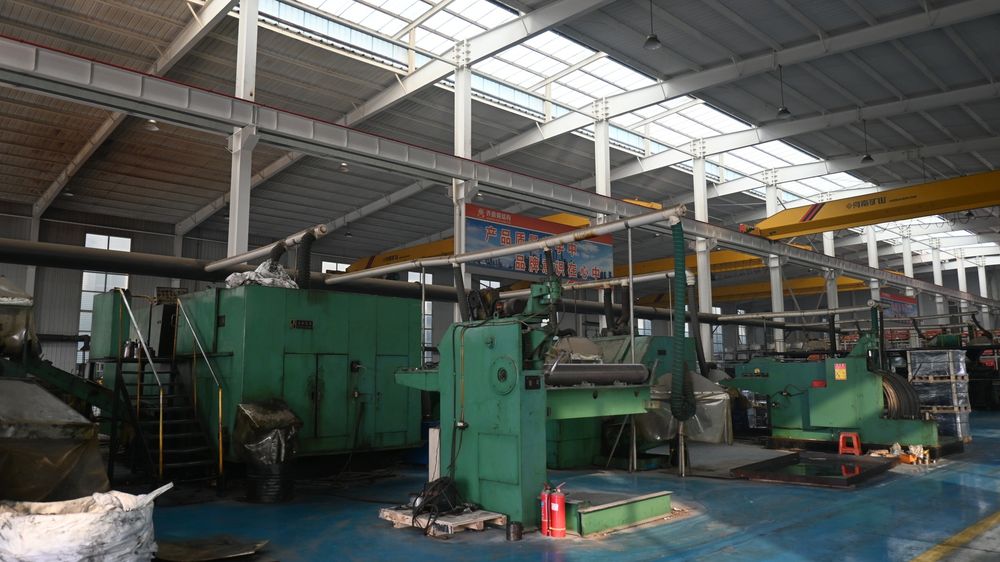
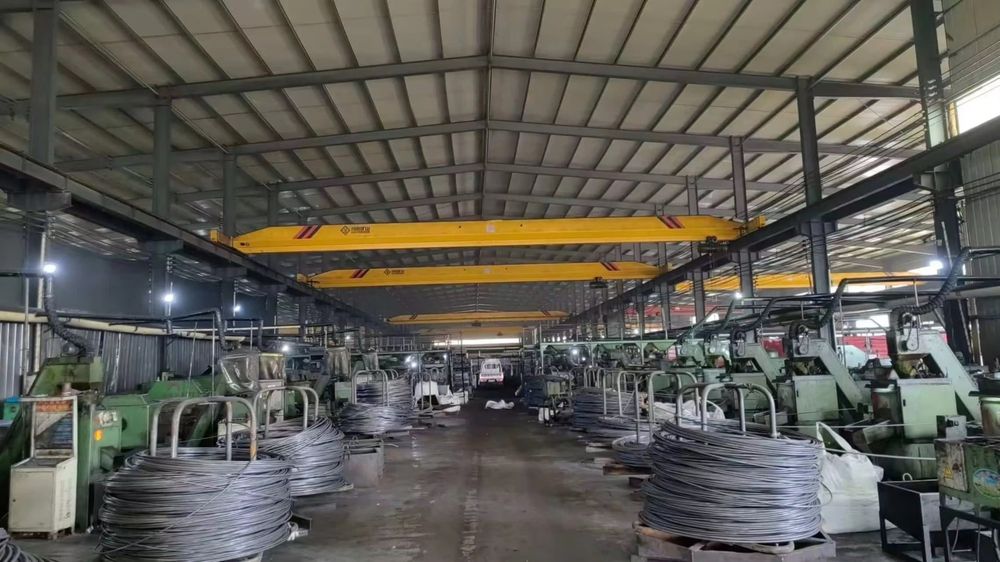
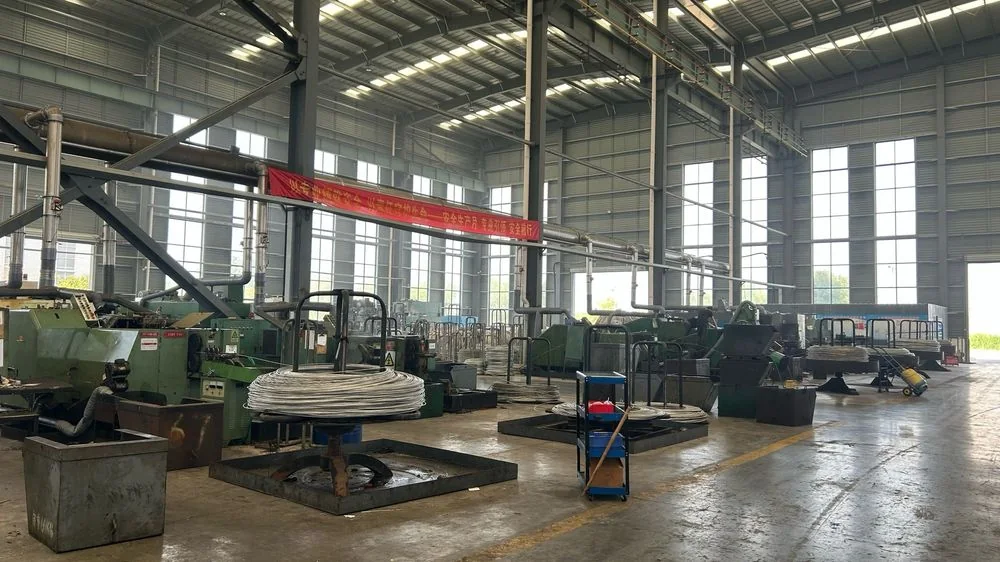
FACTORY TOUR
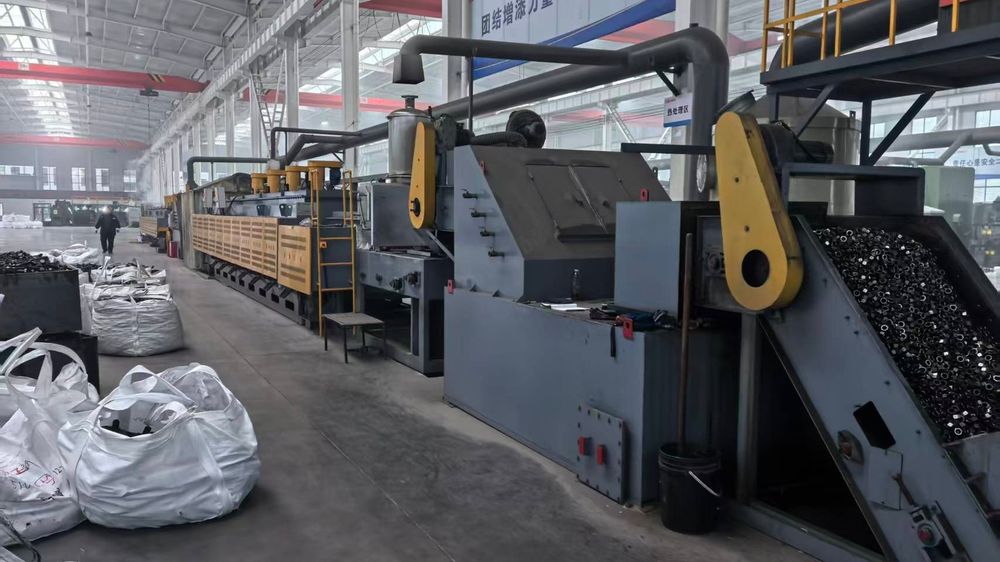
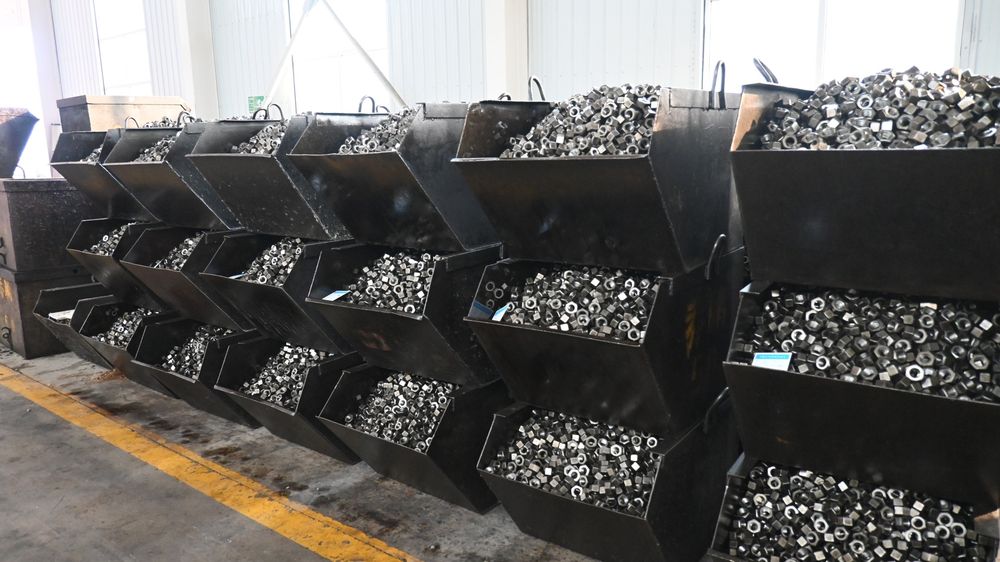
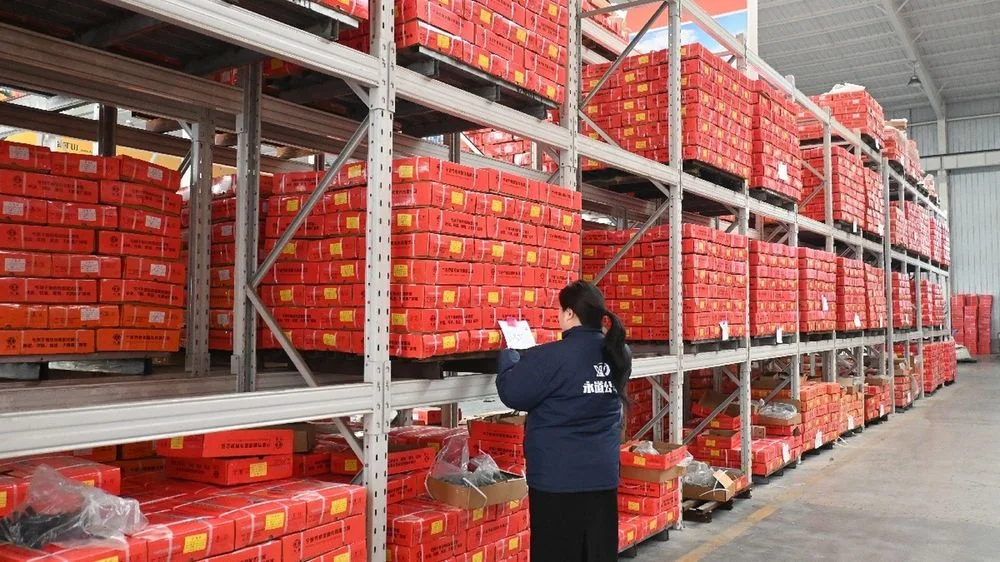
PACKING & DELIVERY
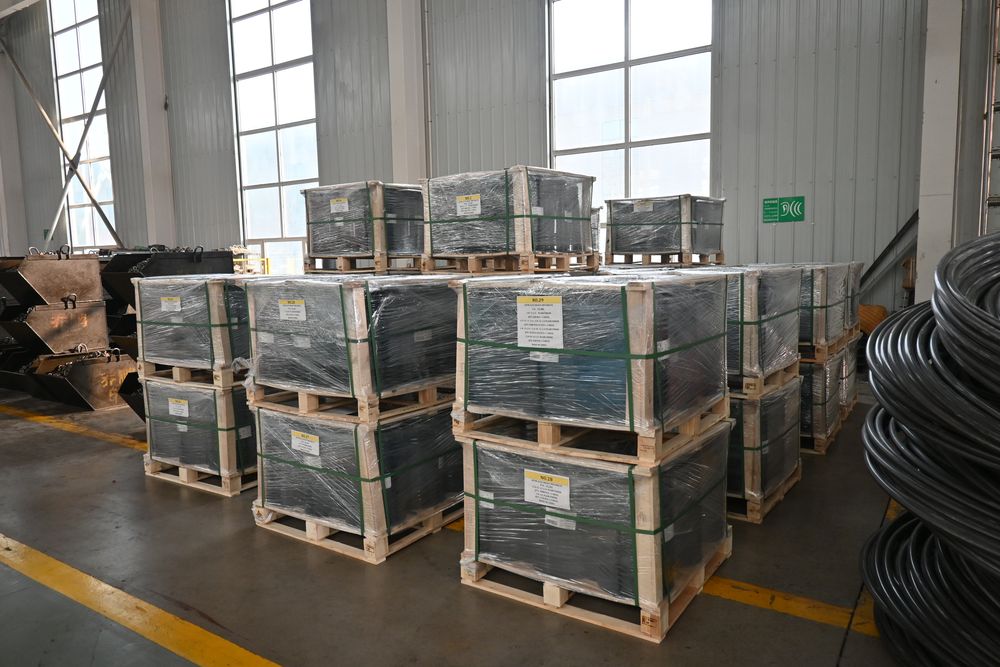

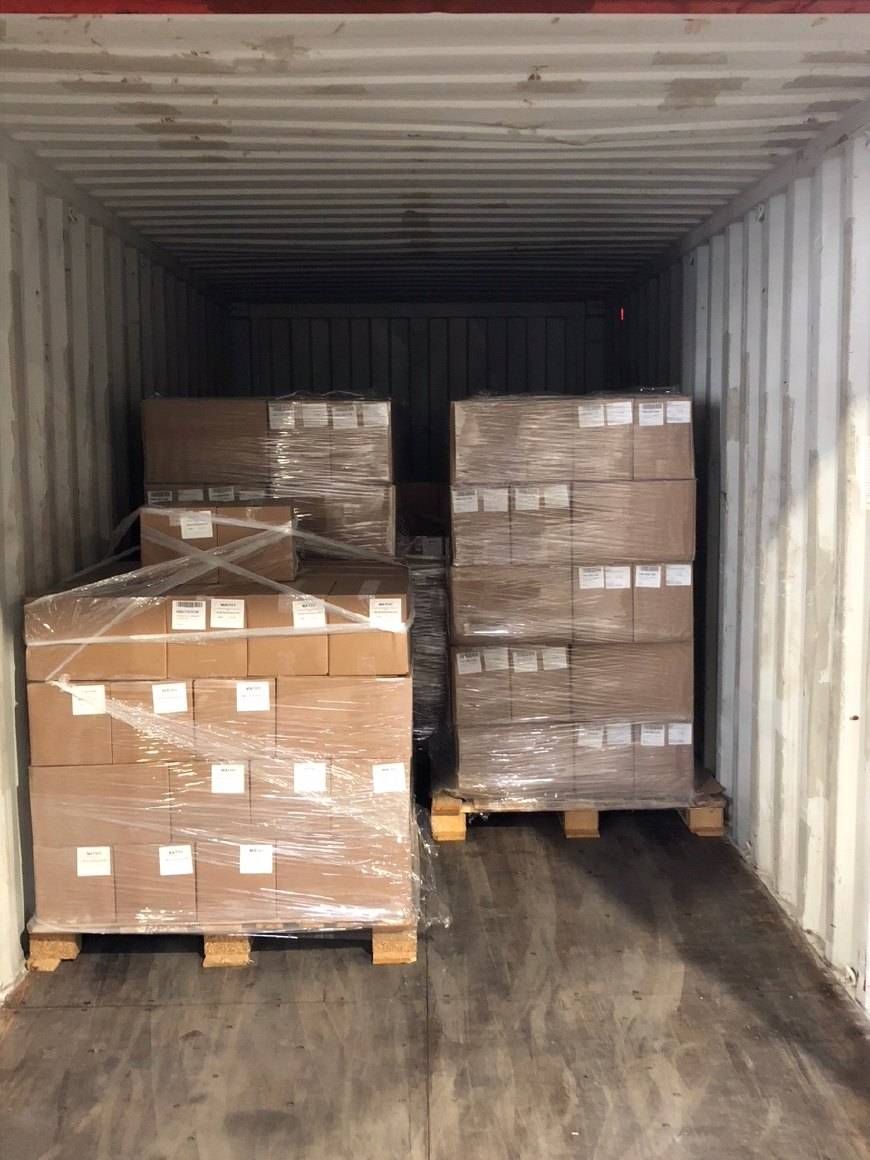

Customized delivery process
Order precautions
Before placing an order, please confirm the required product category with our sales or service staff. Customized products are not eligible for return or exchange; ex-works prices do not include taxes or freight. Every batch is strictly inspected before shipment, and minor imperfections are not considered quality problems. Please check the goods carefully upon receipt and contact us promptly if you have any questions.
- 1Provide custom drawings
- 2Choose material
- 3Get a quotation
- 4Sign the contract
- 5Production
- 6Packing & shipping
- 7Confirm receipt
- 8Order completed
Product inquiry
Related products
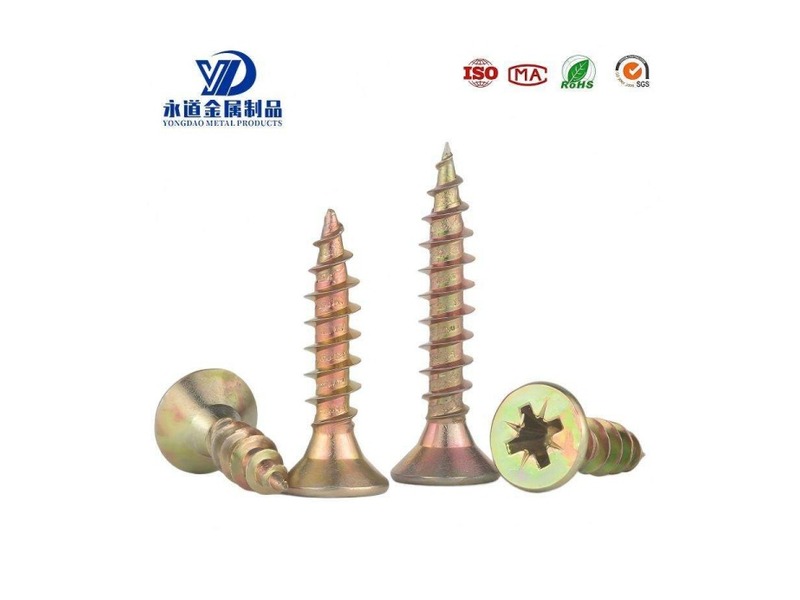 Pozidriv 1022A High-Strength Chipboard Screw
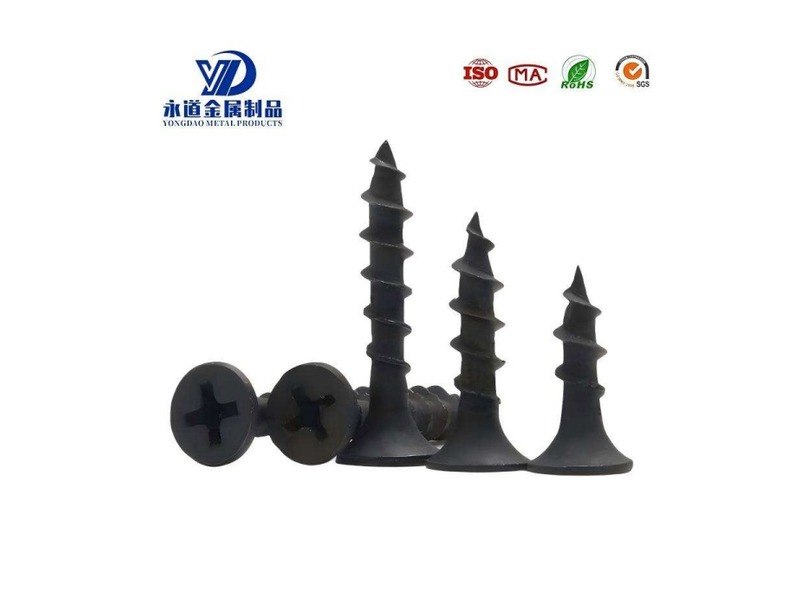 Single-Thread Coarse Pitch Black Phosphate Drywall Screw
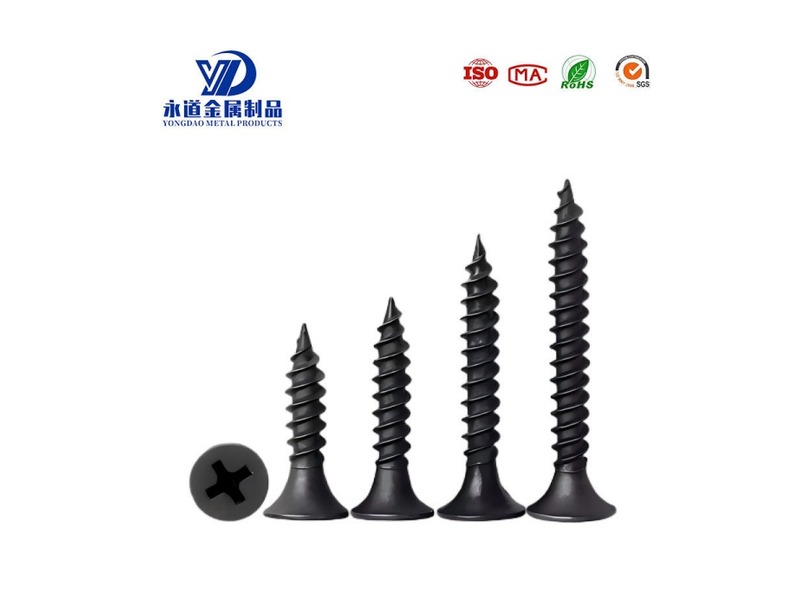 Single-Thread Fine Pitch Black Phosphate Drywall Screw
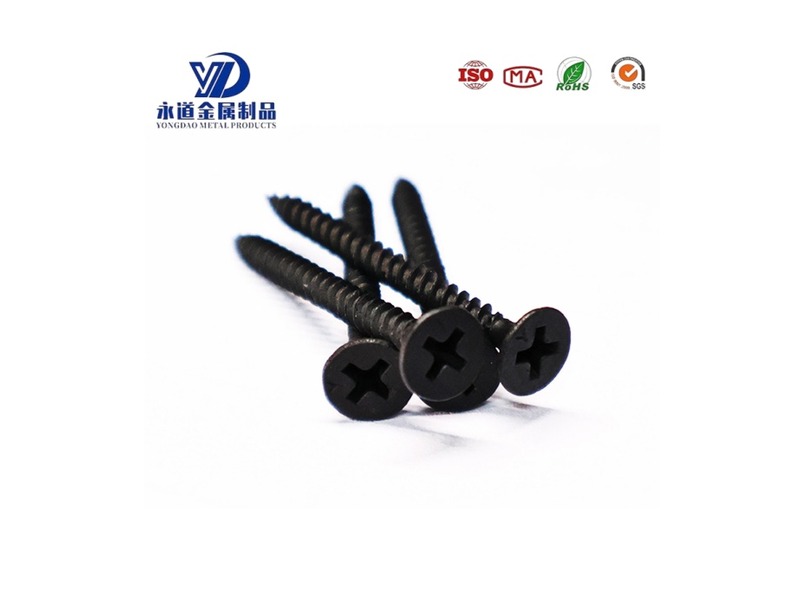 Single-Thread Coarse Pitch Grey Phosphate Drywall Screw
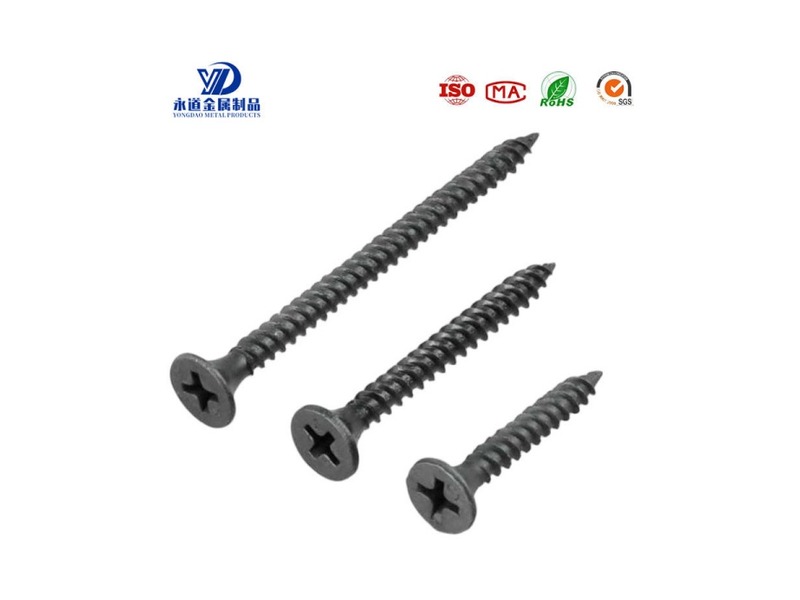 Single-Thread Fine Pitch Grey Phosphate Drywall Screw
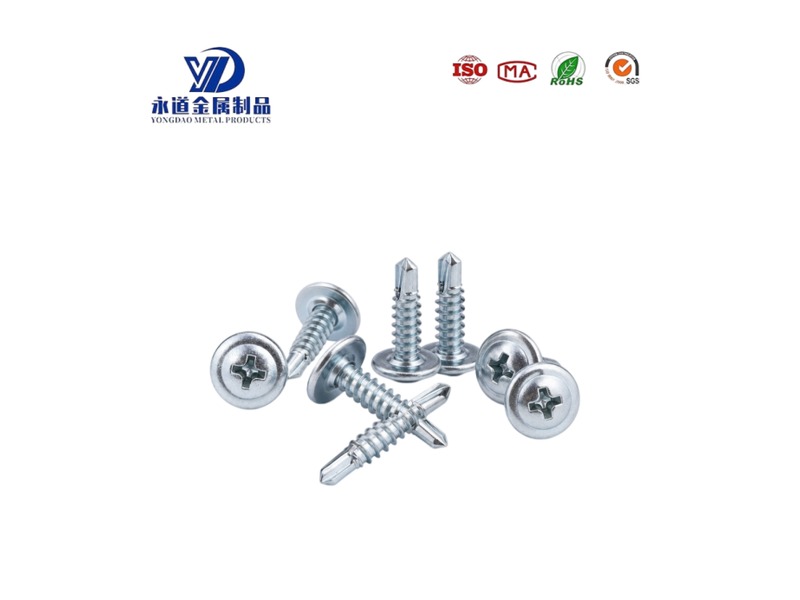 Washer Head Large Truss Head Self-Drilling Screw
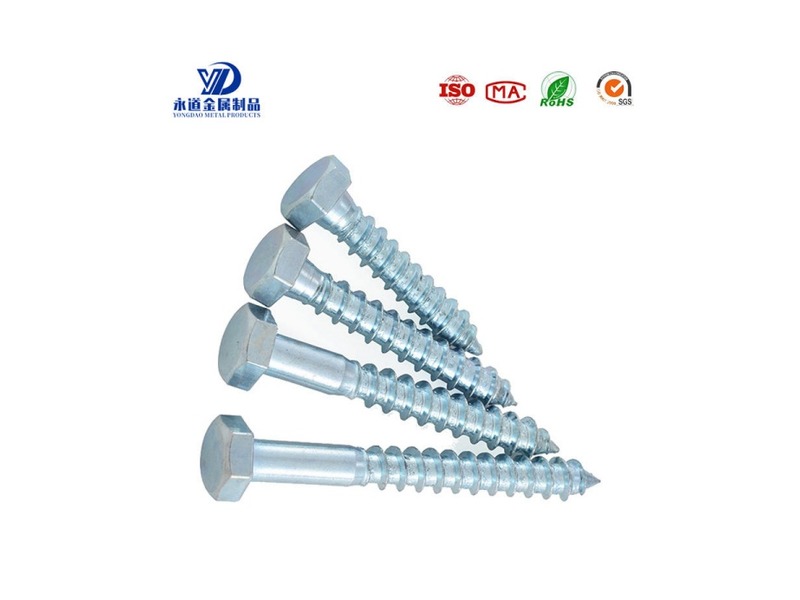 Zinc-Plated Hex Head Self-Tapping Wood Screw
Frequently Asked Questions
Common questions about production, customization and orders
What is the difference between a chipboard screw and a wood screw?
A chipboard screw to DIN 7500 forms a machine-like thread in particleboard or MDF, giving higher and more repeatable hold in resin-bonded panels. A classic wood screw has a sharper, deeper thread intended for solid timber. For dense panels the chipboard screw resists stripping better and can be removed and refitted more often.
Why does the Phillips bit slip out of the head?
That is deliberate cam-out. The cross recess is shaped to release the bit at a set torque so the panel face is not crushed and the screw is not over-driven. Use a sharp bit of the correct size for the recess, keep the driver square to the head, and set the clutch so the bit releases just as the head seats.
Is yellow zinc suitable for outdoor projects?
No. Yellow zinc plating is intended for interior use and gives short-term protection against handling moisture and humid workshops. For exterior joinery, permanent damp or treated timber in service, choose a hot-dip galvanized or stainless alternative instead of relying on a thin zinc layer.
What does 1022A case hardened mean?
The screw is made from 1022A carbon steel and then case hardened: the outer layer is carburised to cut into the panel, while the core stays tough to resist torsional breakage. That balance is what allows the thread to form in abrasive particleboard without the shank shearing during driving.
Do I need a pilot hole in particleboard?
Usually not in standard grades, but a pilot helps in high-density board, near edges and in thin panels. The right approach is a short trial on the actual board: if heads sink too easily or screws strip, adjust the pilot diameter or lower the clutch setting before running the batch.
What is the minimum order quantity and lead time?
The MOQ shown on this page is 1000 pcs, and stock items are dispatched within about 7 days. Production for a specific size, coating or head style typically runs 15 to 25 days depending on quantity and current schedule.