
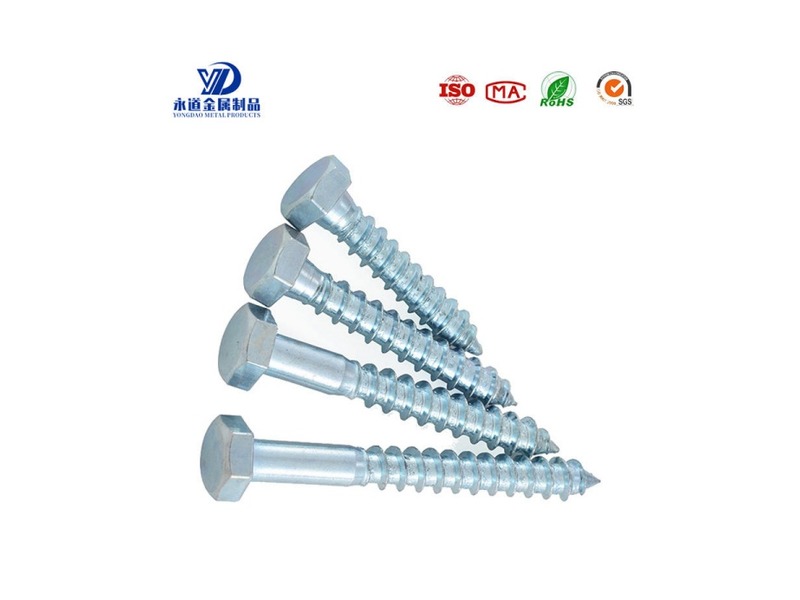
Zinc-Plated Hex Head Self-Tapping Wood Screw
Hex head self-tapping wood screw to DIN 571 · grade 4.8 carbon steel · zinc-plated · wrench-driven high-torque fixing for timber structures and structural connections
Product parameters
- Product NameZinc-Plated Hex Head Self-Tapping Wood Screw
- CategorySelf-tapping Screw / Wood Screw
- BrandYONGDAO METAL
- Surface FinishZinc-plated
- MaterialCarbon Steel
- Size Range—
- GradeGrade 4.8
- StandardDIN 571
- MOQ1000 pcs
- OriginHandan, Hebei, China
Items marked "—" are subject to confirmation by actual inquiry; please contact us by email or phone for detailed specifications and quotations.
Product introduction
The DIN 571 hex head wood screw is the heavy member of the wood screw family. Instead of a recessed drive, it has a hexagonal head turned with a wrench or socket, which allows far higher torque to be applied than any cross recess can transmit. That single change is why this screw is used where timber sections are large, where joints must be pulled up tight, and where a recessed drive would round out before the required clamping force is reached.
The thread is a traditional wood screw thread: relatively deep and sharp, designed to cut into solid timber rather than to form a machine thread in a panel. It generates strong withdrawal resistance in softwood and hardwood, and the shank is typically unthreaded near the head so the two members can be drawn together before the thread bites. Correct piloting matters more here than with small screws, because a large diameter screw driven without a pilot into hardwood will split the timber regardless of how good the screw is.
Grade 4.8 carbon steel is the property class specified for this screw. It gives a defined minimum tensile strength and a ductility that allows the shank to yield rather than snap when high torque is applied, which is the behaviour wanted in timber connections that move slightly with moisture. The property class is a material designation, not a load rating for a particular joint: joint capacity depends on diameter, embedment, timber species and edge distances, and should be taken from the project's design values.
Zinc plating provides a bright finish and a protective layer that suits interior and sheltered structural work, including general hardware assembly and door, window and curtain wall fixing. It is not intended for prolonged exterior exposure or for treated timber in wet service, where hot-dip galvanizing or stainless steel should be specified. The plating is thin enough that thread form is unchanged, so driving torque stays predictable between lots.
In structural use, the details decide performance: pre-drill to the correct diameter for the species, keep to specified edge and end distances, drive square to the grain where possible and avoid Groups of screws spaced so closely that the timber between them splits. Where a connection needs to resist withdrawal and shear together, the screw pattern should follow the design rather than be improvised on site. A washer under the head is often added to spread bearing pressure in softer timber.
Because hex head wood screws are frequently bought for structural and semi-structural packages, buyers care about thread form and property class consistency between deliveries. A change in core hardness alters the torque an installer can apply before the head shears, which becomes visible only on site. We keep grade, thread geometry and plating inside defined limits and inspect them routinely, with stock sizes dispatched in about a week.
For structural timber work, one further detail is often overlooked: the unthreaded shank. Where the screw passes through the first member and threads only into the second, the joint is drawn tight as the head seats, which is the intended behaviour. If the thread extends across the interface, the two members are held apart by the thread and the connection never closes properly. Specifying the right length so the thread starts in the receiving member is therefore part of the design, not a matter of convenience, and it is worth checking on the first few fixings of any batch.
Applications
FACTORY TOUR
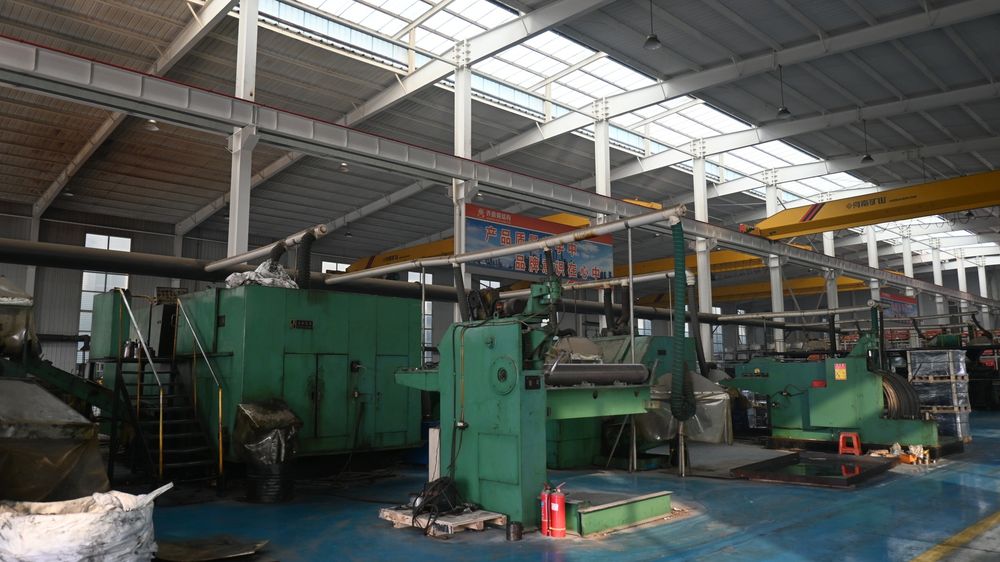
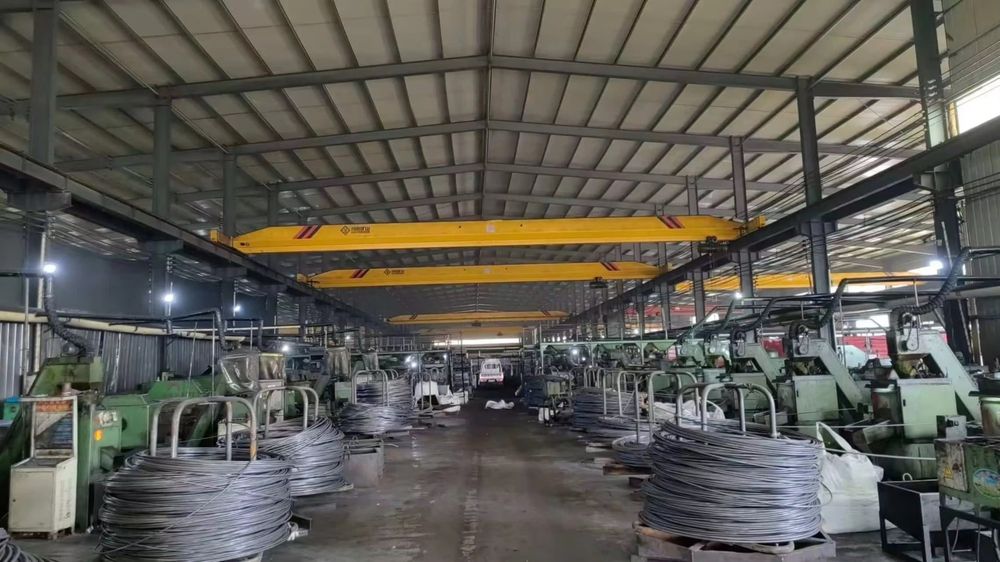
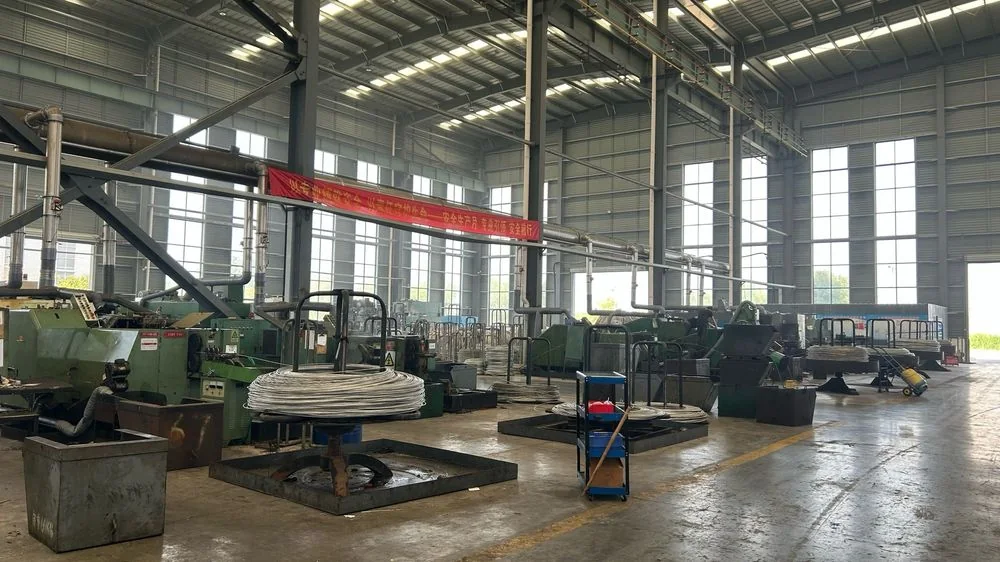
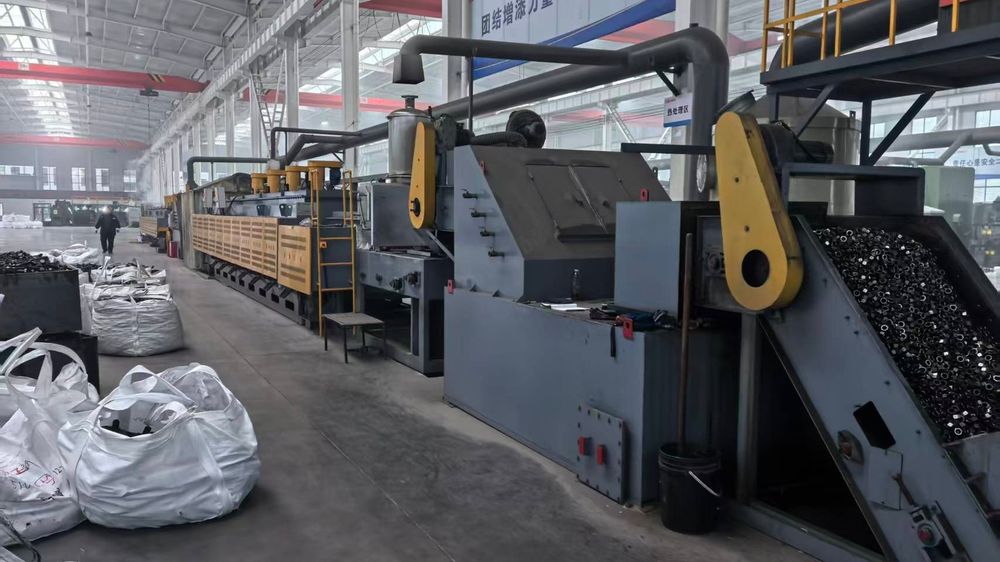
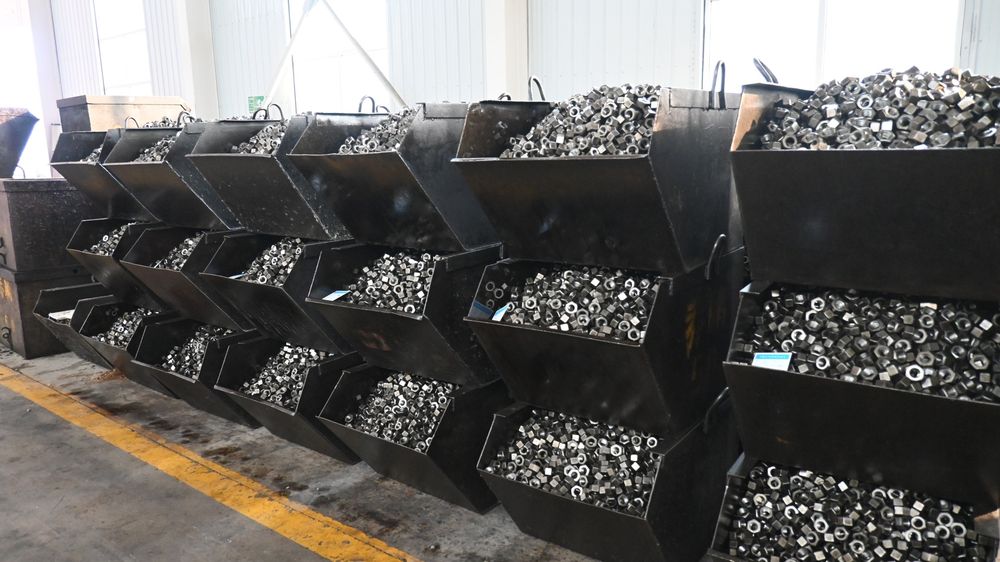

PACKING & DELIVERY
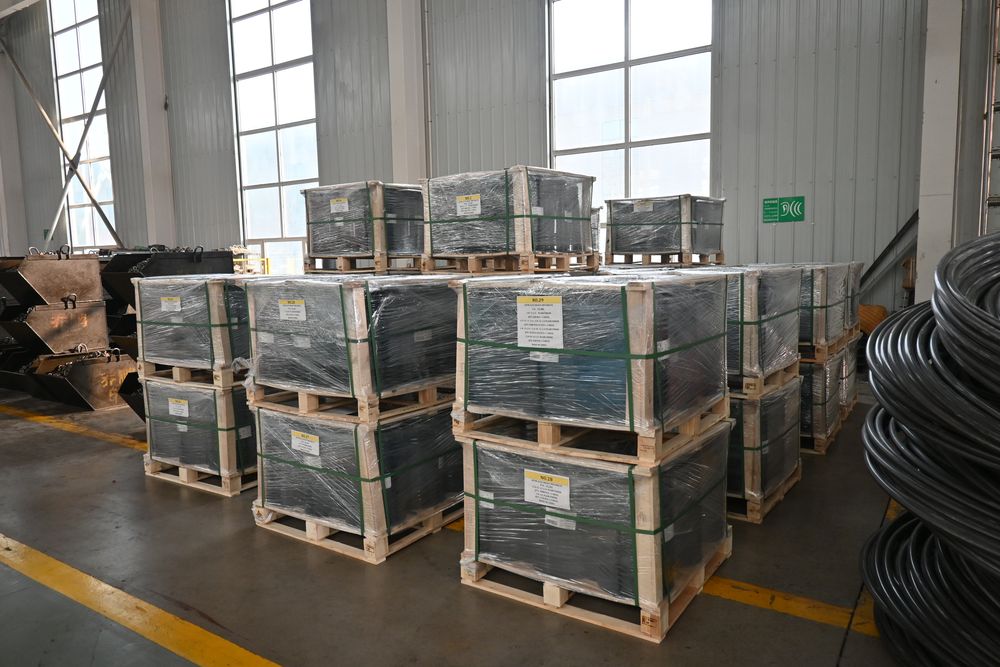

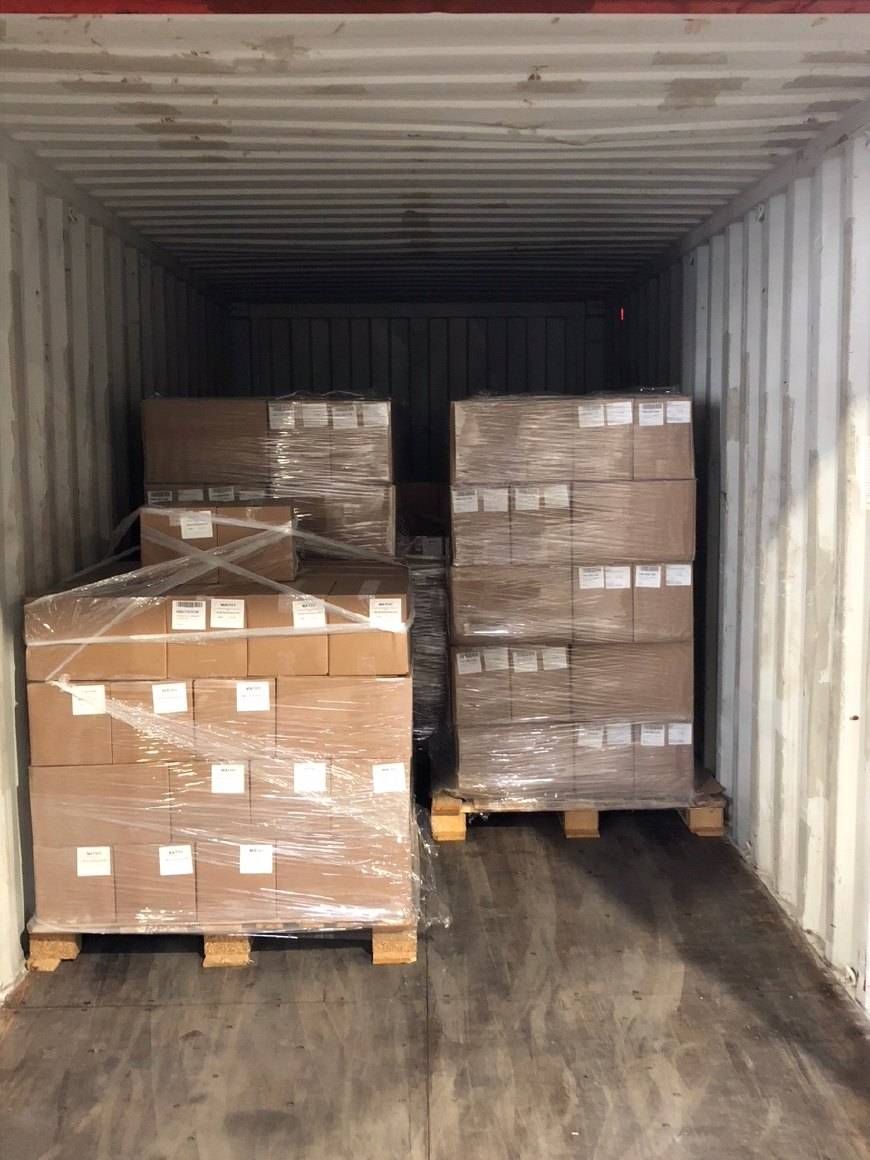

Customized delivery process
Order precautions
Before placing an order, please confirm the required product category with our sales or service staff. Customized products are not eligible for return or exchange; ex-works prices do not include taxes or freight. Every batch is strictly inspected before shipment, and minor imperfections are not considered quality problems. Please check the goods carefully upon receipt and contact us promptly if you have any questions.
- 1Provide custom drawings
- 2Choose material
- 3Get a quotation
- 4Sign the contract
- 5Production
- 6Packing & shipping
- 7Confirm receipt
- 8Order completed
Product inquiry
Related products
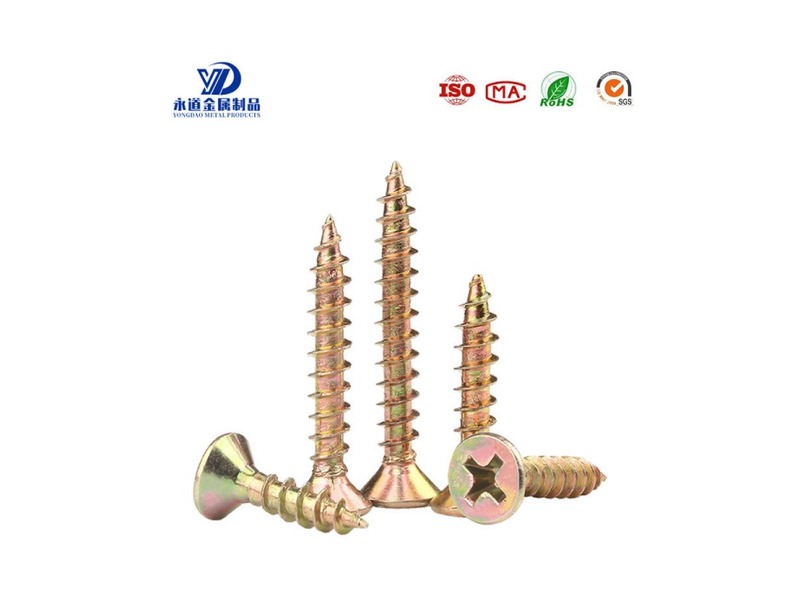 Phillips Drive 1022A High-Strength Chipboard Screw
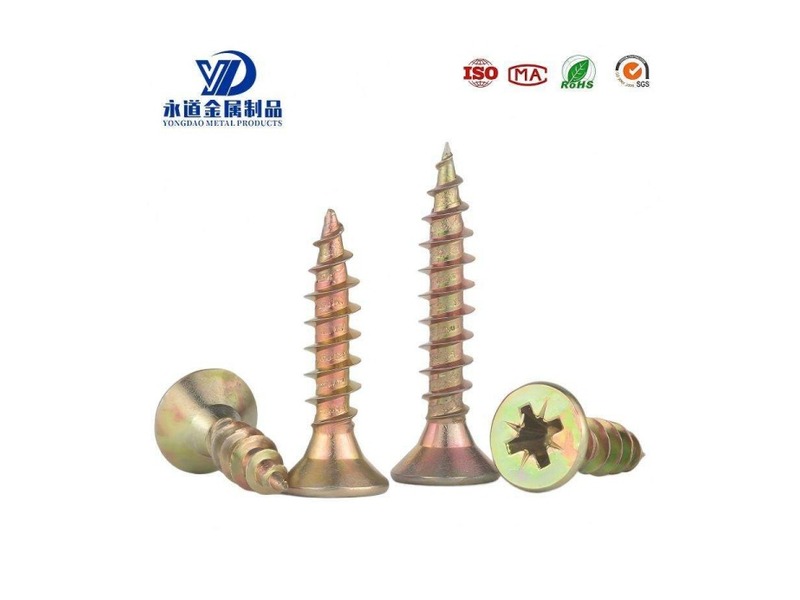 Pozidriv 1022A High-Strength Chipboard Screw
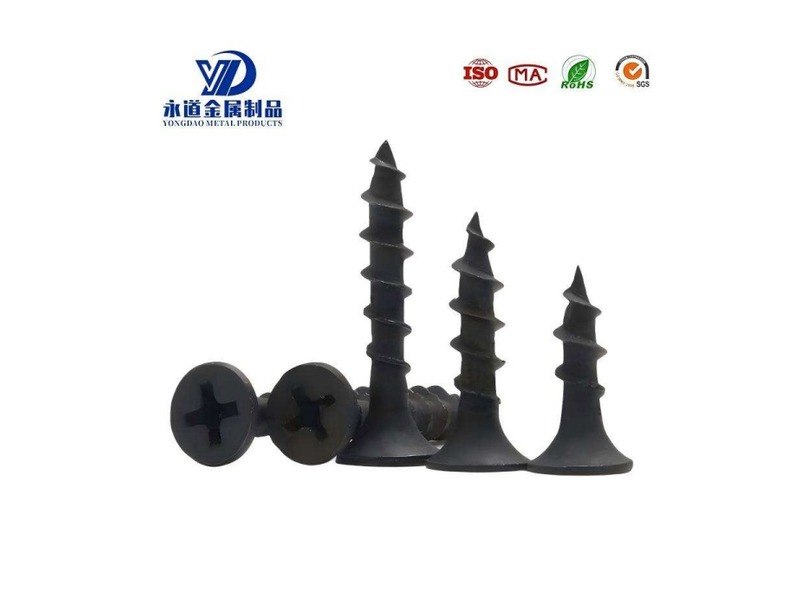 Single-Thread Coarse Pitch Black Phosphate Drywall Screw
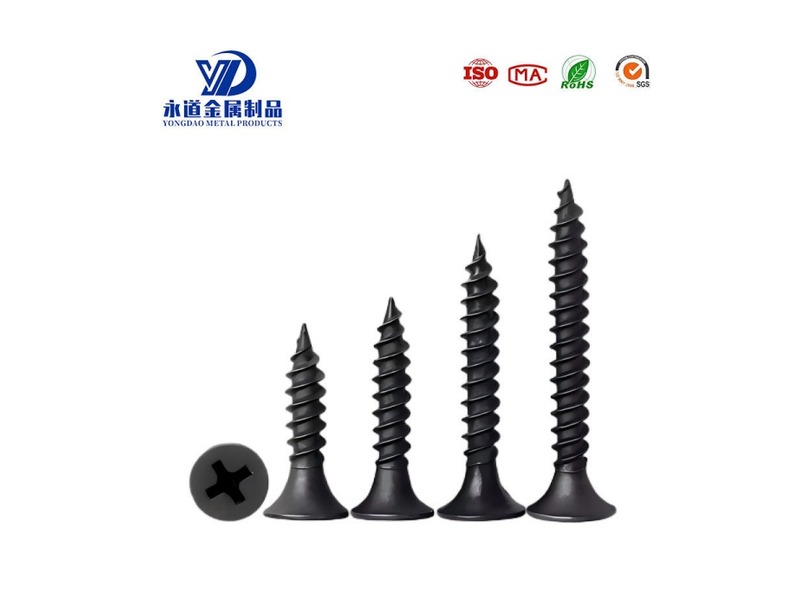 Single-Thread Fine Pitch Black Phosphate Drywall Screw
 Single-Thread Coarse Pitch Grey Phosphate Drywall Screw
 Single-Thread Fine Pitch Grey Phosphate Drywall Screw
 Washer Head Large Truss Head Self-Drilling Screw
Frequently Asked Questions
Common questions about production, customization and orders
Why a hex head instead of a countersunk wood screw?
A hex head can be driven with a wrench or socket and takes far more torque than a cross recess without rounding out. That makes it suitable for large timber sections and joints that must be pulled up tight, where a recessed drive would fail before reaching the required clamping force.
Do hex head wood screws need pilot holes?
Yes in most structural timber, and always in hardwood. The pilot diameter should suit the screw and the species; too small splits the timber, too large reduces withdrawal resistance. Pre-drilling also keeps the screw aligned and prevents the head from tearing into the surface.
What does grade 4.8 mean here?
It is the property class of the steel, defining minimum tensile strength and ductility. It is a material designation, not a capacity figure for a specific joint: actual performance depends on diameter, embedment depth, timber species and edge distances, which should come from project design values.
Is zinc plating suitable for treated timber outdoors?
Not for long-term exterior use. Zinc plating suits interior and sheltered work; treated timber in wet or exposed service calls for hot-dip galvanized or stainless fasteners. Aggressive timber treatments in particular can attack a thin zinc layer faster than expected.
Should I use a washer under the head?
In softer timber a washer spreads bearing pressure and reduces crushing under the head, which helps maintain clamping force over time. Where the design specifies a washer, fit it; where it does not, adding one changes the bearing area and should be agreed rather than assumed.
What is the MOQ and lead time?
MOQ is 1000 pcs as listed on this page. Stock sizes ship within about 7 days; orders with specific lengths, coatings or property classes are typically produced in 15 to 25 days.