
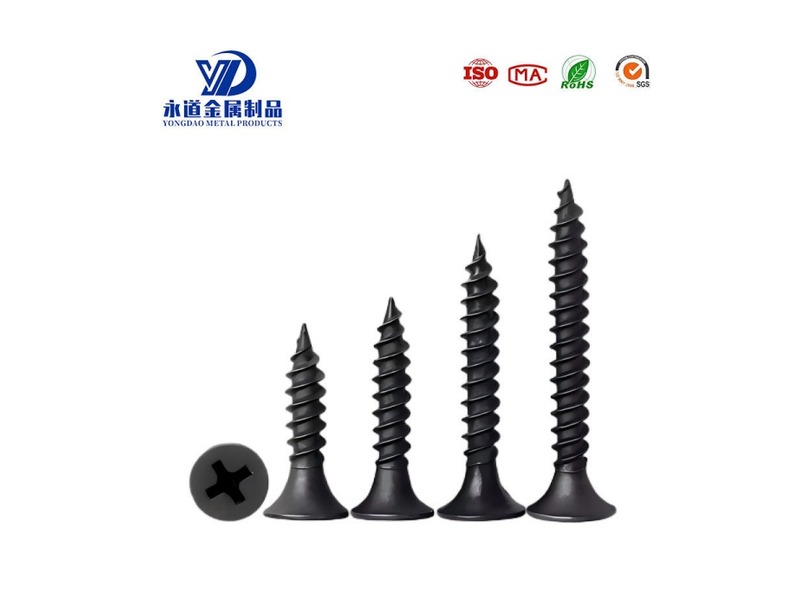
Single-Thread Fine Pitch Black Phosphate Drywall Screw
Cross recess drywall screw · single fine thread · black phosphate · case hardened carbon steel · for thin plasterboard and metal stud framing
Product parameters
- Product NameSingle-Thread Fine Pitch Black Phosphate Drywall Screw
- CategorySelf-tapping Screw / Drywall Screw
- BrandYONGDAO METAL
- Surface FinishBlack phosphate
- MaterialCarbon Steel
- Size Range—
- GradeCase hardened
- StandardDIN 18182
- MOQ1000 pcs
- OriginHandan, Hebei, China
Items marked "—" are subject to confirmation by actual inquiry; please contact us by email or phone for detailed specifications and quotations.
Product introduction
This is the fine-thread member of the drywall screw family, and its purpose is precision rather than speed. A fine pitch advances less per turn, so the head approaches the board gradually and the operator has more control over setting depth. In thin plasterboard, where a coarse thread can pull the head through the paper before the clutch reacts, that finer control is what keeps the face intact and the joint fillable.
Fine thread also suits metal studs. The closer pitch keeps more thread turns engaged in the thin steel section, spreading the load over a larger area of the stud rather than concentrating it on two or three coarse turns. That reduces the chance of the screw stripping the stud, a failure that is invisible once the board is up and only appears later as a loose panel or a cracked joint line.
The screw body is case hardened carbon steel: a hard point and thread to pierce paper and gypsum cleanly, and a ductile core to absorb the torque of a powered driver. The cross recess limits torque by design, releasing the bit once the head is seated, which is the simplest protection against a crushed board face. Consistency of head geometry matters here more than in many other products, because every head leaves a visible dimple that has to be filled and sanded.
Black phosphate is a conversion coating with a light oil film. It keeps the thread geometry exactly as formed, since it adds no measurable thickness, and it gives modest protection for interior work in dry or normally heated buildings. It is not a wet-area or exterior finish. Where boards are fixed in bathrooms, plant rooms or semi-exposed structures, the coating should be reconsidered at specification stage rather than after the boards are up.
Practical installation follows the same rules as any drywall screw, with tighter tolerances. Drive square to the board, keep the clutch setting low enough that the head dimples rather than tears, and maintain the specified spacing and edge distance. In multi-layer build-ups, the second layer is often fixed with a longer screw of the same fine thread so it engages the stud rather than only the first board, which is a frequent source of loose panels in double-layer systems.
For a buyer, the value of a consistent fine-thread screw is that the whole job looks the same: uniform dimples, no torn paper, no proud heads, and joints that fill cleanly in one pass. We keep phosphate coating, case depth and recess geometry within a defined band and inspect them routinely, so a repeat order sets identically to the batch it replaces. Bulk cartons and collated strips are both available from stock.
Collation and tooling interact with thread choice more than buyers expect. Auto-feed tools are set up for a specific screw length and head style, and a change of thread pitch alters how the screw advances under fixed torque, so a strip that worked with a coarse thread may set differently with a fine one. When switching a crew from coarse to fine thread for a thin-board job, worth resetting the depth nose on the tool rather than assuming the previous setting carries over. That single adjustment prevents a whole ceiling of torn paper.
Applications
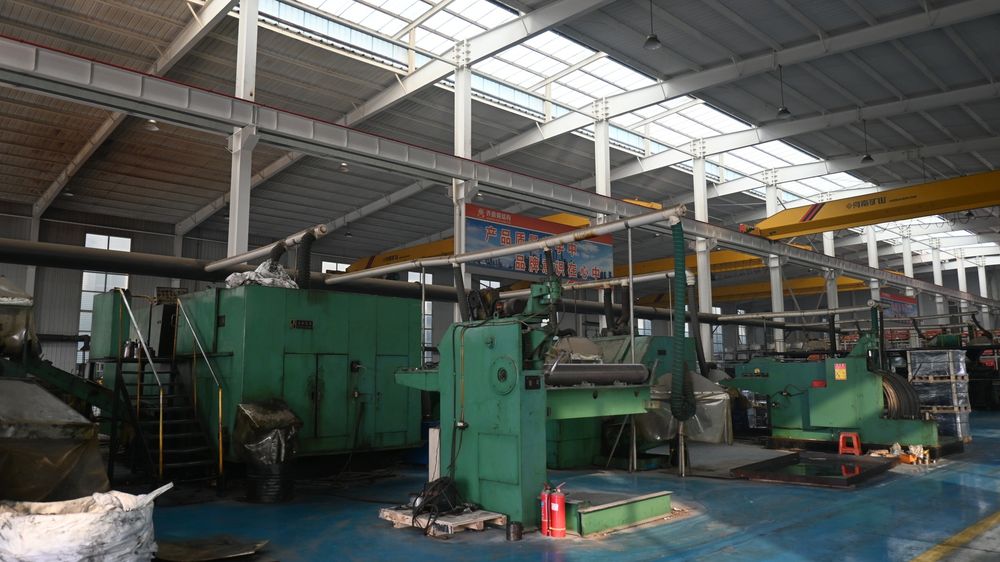
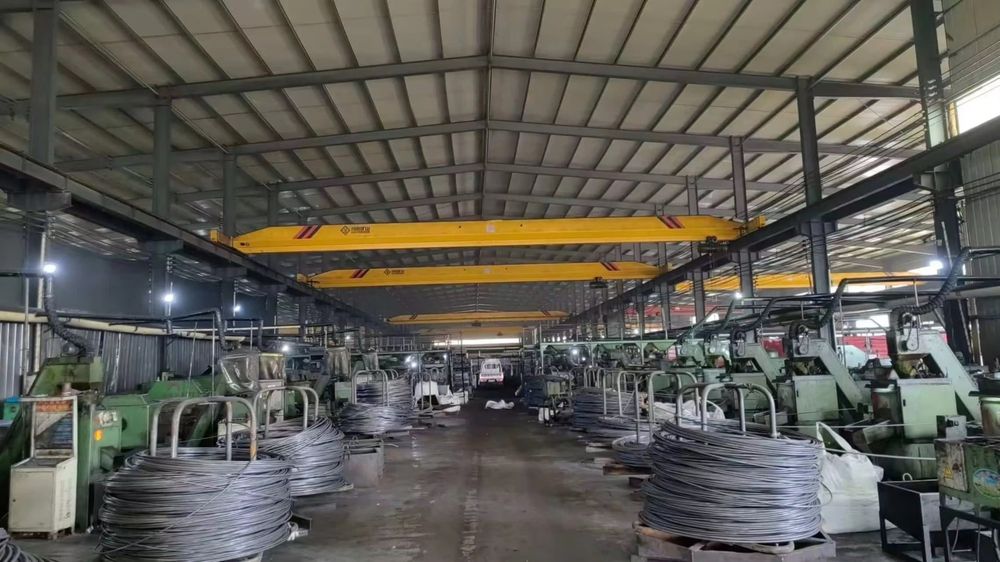
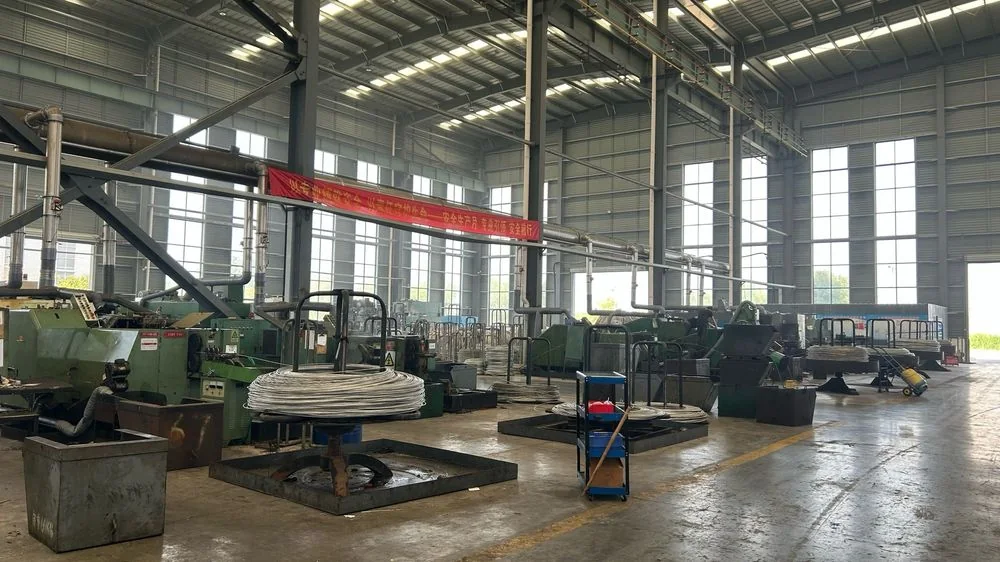
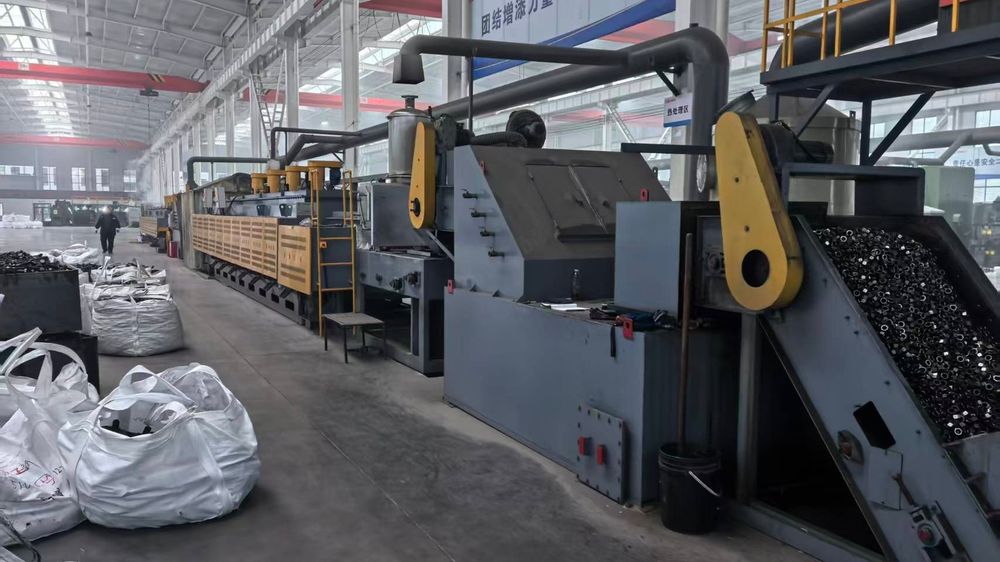
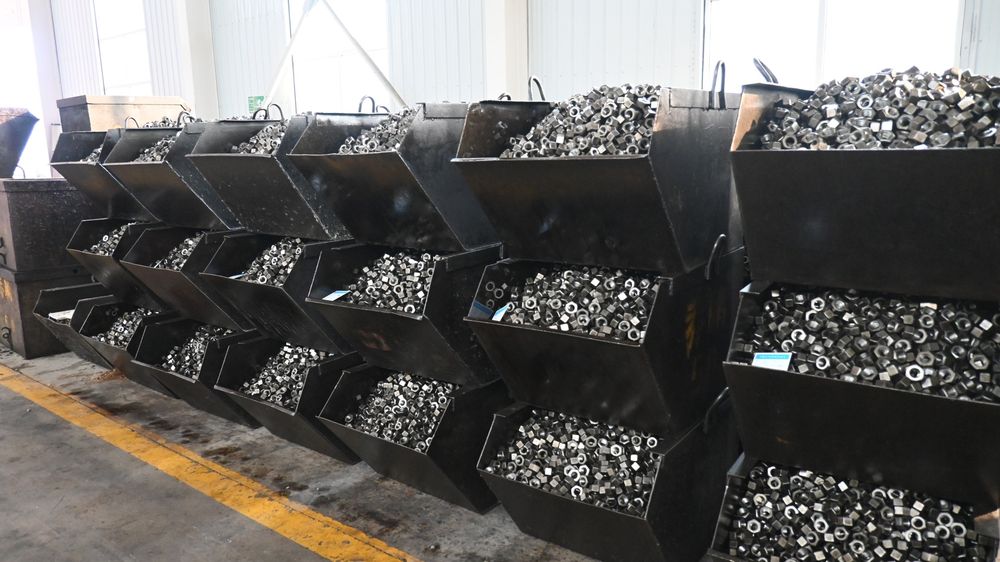
FACTORY TOUR

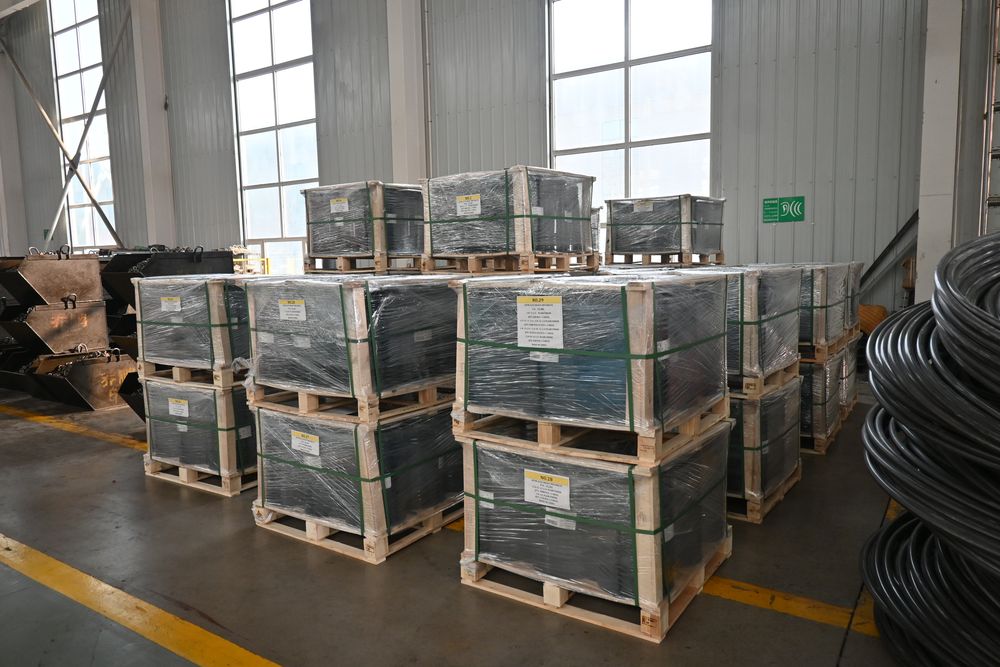
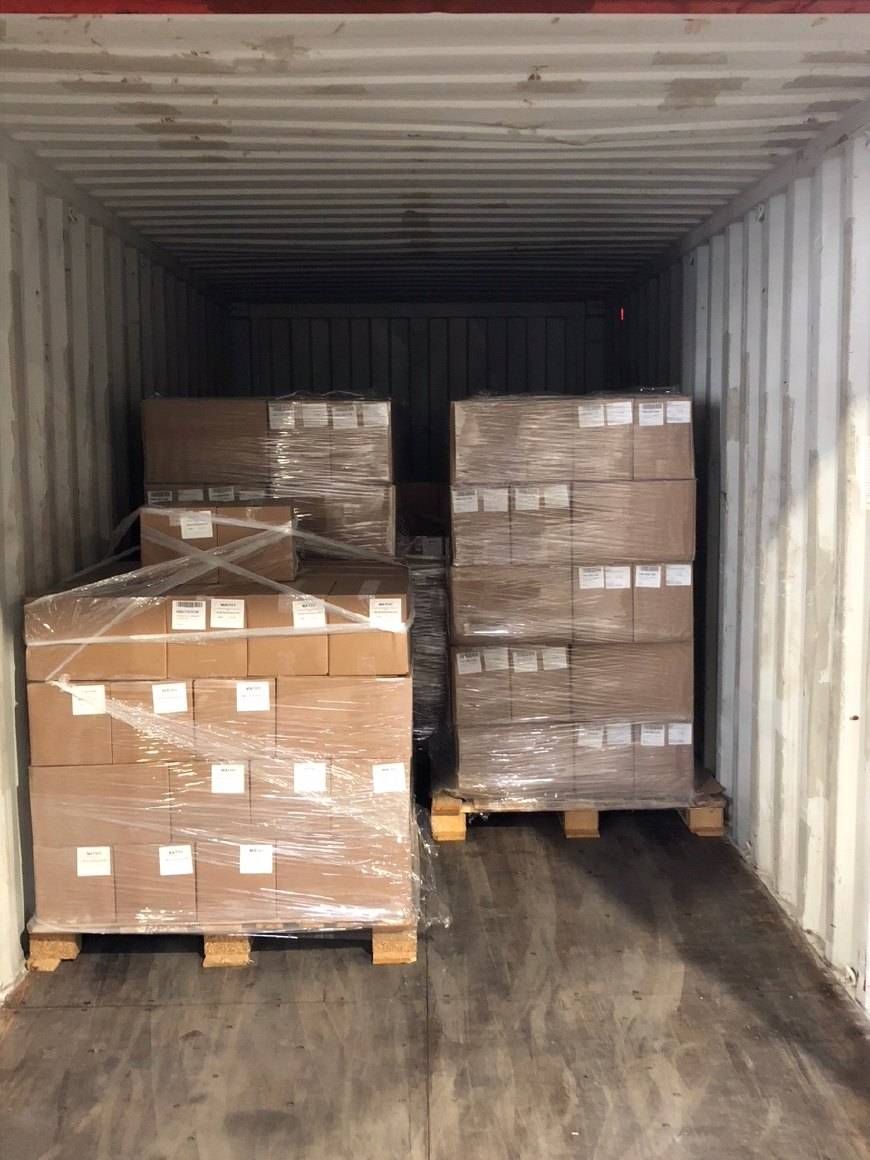
PACKING & DELIVERY


Customized delivery process
Order precautions
Before placing an order, please confirm the required product category with our sales or service staff. Customized products are not eligible for return or exchange; ex-works prices do not include taxes or freight. Every batch is strictly inspected before shipment, and minor imperfections are not considered quality problems. Please check the goods carefully upon receipt and contact us promptly if you have any questions.
- 1Provide custom drawings
- 2Choose material
- 3Get a quotation
- 4Sign the contract
- 5Production
- 6Packing & shipping
- 7Confirm receipt
- 8Order completed
Product inquiry
Related products
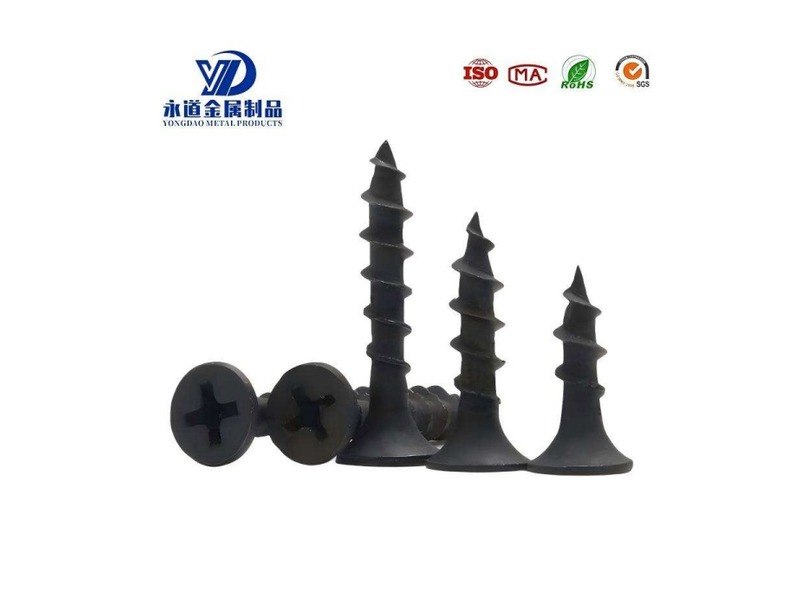 Single-Thread Coarse Pitch Black Phosphate Drywall Screw
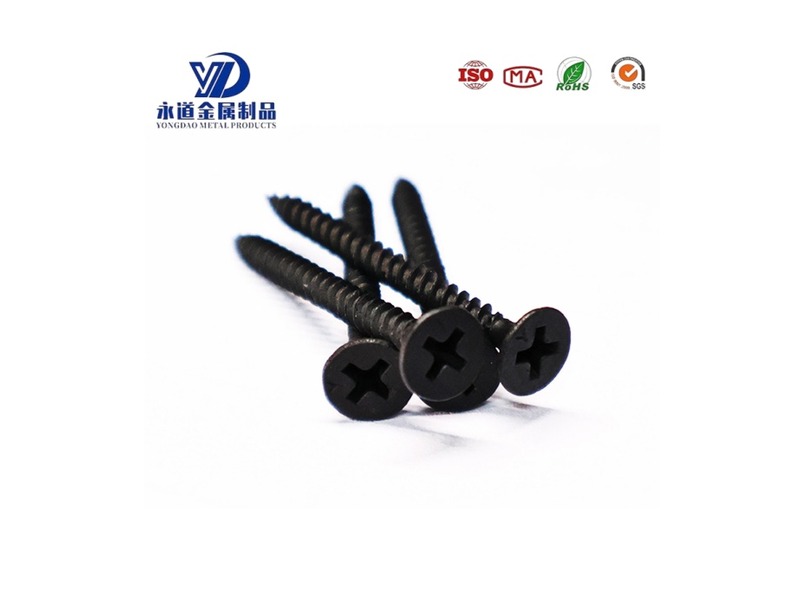 Single-Thread Coarse Pitch Grey Phosphate Drywall Screw
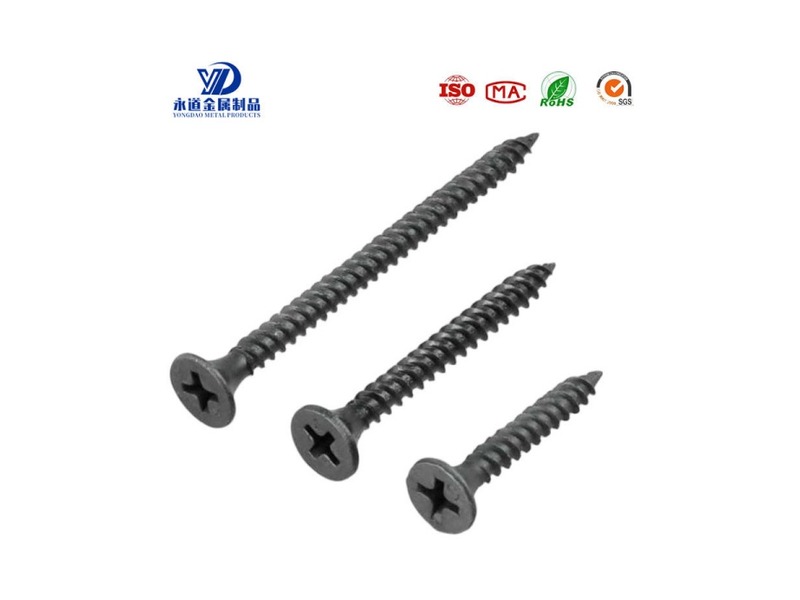 Single-Thread Fine Pitch Grey Phosphate Drywall Screw
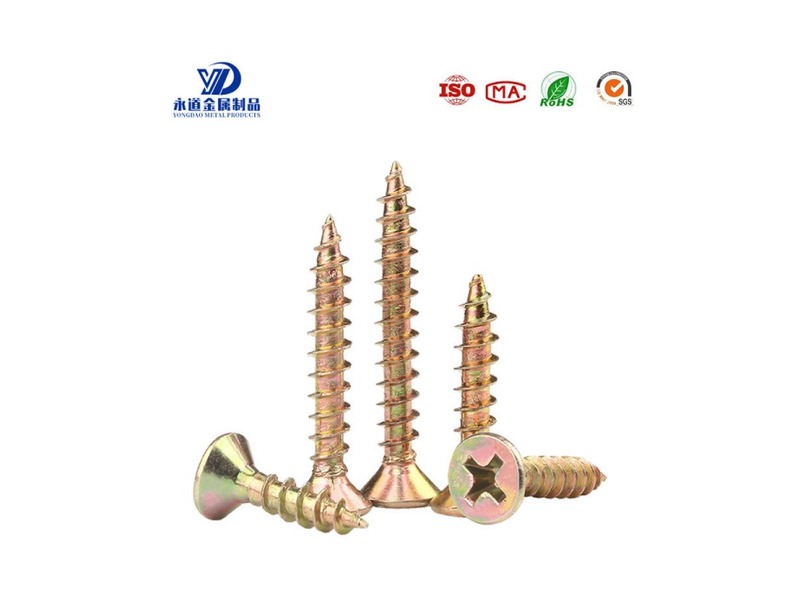 Phillips Drive 1022A High-Strength Chipboard Screw
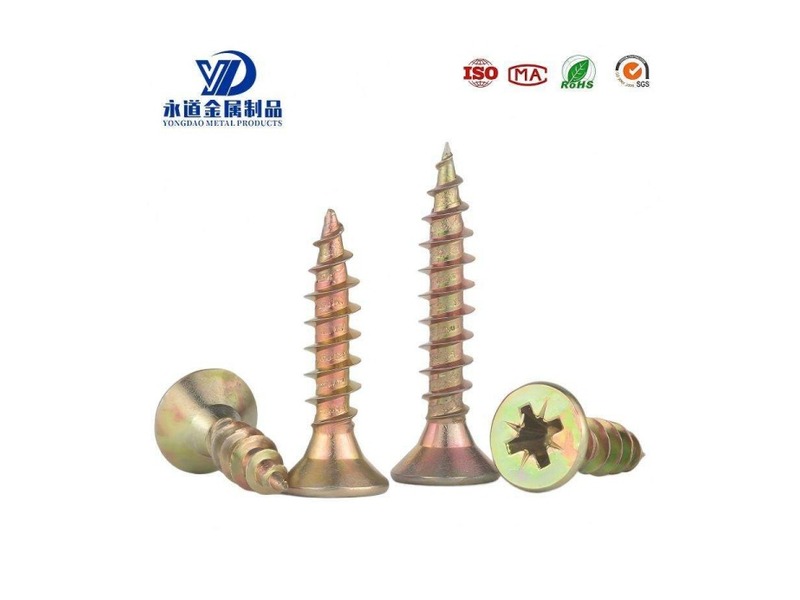 Pozidriv 1022A High-Strength Chipboard Screw
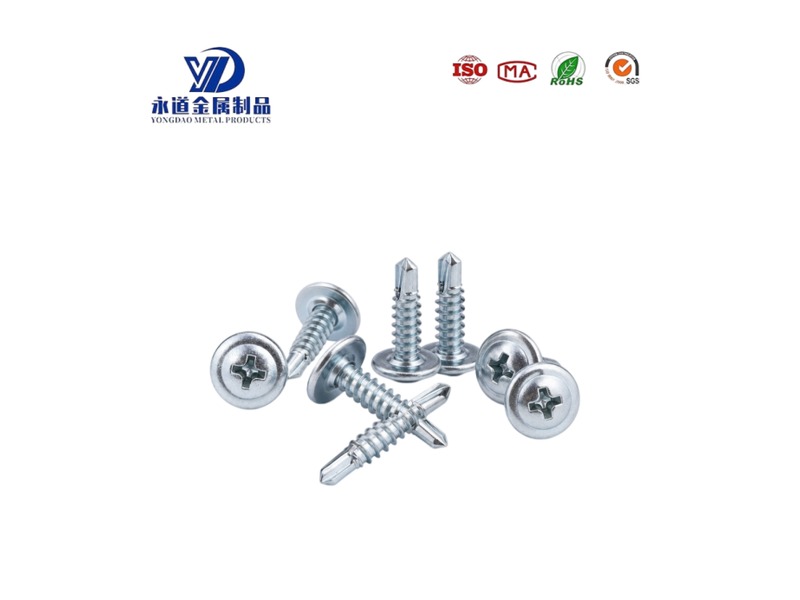 Washer Head Large Truss Head Self-Drilling Screw
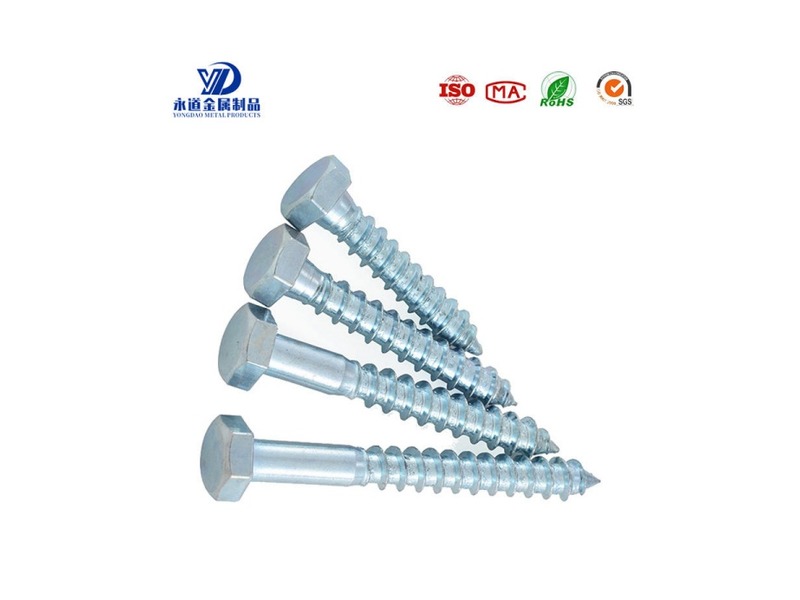 Zinc-Plated Hex Head Self-Tapping Wood Screw
Frequently Asked Questions
Common questions about production, customization and orders
Why choose fine thread instead of coarse thread?
Fine thread advances more slowly per turn, giving better control of head depth in thin boards, and it keeps more thread turns engaged in thin metal studs. Coarse thread is faster and better suited to timber. The board thickness and stud material decide the choice.
Will fine thread work in timber studs?
It can, but it is not the best match. In softwood the finer pitch engages fewer, shallower turns relative to the material and is more prone to stripping if over-driven. For timber framing, the coarse thread version of the same screw is the appropriate choice.
What causes a screw to spin without tightening?
Usually a stripped substrate: an oversized pilot in timber, a thin metal stud with too few engaged turns, or a driver that keeps turning after the head seats. Check thread type against substrate, reduce clutch torque, and replace bits that no longer hold the recess.
Is black phosphate acceptable in bathrooms?
It offers only limited corrosion protection and is intended for dry interior conditions. For bathrooms, kitchens or any damp service, a coating designed for those conditions should be specified. Phosphate is a conversion coating, not a plated barrier, so it should not be relied on in wet areas.
Can these screws be used for a second layer of board?
Yes, provided the screw is long enough to reach and engage the stud through both layers. Using a screw that only grips the first board leaves the second layer effectively floating, which later shows as movement and cracking along the joints.
What is the MOQ and how fast can you ship?
MOQ is 1000 pcs as shown on this page. Stock sizes leave in about 7 days, and made-to-order lengths, coatings or collated formats generally take 15 to 25 days depending on quantity and scheduling.