
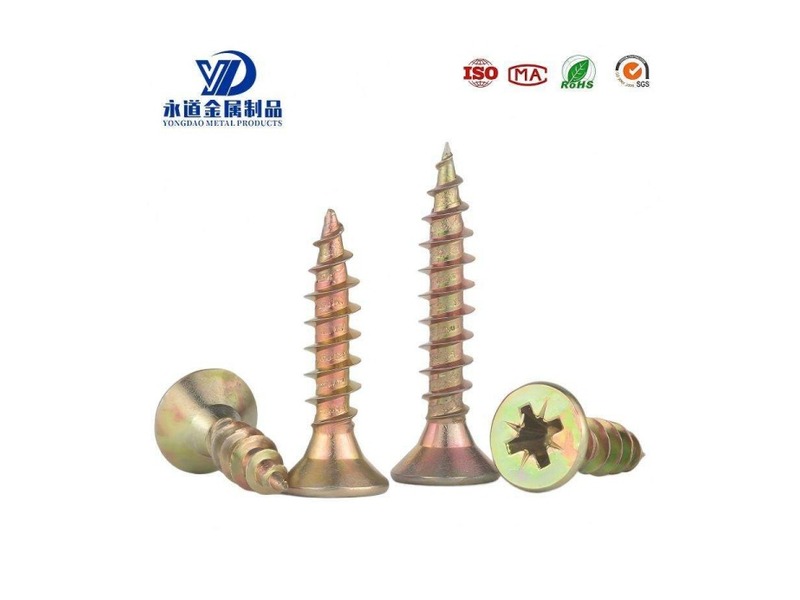
Pozidriv 1022A High-Strength Chipboard Screw
Cross recess chipboard screw with Pozidriv recess · 1022A carbon steel · case hardened · yellow zinc-plated · DIN 7500 thread forming for dense panels and furniture production
Product parameters
- Product NamePozidriv 1022A High-Strength Chipboard Screw
- CategorySelf-tapping Screw / Chipboard Screw
- BrandYONGDAO METAL
- Surface FinishYellow zinc-plated
- Material1022A Carbon Steel
- Size Range—
- GradeCase hardened
- StandardDIN 7500
- MOQ1000 pcs
- OriginHandan, Hebei, China
Items marked "—" are subject to confirmation by actual inquiry; please contact us by email or phone for detailed specifications and quotations.
Product introduction
This screw shares the DIN 7500 thread-forming geometry of our Phillips version and differs in one detail that matters on high-volume lines: the recess is Pozidriv rather than Phillips. Pozidriv has four additional ribs between the main cross arms, which lets the bit engage the head with far more contact area. The practical result is that the driver can transmit noticeably more torque before it cams out, so dense particleboard and hard MDF can be driven with fewer stops and less bit slip.
That extra torque capability changes how the screw is used rather than what it is. Where a Phillips screw deliberately limits torque by releasing the bit, a Pozidriv screw keeps driving until the operator or the clutch stops it. The head seats more consistently on hard panels, and the recess survives repeated bit engagement with less rounding, which is why furniture factories that drive thousands of screws per shift tend to specify PZ over Phillips for dense board.
The thread is a single-start, coarse-pitch forming thread as defined by DIN 7500. It presses and cuts its way into the panel, producing a matching internal thread rather than wedging the material apart. Because the thread is machine-screw-like, the joint can be disassembled and reassembled a number of times without the hold collapsing, which suits knock-down furniture, exhibition stands and any product that is shipped flat and assembled on site.
Material and heat treatment are the same as our Phillips variant: 1022A carbon steel, case hardened so the thread surface is hard enough to cut into resin-rich panel material while the core remains ductile. Yellow zinc plating provides the familiar gold appearance for interior furniture, together with a thin zinc barrier against handling moisture and humid workshop air. As with any zinc-plated screw, it is an interior finish and should not be substituted for hot-dip galvanized or stainless in exterior work.
Installation advice is centred on matching the drive to the material. Use a proper PZ bit, not a Phillips bit of similar size, because the two engage differently and a mismatched bit ruins the extra grip the recess was designed to give. Set the clutch so the head sinks flush and stops, keep the driver square, and allow enough edge distance to prevent breakout in thin panels. A test panel from the actual production lot is always worth a few minutes before a long run.
Because the two chipboard screws in this range are otherwise identical, the choice between them is a line decision rather than an engineering one. Phillips limits torque and protects surfaces; Pozidriv transmits more torque and suits dense board and high cycle counts. Buyers often stock both for different stations. We keep plating thickness and case depth consistent between lots so that switching from one drive style to the other does not change the feel on the assembly line.
One practical note on tooling. Pozidriv bits come in several sizes and the correct one engages all eight contact areas; a slightly undersized bit looks as though it fits but only touches the main cross arms, so the advantage of the recess disappears and the head rounds out under load. Production lines that standardise on PZ drive usually keep a bit-replacement interval tied to the number of screws driven rather than to visible wear, because the loss of grip is gradual and operators compensate by pushing harder, which is exactly when the board face gets damaged. A simple bit count per station is a cheap control.
Applications
FACTORY TOUR
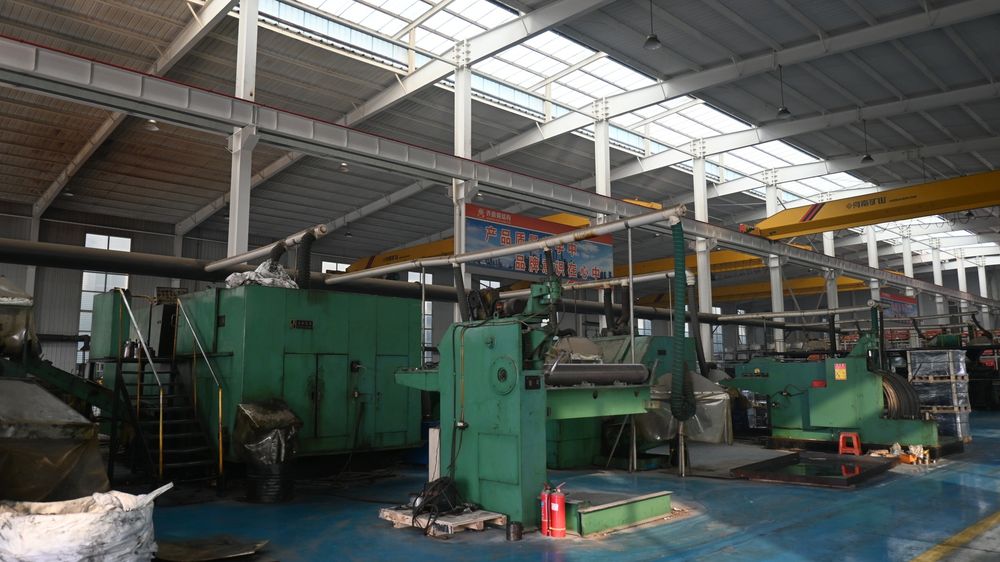
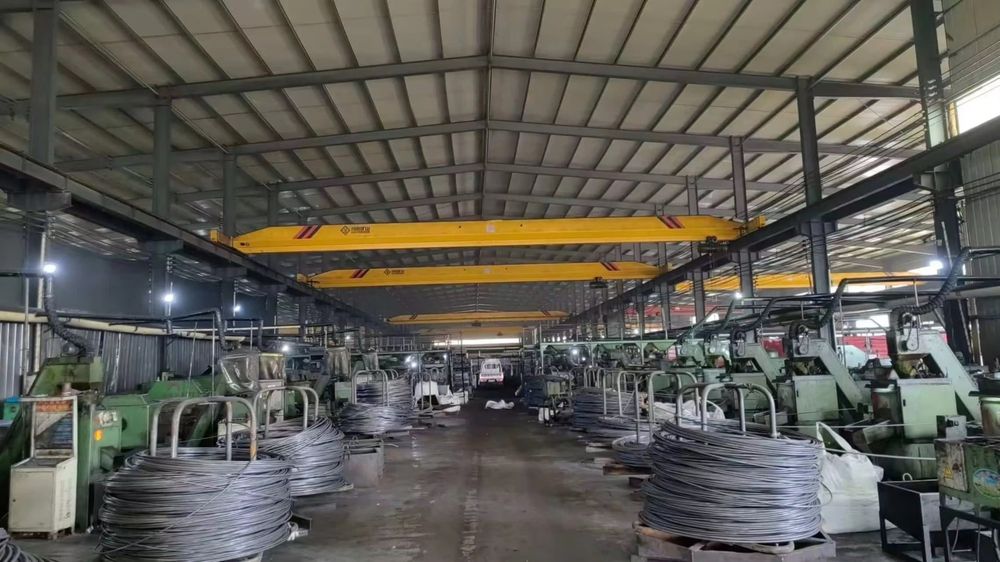
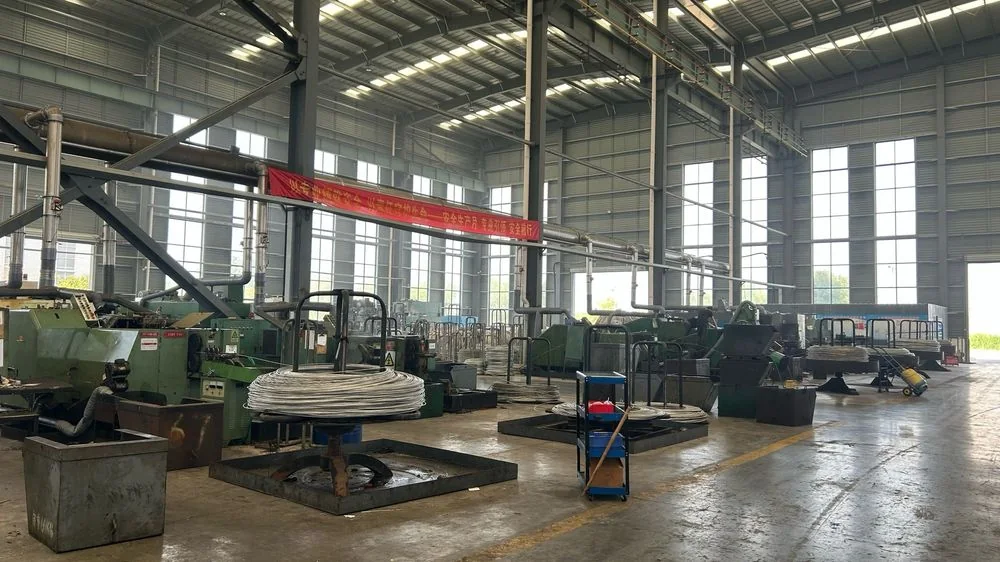
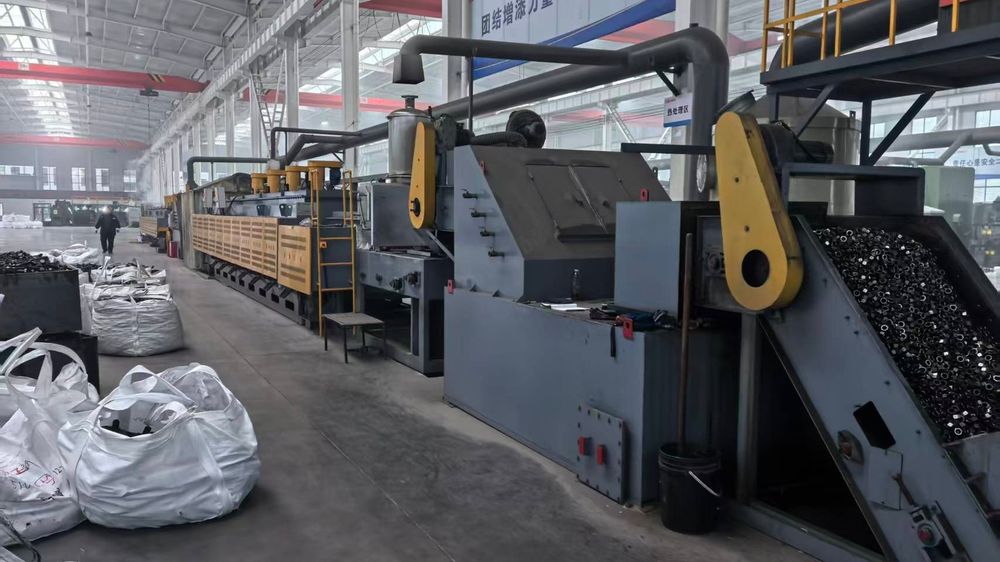
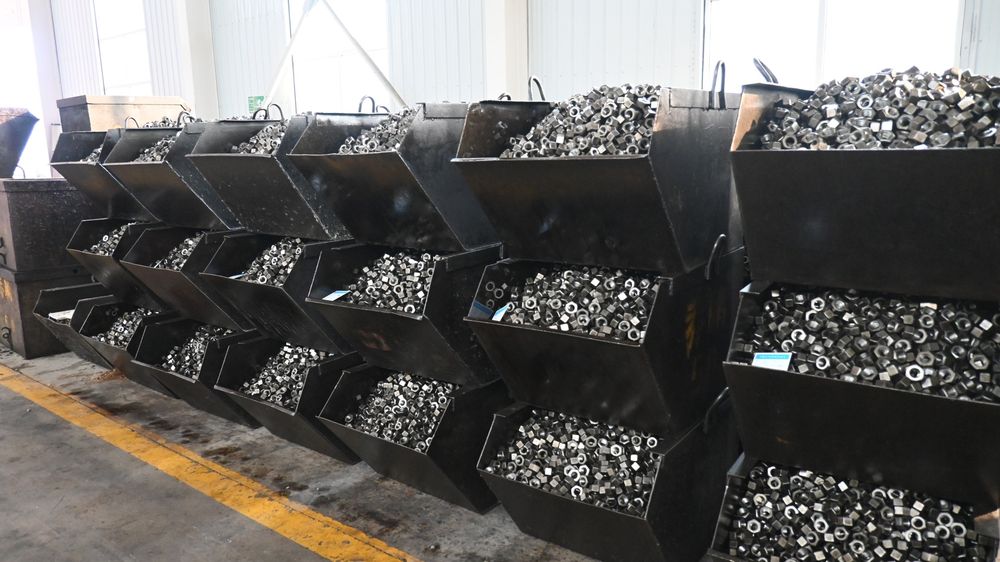
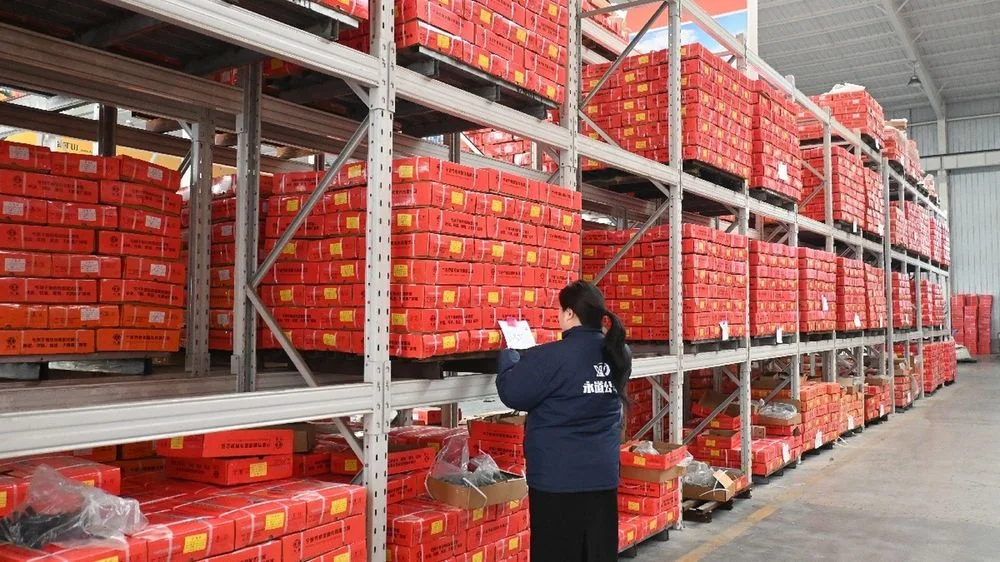
PACKING & DELIVERY
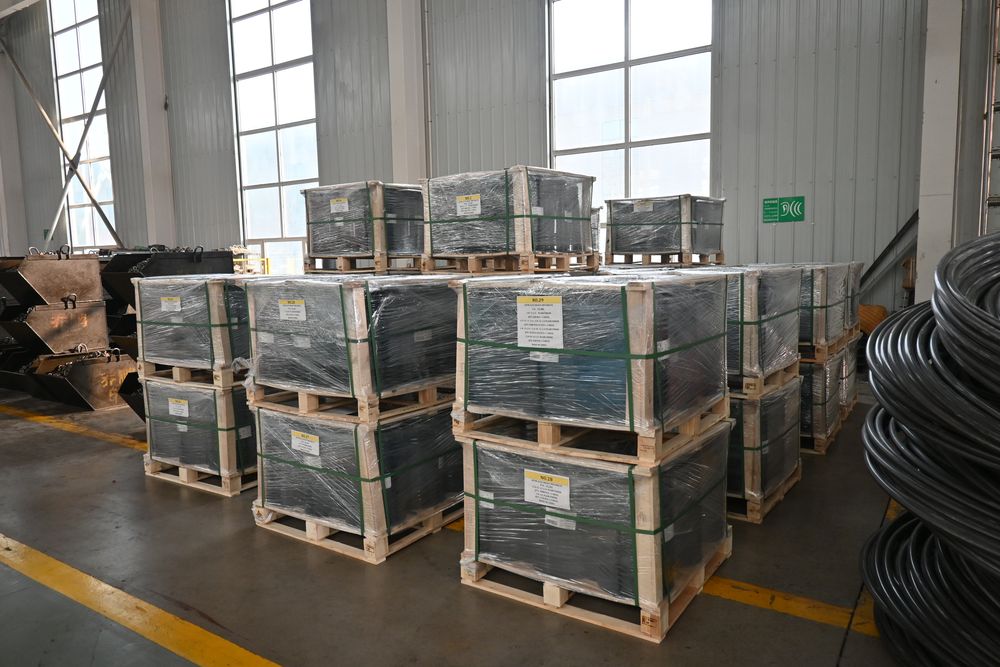

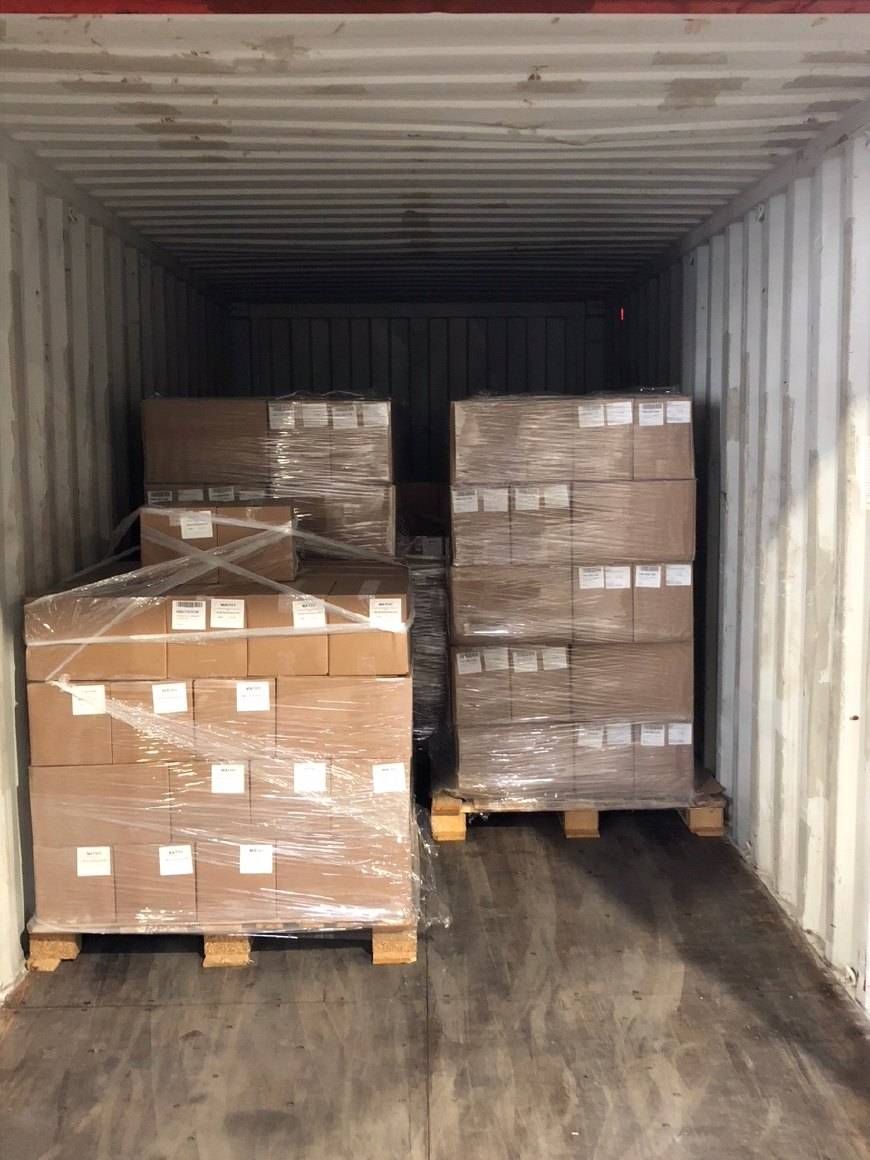

Customized delivery process
Order precautions
Before placing an order, please confirm the required product category with our sales or service staff. Customized products are not eligible for return or exchange; ex-works prices do not include taxes or freight. Every batch is strictly inspected before shipment, and minor imperfections are not considered quality problems. Please check the goods carefully upon receipt and contact us promptly if you have any questions.
- 1Provide custom drawings
- 2Choose material
- 3Get a quotation
- 4Sign the contract
- 5Production
- 6Packing & shipping
- 7Confirm receipt
- 8Order completed
Product inquiry
Related products
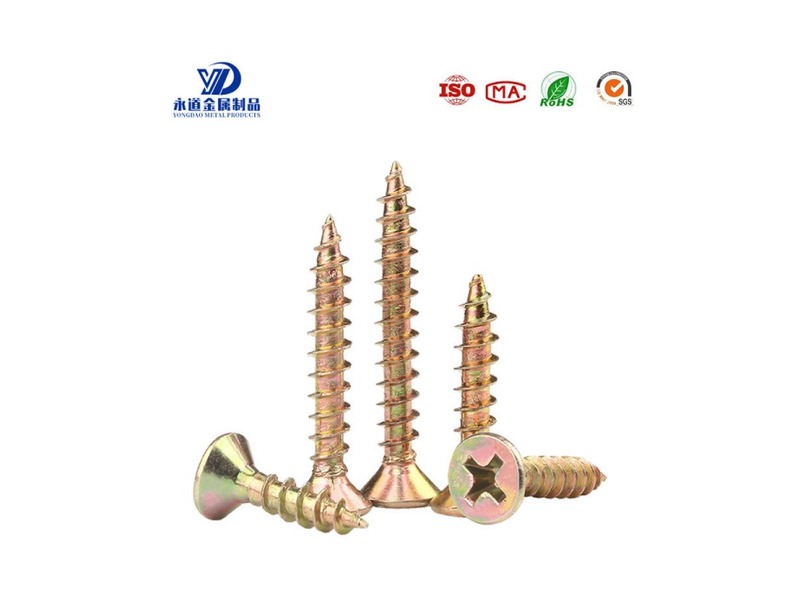 Phillips Drive 1022A High-Strength Chipboard Screw
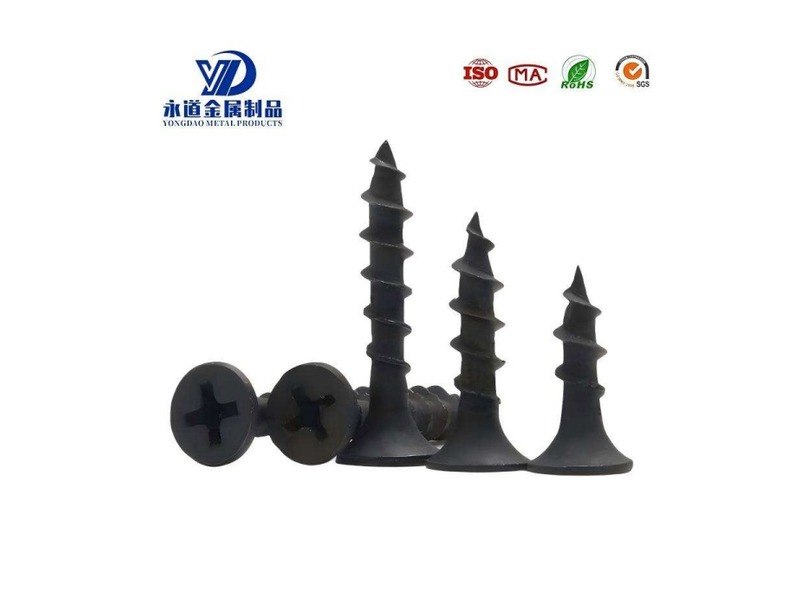 Single-Thread Coarse Pitch Black Phosphate Drywall Screw
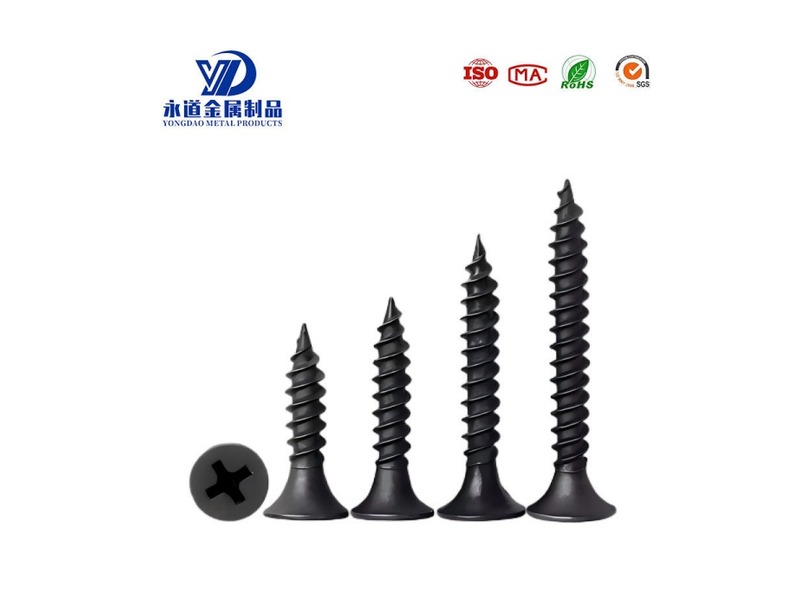 Single-Thread Fine Pitch Black Phosphate Drywall Screw
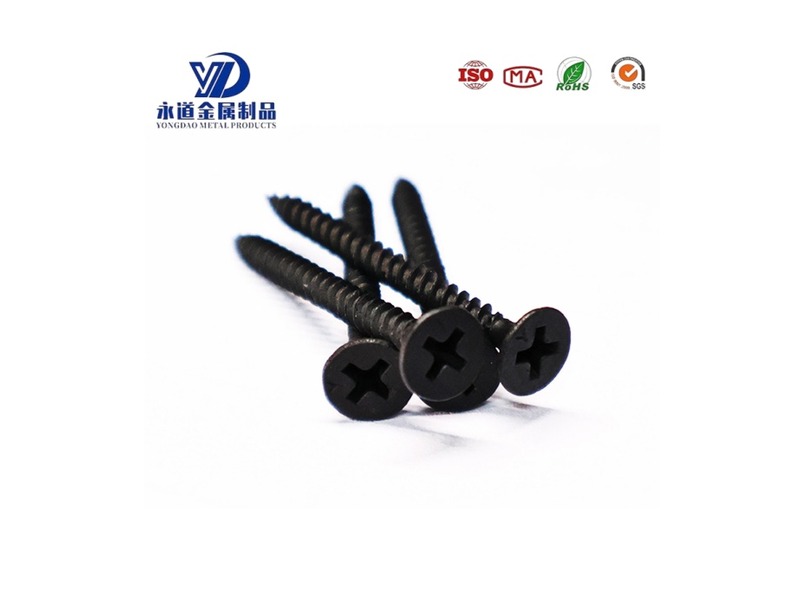 Single-Thread Coarse Pitch Grey Phosphate Drywall Screw
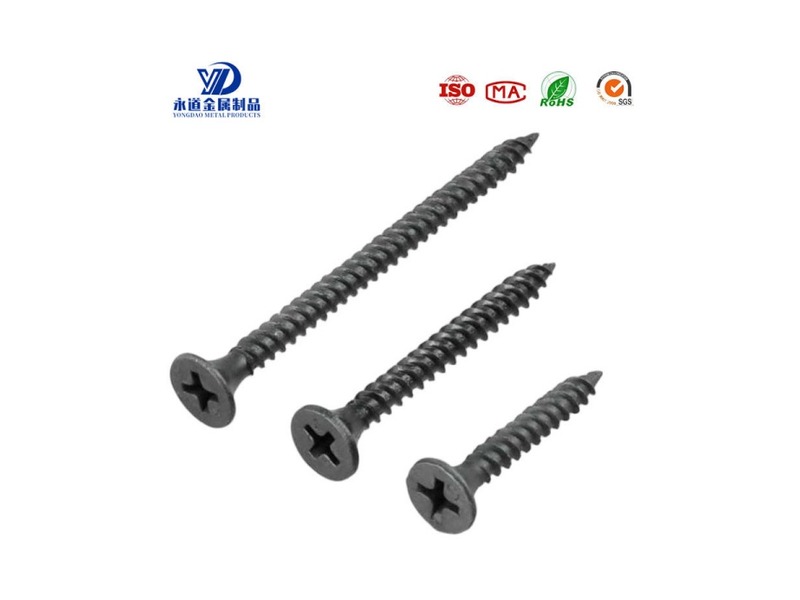 Single-Thread Fine Pitch Grey Phosphate Drywall Screw
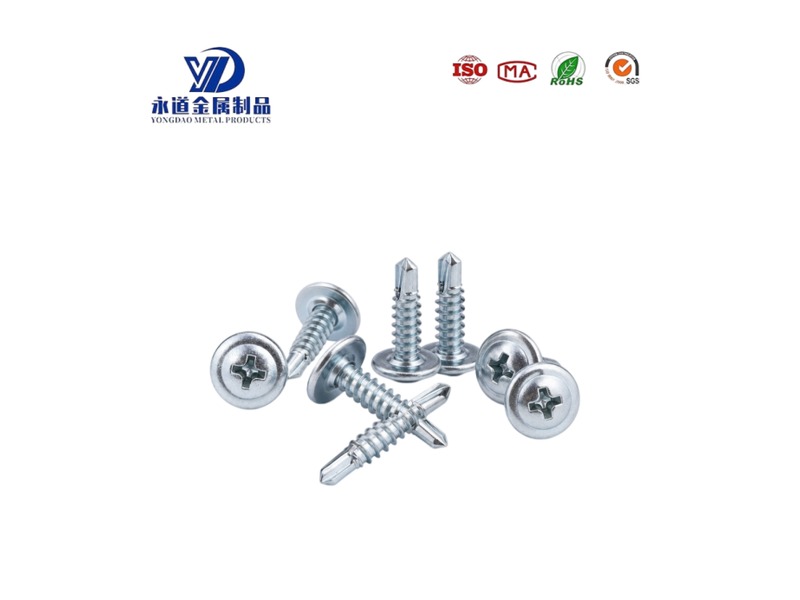 Washer Head Large Truss Head Self-Drilling Screw
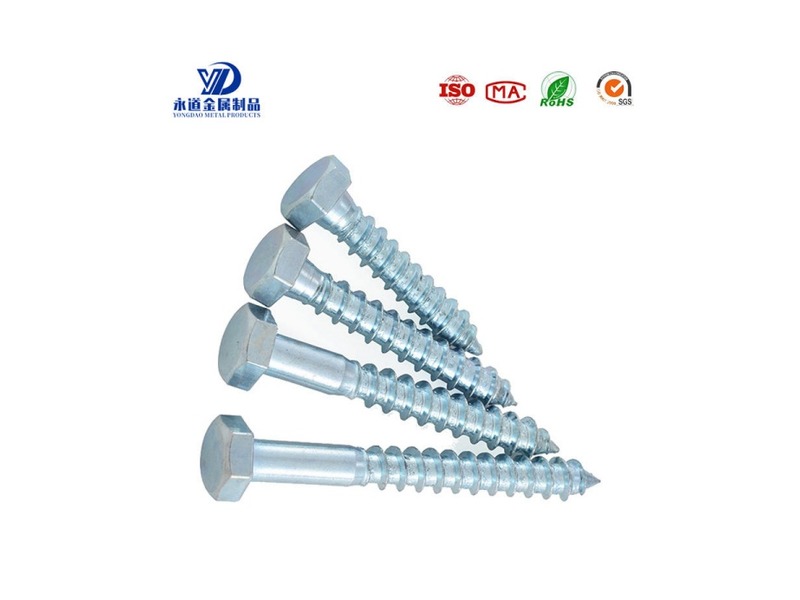 Zinc-Plated Hex Head Self-Tapping Wood Screw
Frequently Asked Questions
Common questions about production, customization and orders
What is the practical difference between Pozidriv and Phillips?
Pozidriv has four extra ribs between the cross arms, so the bit contacts more of the head and transmits more torque before slipping. Phillips is designed to cam out earlier. Choose Pozidriv for dense panels and high cycle counts, Phillips where surface protection and torque limiting matter more.
Can I use a Phillips bit in a Pozidriv head?
You can physically insert one, but do not. The mismatched geometry contacts only part of the recess, so the head rounds off and the screw slips before reaching full torque. Use a correct PZ bit of the right size and replace it once the tip shows wear.
Is this screw suitable for MDF and plywood as well as chipboard?
Yes, within reason. The DIN 7500 forming thread works in particleboard, MDF and plywood, and holds better in dense board than a sharp wood screw. In very thin panels or close to edges, use a pilot hole and moderate clutch setting to avoid splitting and breakout.
Does the case hardened thread make the screw brittle?
Case hardening is applied so the surface is hard while the core stays tough. That combination resists both thread wear in abrasive panel material and torsional breakage during driving. Brittleness appears only when case depth and core hardness are out of balance, which is why both are checked in routine inspection.
What coating should I choose for humid or outdoor furniture?
Yellow zinc is an interior finish. For humid service, exterior furniture or treated timber, specify hot-dip galvanized or stainless steel instead. A thin zinc layer gives short-term protection in handling and storage but is not a substitute for a coating designed for wet or outdoor exposure.
How is the screw packed and what is the lead time?
Standard packing is bulk cartons, with the MOQ shown as 1000 pcs on this page. Stock sizes ship in about 7 days; orders with a specific length, coating or head style are typically produced in 15 to 25 days depending on quantity.