
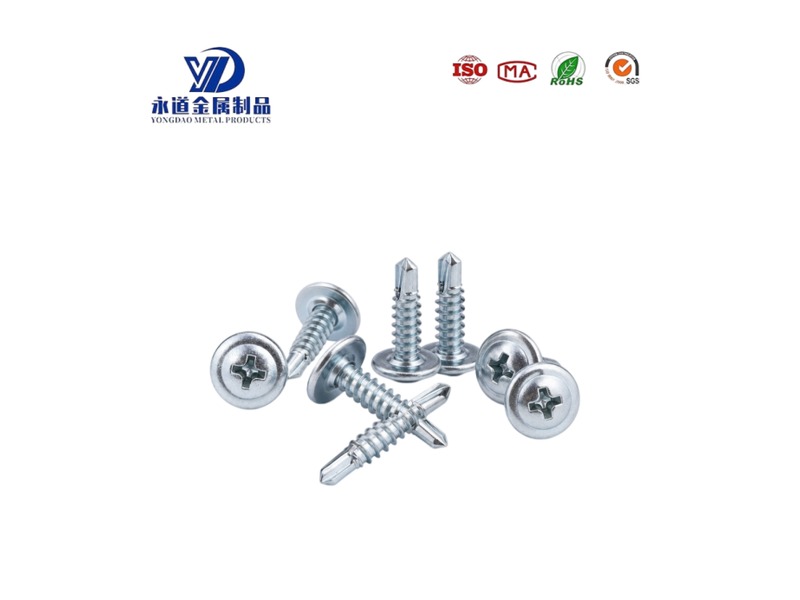
Washer Head Large Truss Head Self-Drilling Screw
Washer head large truss head self-drilling screw · zinc-plated · case hardened carbon steel · drills, taps and fastens light gauge steel and board in one operation
Product parameters
- Product NameWasher Head Large Truss Head Self-Drilling Screw
- CategorySelf-tapping Screw / Washer Head Screw
- BrandYONGDAO METAL
- Surface FinishZinc-plated
- MaterialCarbon Steel
- Size Range—
- GradeCase hardened
- StandardDIN 7504
- MOQ1000 pcs
- OriginHandan, Hebei, China
Items marked "—" are subject to confirmation by actual inquiry; please contact us by email or phone for detailed specifications and quotations.
Product introduction
A self-drilling screw carries its own drill point, so it performs three operations in one pass: it drills the hole, forms the mating thread and clamps the parts together. That is the defining difference from a self-tapping screw, which needs a pre-drilled hole. On light gauge steel framing, ductwork, cladding rails and sheet-to-sheet assembly, removing the drilling step is what makes the fixing economic, because the tool is applied once and the joint is finished.
The drill point geometry has to suit the material thickness, and this is the point most often got wrong. A point that is too long for thin sheet will spin without engaging; a point that is too short for thick material will overheat and dull before it breaks through. Point length should be matched to the total thickness being joined, and the driving torque must be enough to drill but not so high that the screw strips once the thread engages.
The washer head, also described as a large truss head, has a wide, low-profile bearing surface with an integral washer face. That spread bearing area is the reason for choosing it: it clamps flexible or fragile material without the head pulling in, and it distributes load over a larger patch of sheet or board. It is the usual choice for fixing board to steel, for thin cladding and for anywhere a standard pan head would dimple or crush the surface.
Zinc plating gives a bright, uniform finish with useful protection for interior and sheltered service, and it keeps the screw free of rust during storage and handling. It is not a substitute for hot-dip galvanizing or stainless in exterior or wet conditions. Under the plating the screw is case hardened carbon steel, so the drill point stays sharp through the sheet and the thread cuts cleanly while the core carries the torque.
In practice, three settings decide the outcome: driver torque, contact pressure and point length. Too much pressure bows thin sheet and opens the joint; too little lets the point skate. A clutch that stops at the right moment prevents stripping the formed thread after breakthrough. Where boards or membranes are being fixed, an additional sealing washer is sometimes used under the head to keep water out of the penetration.
Because these screws are often bought in large volumes for cladding and framing packages, lot-to-lot consistency of point geometry and plating matters as much as the specification itself. A batch with a slightly longer point behaves differently on the same gauge of steel and shows up as spinning screws on site. We control point form, case depth and plating thickness within a set band and inspect them routinely. Stock sizes ship in about a week.
A note on the joint rather than the screw. Self-drilling screws clamp the assembly as they seat, and on thin sheet the clamping force can bow the material between fixings if they are placed too far apart or driven too hard. Spacing should follow the cladding or framing design, and on long runs it helps to work from the centre outward so accumulated movement is pushed to the edges where it can be taken up. Over-driven screws in thin sheet also crush the formed thread, which is why a clutch setting rather than operator feel is the reliable control.
Applications
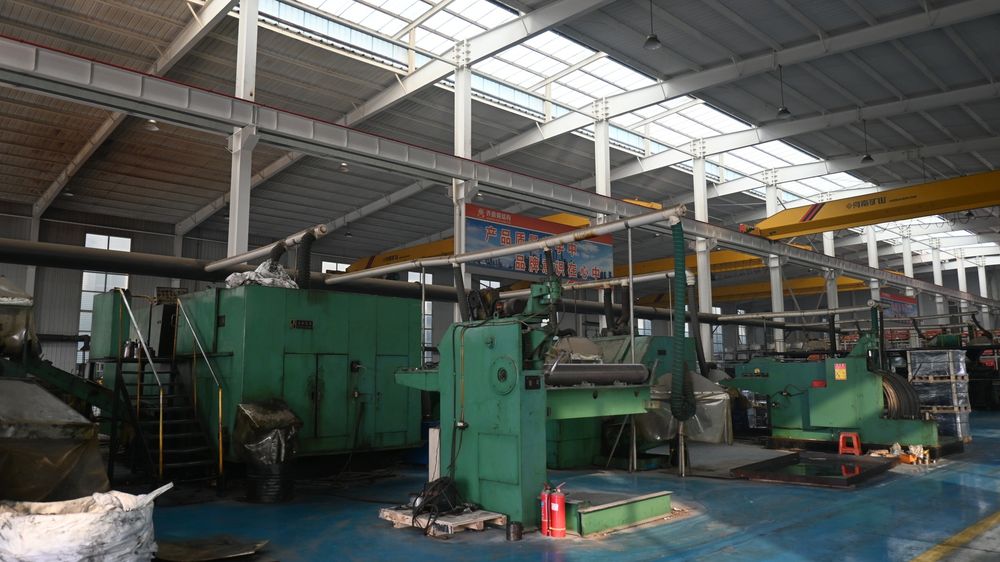
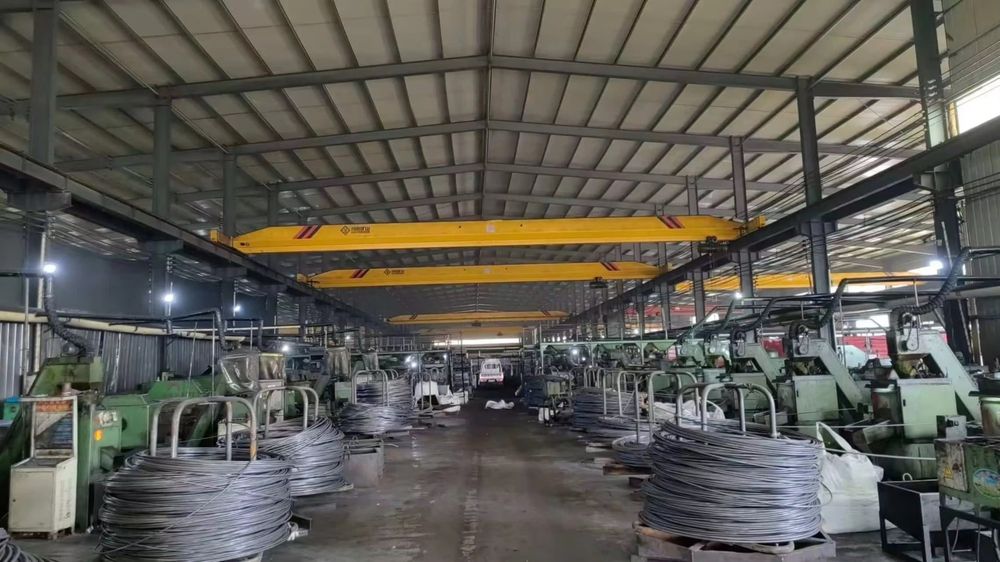
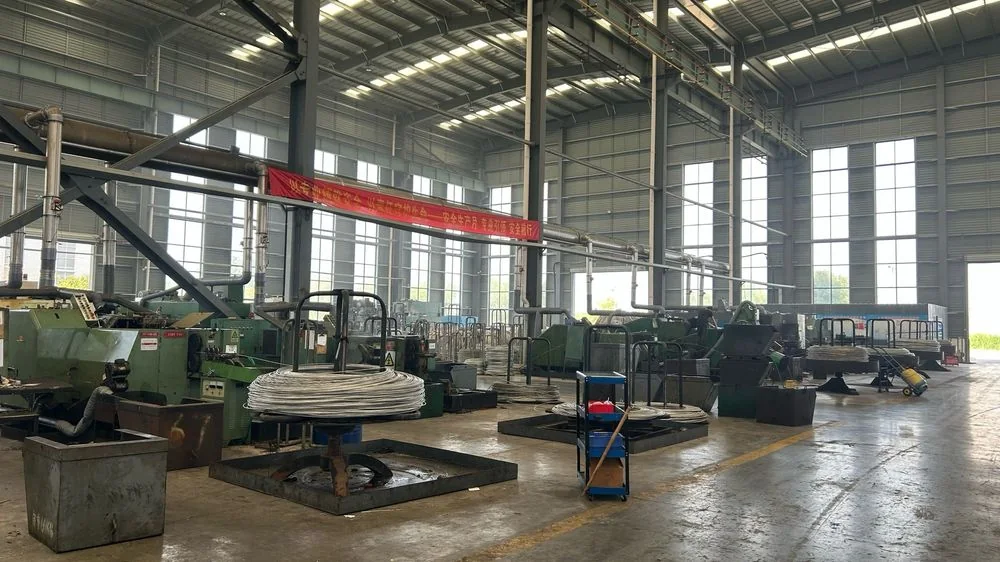
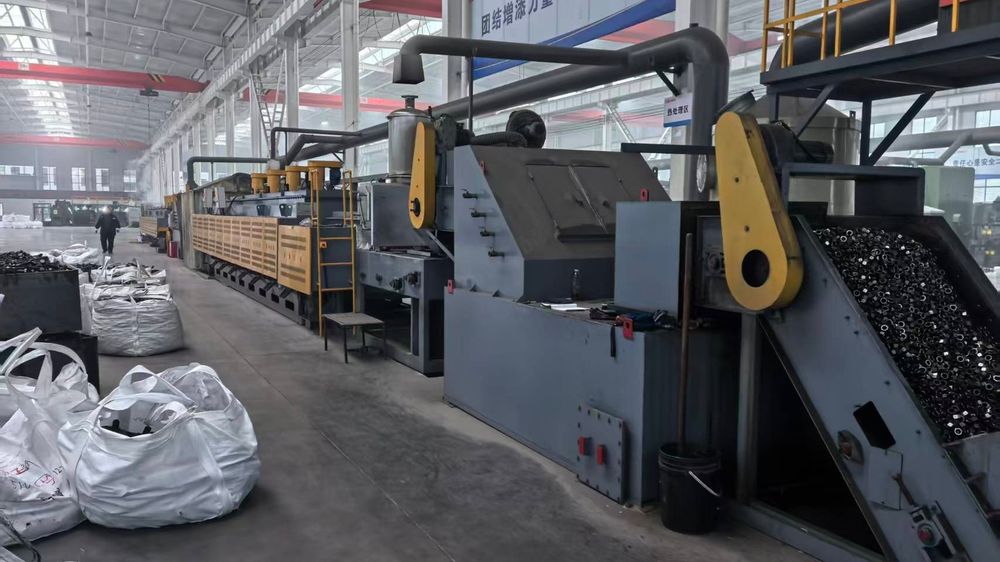
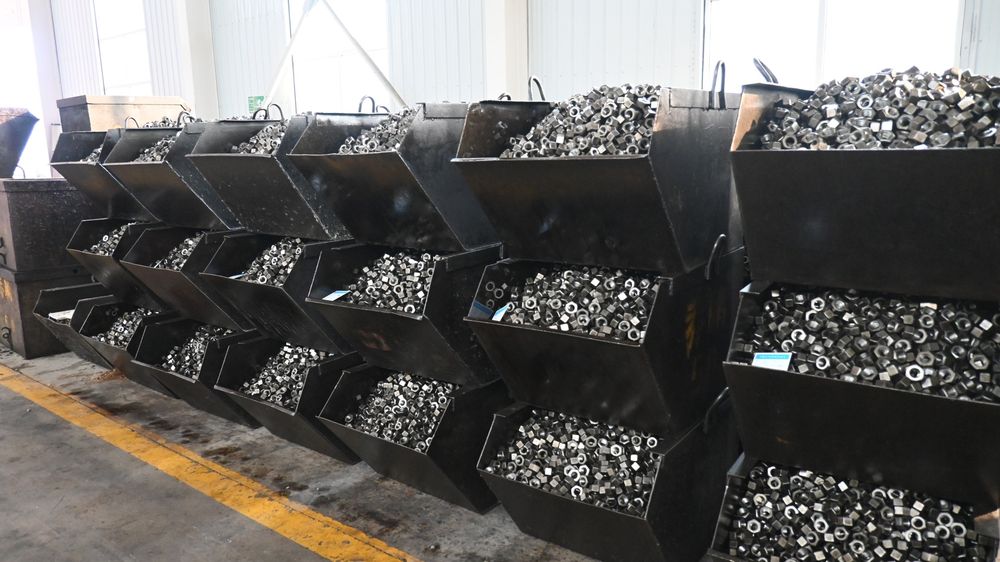
FACTORY TOUR

PACKING & DELIVERY
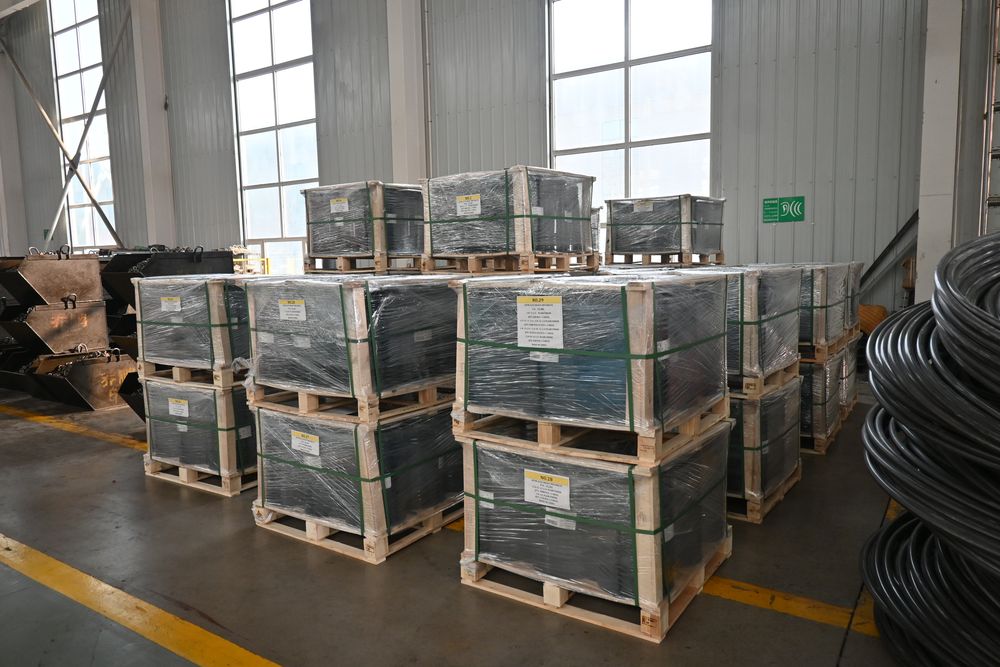



Customized delivery process
Order precautions
Before placing an order, please confirm the required product category with our sales or service staff. Customized products are not eligible for return or exchange; ex-works prices do not include taxes or freight. Every batch is strictly inspected before shipment, and minor imperfections are not considered quality problems. Please check the goods carefully upon receipt and contact us promptly if you have any questions.
- 1Provide custom drawings
- 2Choose material
- 3Get a quotation
- 4Sign the contract
- 5Production
- 6Packing & shipping
- 7Confirm receipt
- 8Order completed
Product inquiry
Related products
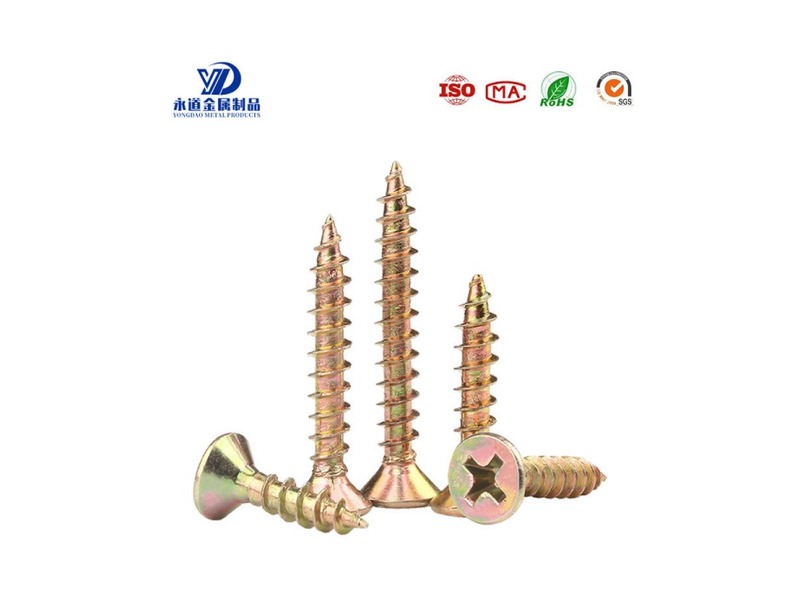 Phillips Drive 1022A High-Strength Chipboard Screw
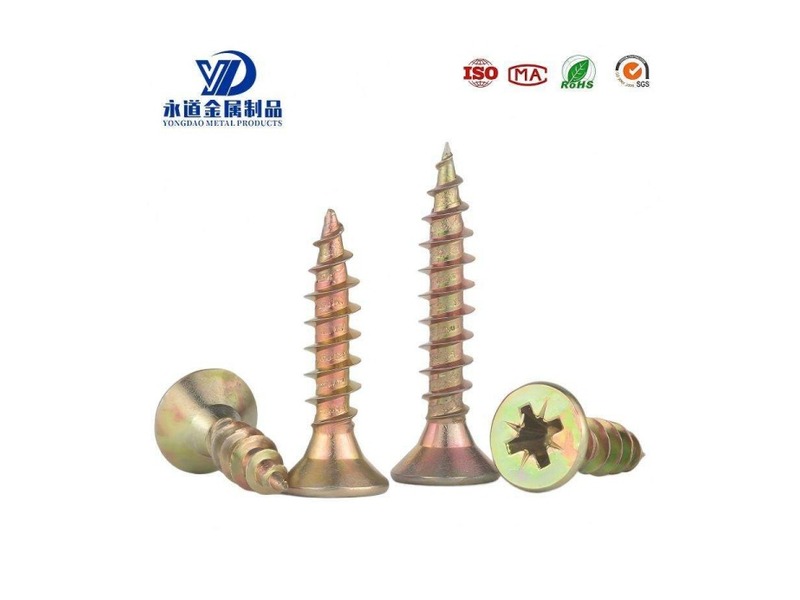 Pozidriv 1022A High-Strength Chipboard Screw
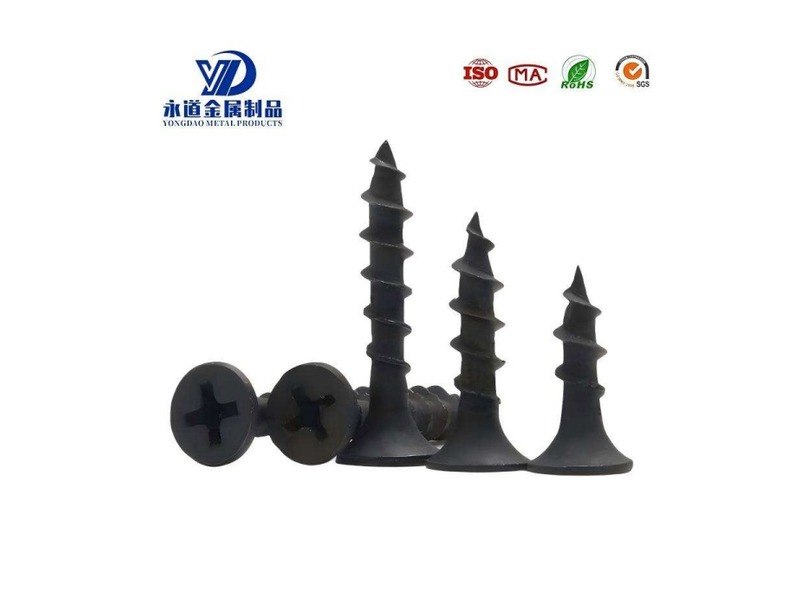 Single-Thread Coarse Pitch Black Phosphate Drywall Screw
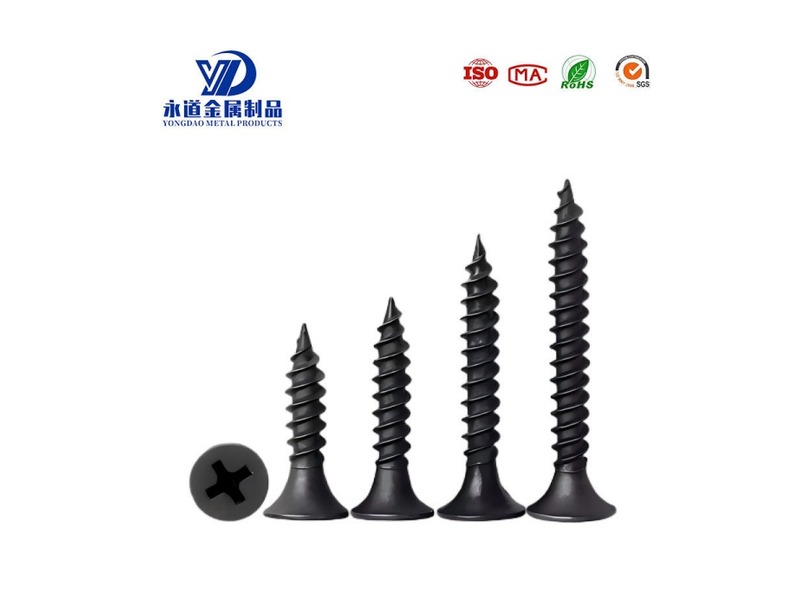 Single-Thread Fine Pitch Black Phosphate Drywall Screw
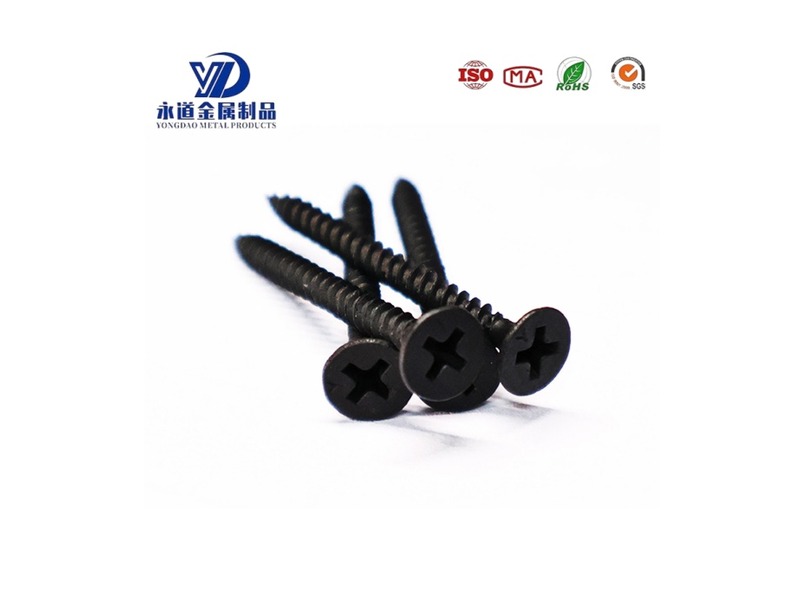 Single-Thread Coarse Pitch Grey Phosphate Drywall Screw
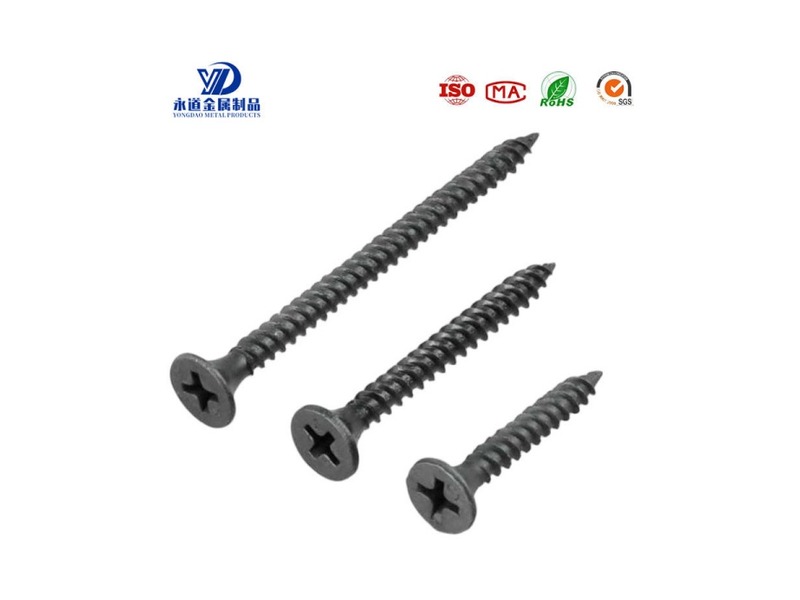 Single-Thread Fine Pitch Grey Phosphate Drywall Screw
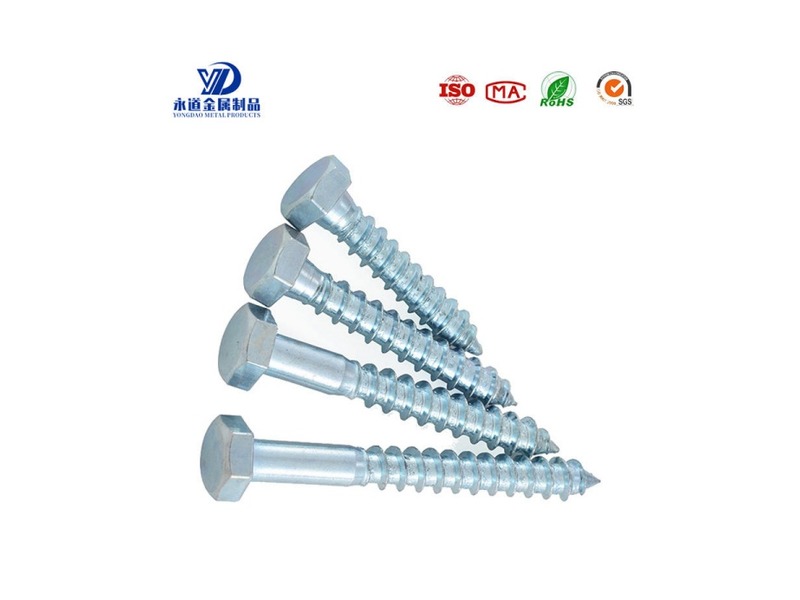 Zinc-Plated Hex Head Self-Tapping Wood Screw
Frequently Asked Questions
Common questions about production, customization and orders
What is the difference between self-drilling and self-tapping?
A self-drilling screw has a drill point that cuts its own hole, then forms a thread in one operation. A self-tapping screw needs a pre-drilled pilot hole before it can cut its thread. Self-drilling saves a step on steel framing, cladding and sheet assembly.
How do I choose the right drill point length?
Match the point to the total thickness of the material being joined: the point must be long enough to break through without bottoming, but not so long that it fails to engage thin sheet. Point length and material gauge are chosen together, and a trial on offcuts confirms the pairing.
Why use a washer head rather than a pan head?
The washer head has a wide, low bearing face with an integral washer that spreads clamping load over a larger area. It holds flexible or brittle material without crushing it, which is why it is common for board-to-steel and thin cladding fixing.
Can these screws be used outdoors?
Zinc plating suits interior and sheltered conditions. For exterior cladding, coastal or wet service, hot-dip galvanized or stainless fasteners should be specified instead, since a plated layer will not provide long-term protection in those environments.
Why does the screw spin without tightening?
Most often the formed thread has stripped because torque was too high after breakthrough, or the point never engaged properly in thin sheet. Reduce clutch setting, check point length against material gauge, and apply steady rather than excessive pressure.
What is the MOQ and delivery time?
MOQ is 1000 pcs as shown on this page. Stock sizes dispatch in around 7 days; special lengths, coatings or head styles are produced in roughly 15 to 25 days depending on quantity.