
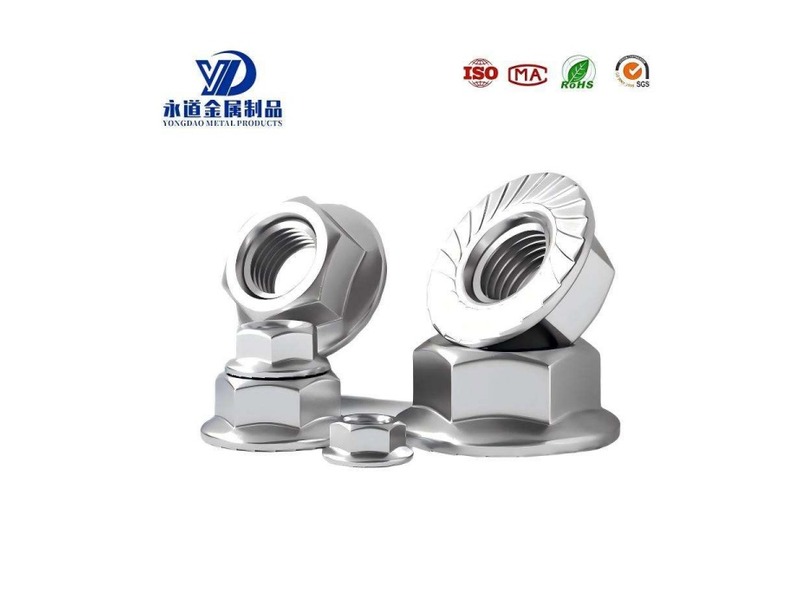
Grade 4/8 Carbon Steel Zinc-Plated Flange Nut
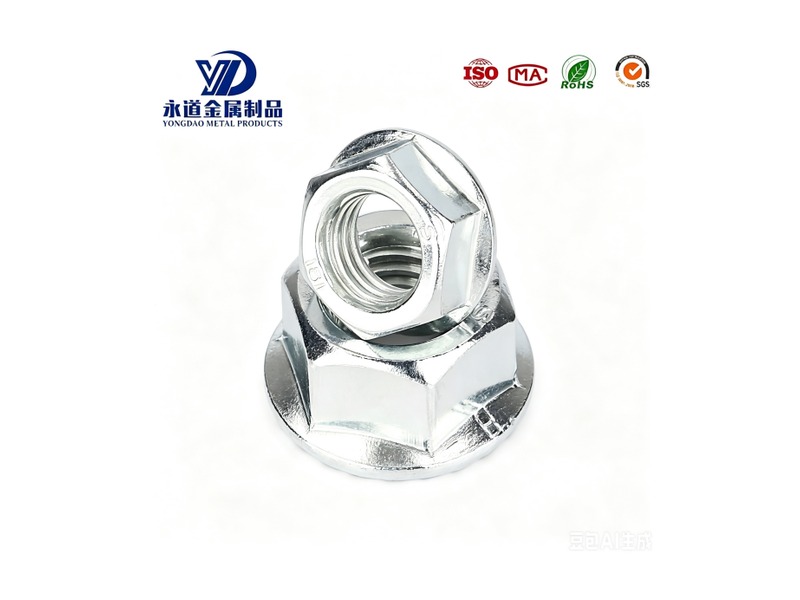
Hexagon flange nut to DIN 6923, carbon steel grade 4/8, zinc-plated, M6~M20, with an integrated flange that spreads load and replaces a separate washer
Product parameters
- Product NameGrade 4/8 Carbon Steel Zinc-Plated Flange Nut
- CategoryNut / Hex Flange Nut
- BrandYONGDAO METAL
- Surface FinishZinc-plated
- MaterialCarbon Steel
- Size RangeM6~M20
- GradeGrade 4 / Grade 8
- StandardDIN 6923
- MOQ1000 pcs
- OriginHandan, Hebei, China
Items marked "—" are subject to confirmation by actual inquiry; please contact us by email or phone for detailed specifications and quotations.
Product introduction
The flange nut is a hexagon nut with a wide circular collar formed at one end, produced to DIN 6923. That collar does the job of a washer: it enlarges the bearing area, spreads clamp load over a wider annulus of the clamped part and reduces the chance of the nut sinking into thin sheet or soft material. Because the flange is part of the nut, there is one less component to stock, one less part to drop during assembly and no risk of fitting a washer of the wrong hardness, which makes this the default nut on production lines.
The range covers M6 to M20 in carbon steel classes 4 and 8, zinc-plated, with a metric coarse thread. The thread is the same 6H fit as a standard nut, so the same bolting rules apply: at least one nominal diameter of engagement, a nut that runs down freely, and a washer under the head where the opposite side is also soft. Where the flange meets an oversized hole or a slotted component, a hardened washer is still advisable because the flange cannot bridge a gap larger than its own diameter.
Flange nuts come in serrated and smooth flange versions, and the choice affects behaviour more than appearance. The serrated flange bites into the mating surface and resists loosening, but it marks painted or machined faces and is not suited to joints that are taken apart often. The smooth flange relies on friction and is preferred on painted panels, visible surfaces and aluminium, where the clamp load can otherwise crush the material. This DIN 6923 item is supplied with a smooth flange as standard; serrated versions are available to order.
Zinc plating gives dependable protection indoors and in sheltered transport conditions and keeps friction predictable for torque-controlled tools. Assembly is quicker than with a separate washer, but the flange must sit flat: on a curved or badly formed surface it contacts on one edge, clamps unevenly and can loosen. Where the joint sees vibration, add a spring washer or a locking nut rather than over-tightening the flange nut in the hope that more torque will hold it.
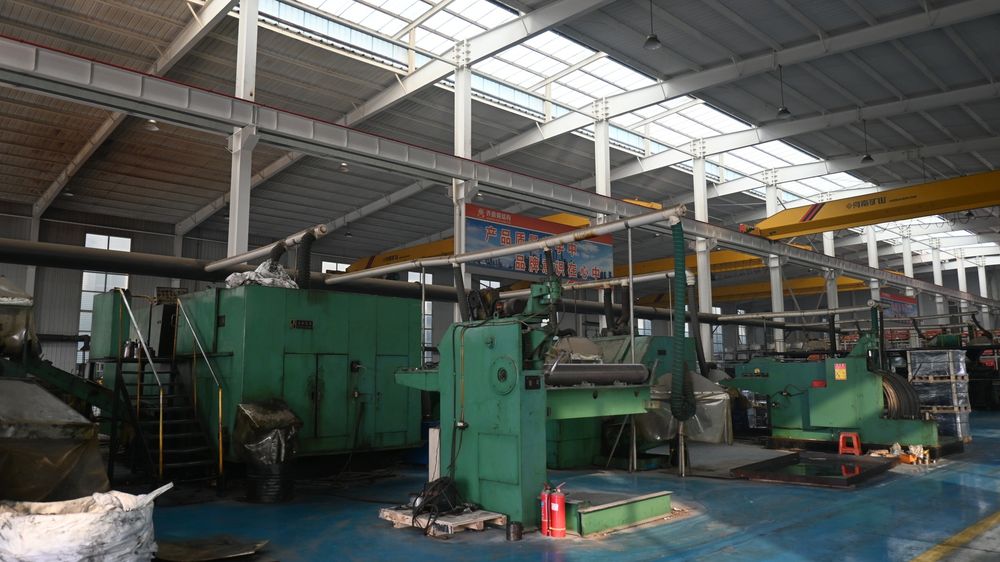
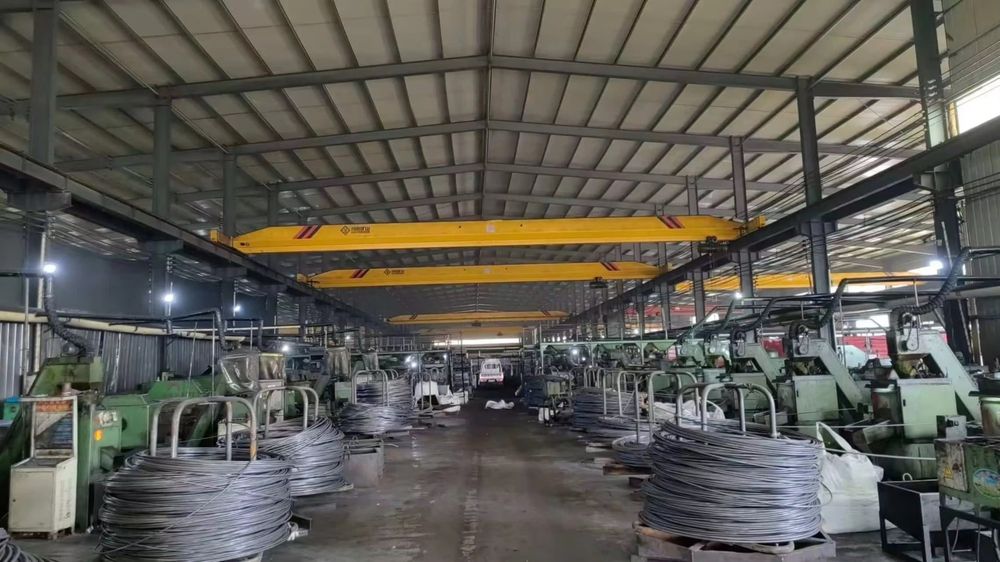
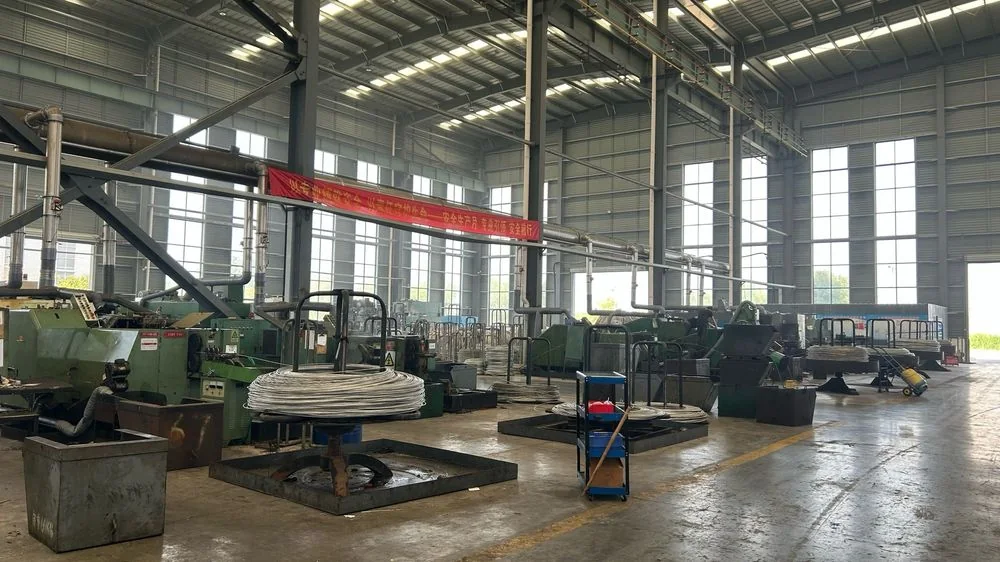
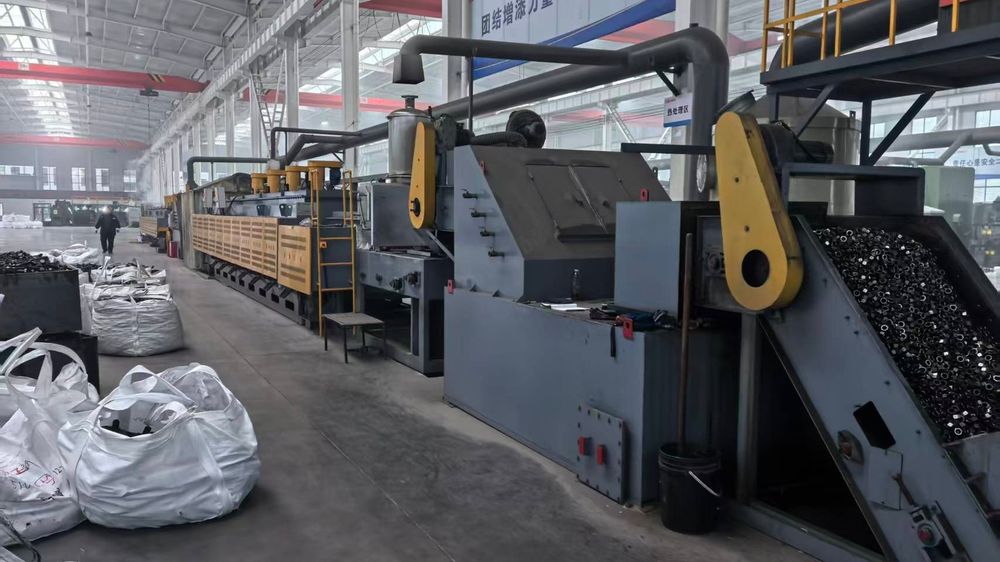
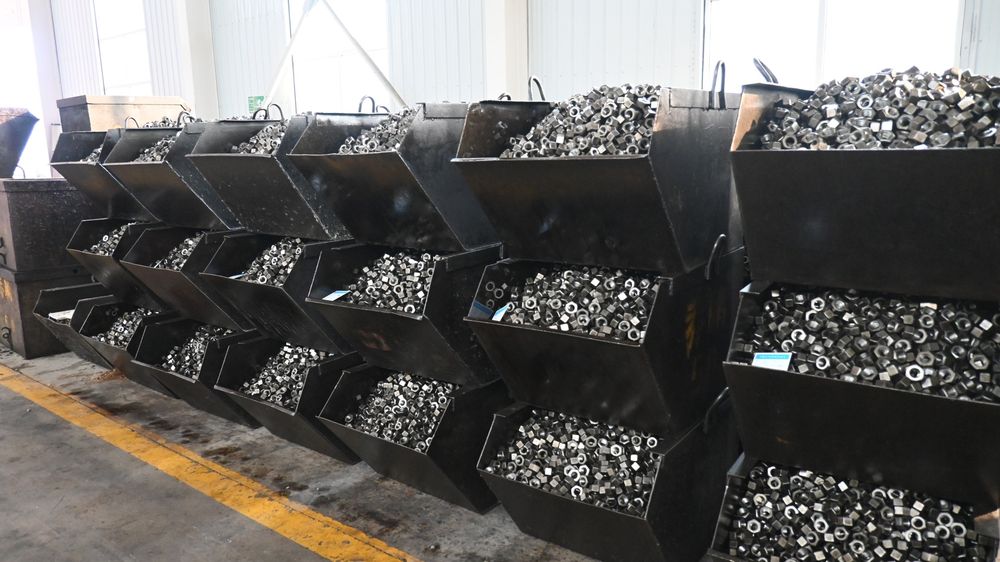
Handan Yongdao Metal Products Co., Ltd. produces the range in a plant of about 20,000 square metres with roughly 300 employees and an annual capacity near 25,000 tons, covering heading, tapping, plating and packing. The quality system is ISO 9001 certified; thread gauging holds about 99.8% first-pass acceptance, critical dimensions such as flange diameter and height run at CPK 1.33 or better, and on-time delivery is about 98.5%.
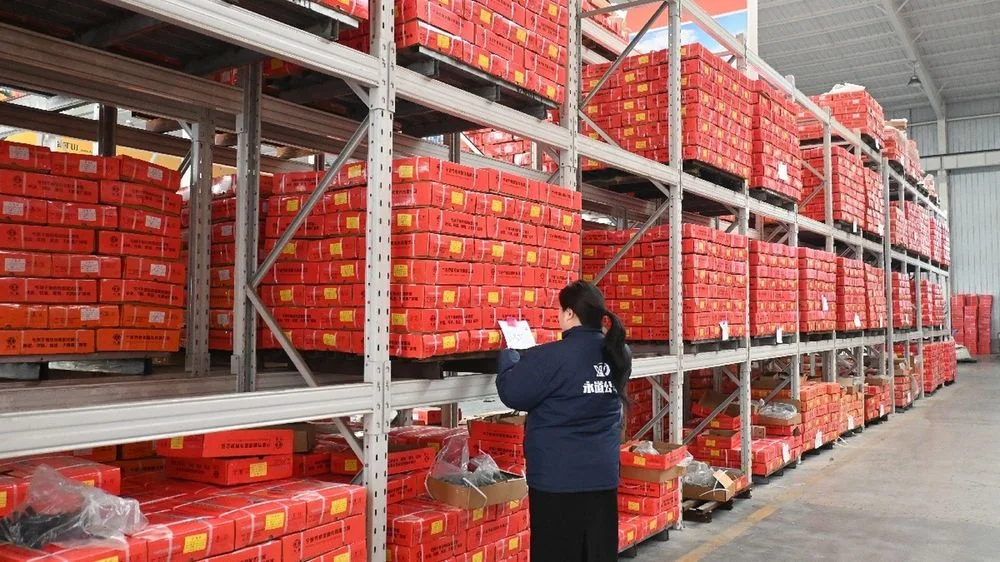
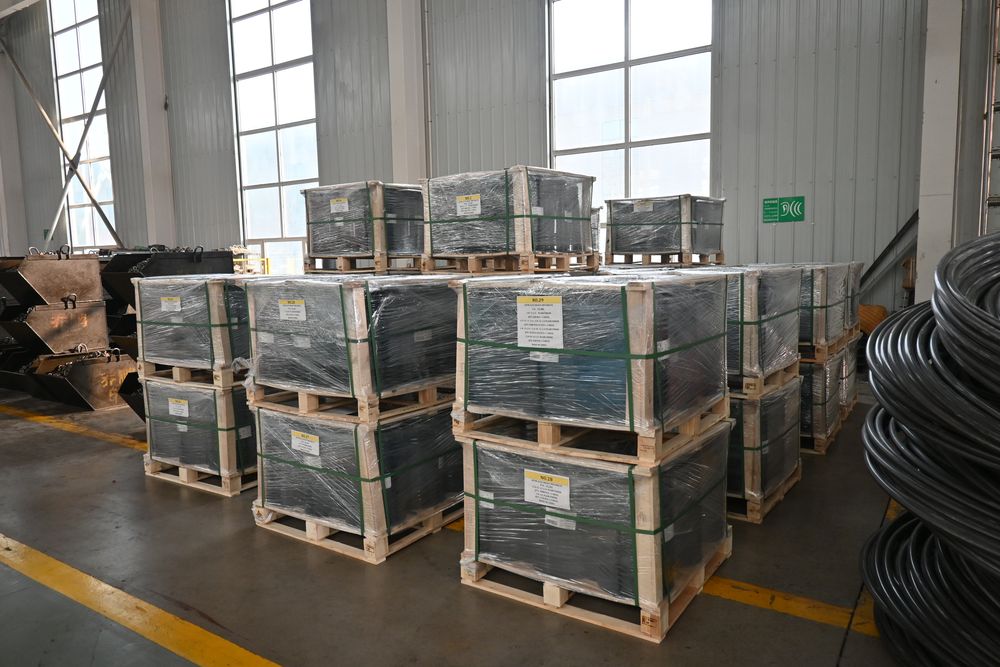
Commercial terms are MOQ 1,000 pieces per size, stock sizes dispatched in about 7 days and batch production in 15 to 25 days depending on size and finish. OEM options include serrated or smooth flange, class substitution, alternative coatings and buyer-branded packaging, and matching flange bolts and washers can be supplied so a joint arrives complete. Typical use is machinery assembly, metal fabrication, automotive and transport parts, doors and windows, curtain walls and pipework support fixing.
One more practical point on stock keeping: because the flange is part of the nut, the part number replaces two line items in stores, and a missing washer can no longer stop a line. For maintenance teams working from a small van or a toolbox, that consolidation is often the reason the flange nut gets specified at all, independent of any technical advantage.
Applications
FACTORY TOUR
PACKING & DELIVERY
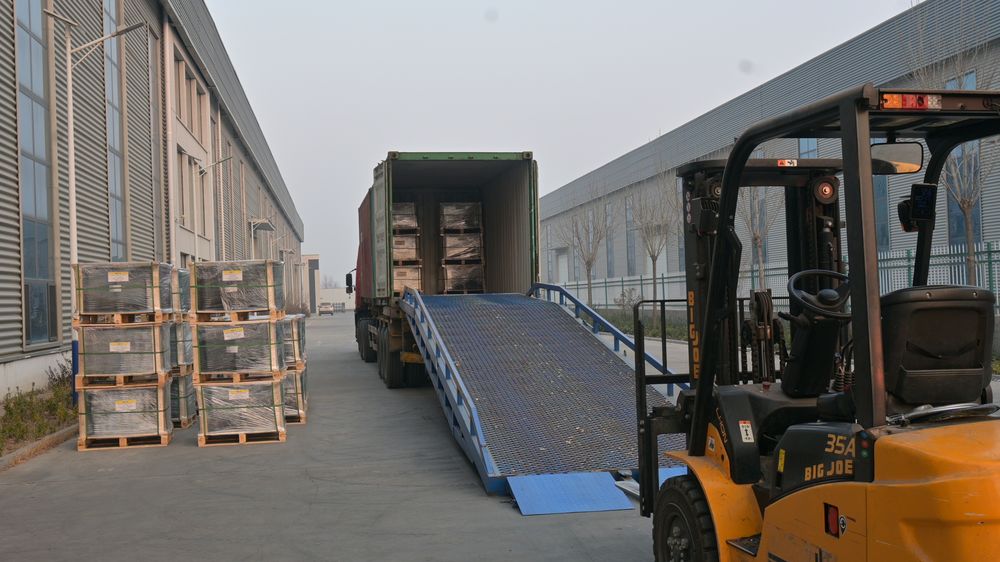
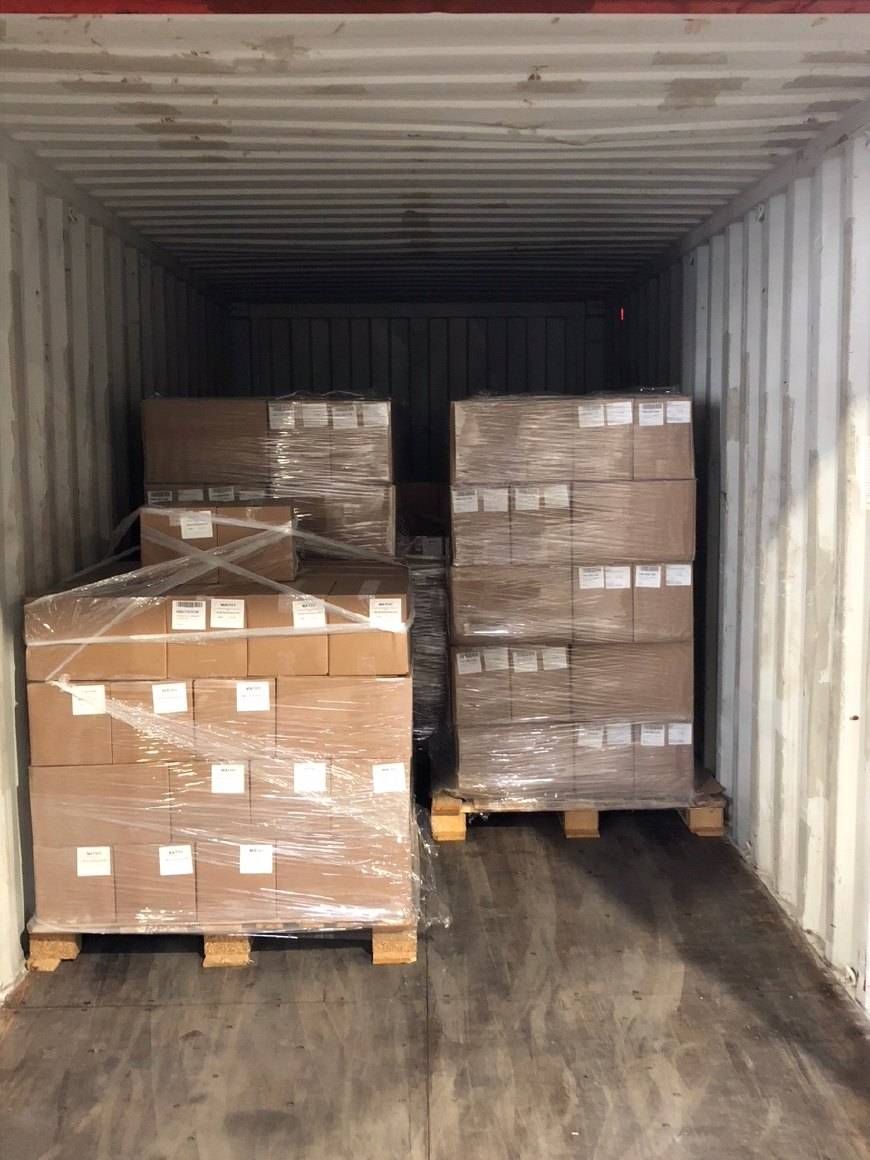
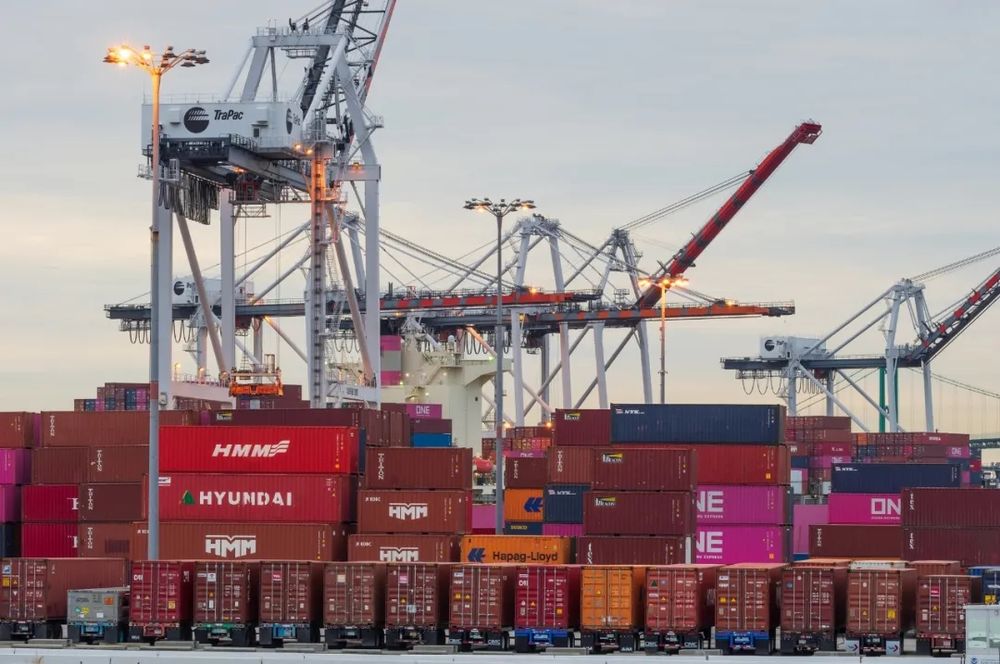
Customized delivery process
Order precautions
Before placing an order, please confirm the required product category with our sales or service staff. Customized products are not eligible for return or exchange; ex-works prices do not include taxes or freight. Every batch is strictly inspected before shipment, and minor imperfections are not considered quality problems. Please check the goods carefully upon receipt and contact us promptly if you have any questions.
- 1Provide custom drawings
- 2Choose material
- 3Get a quotation
- 4Sign the contract
- 5Production
- 6Packing & shipping
- 7Confirm receipt
- 8Order completed
Product inquiry
Related products
 Grade 4/8 Carbon Steel Yellow Zinc-Plated Flange Nut
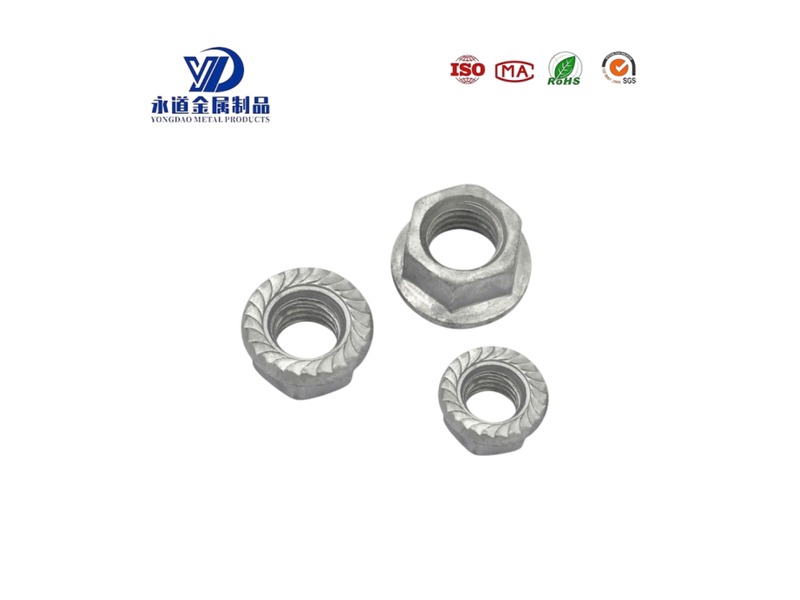 Grade 4/8/10 Carbon Steel Hot-Dip Galvanized Flange Nut
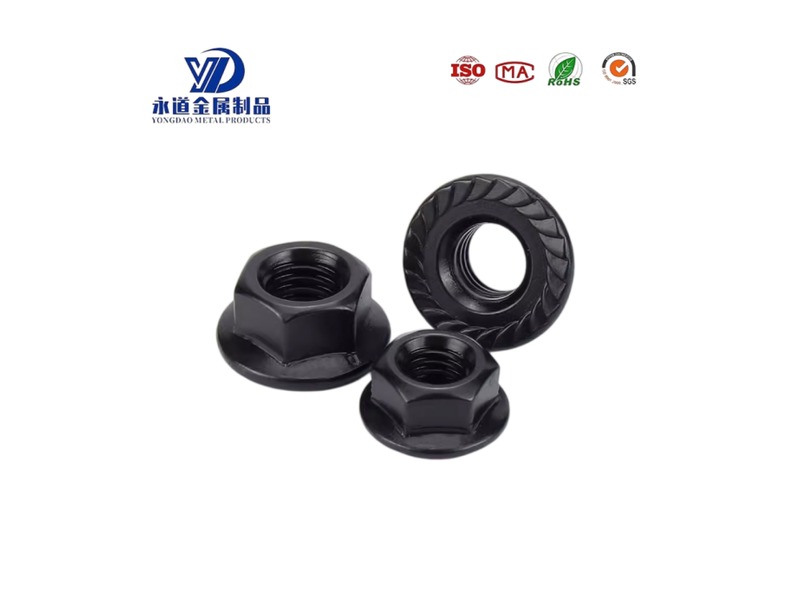 Grade 4/8/10/12 Carbon Steel Black Oxide Flange Nut
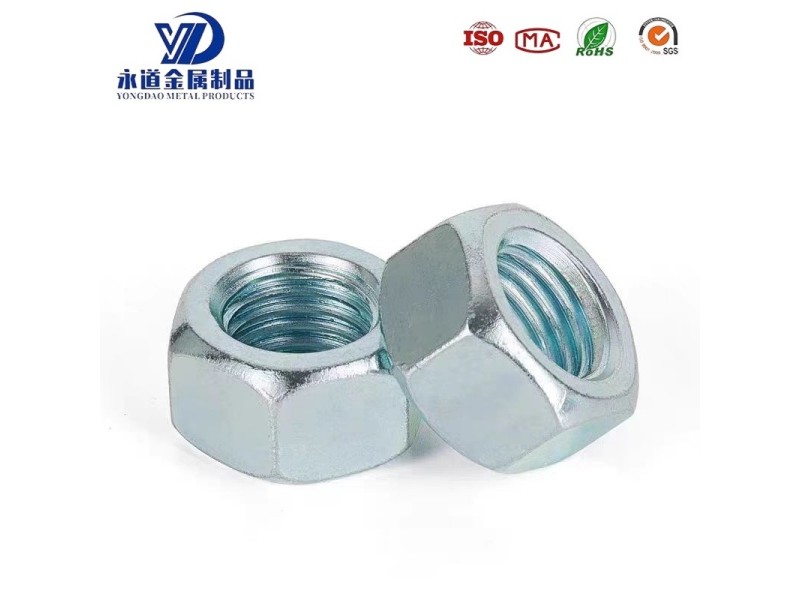 Grade 4/8 Carbon Steel Zinc-Plated Hex Nut
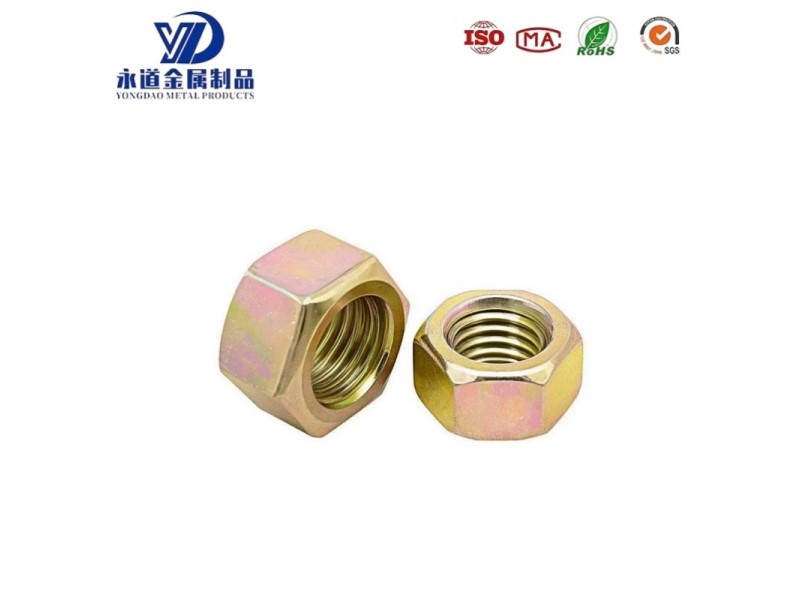 Grade 4/8 Carbon Steel Yellow Zinc-Plated Hex Nut
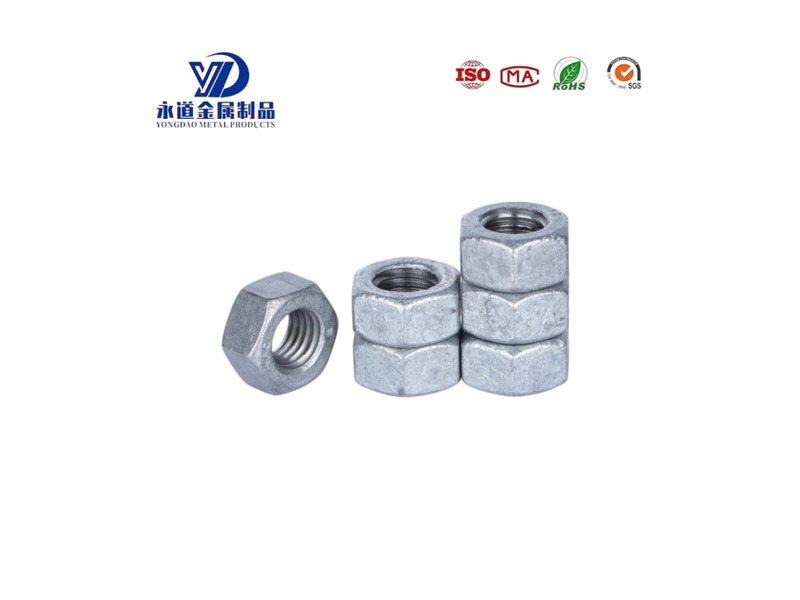 Grade 4/8/10/12 Carbon Steel Hot-Dip Galvanized Hex Nut
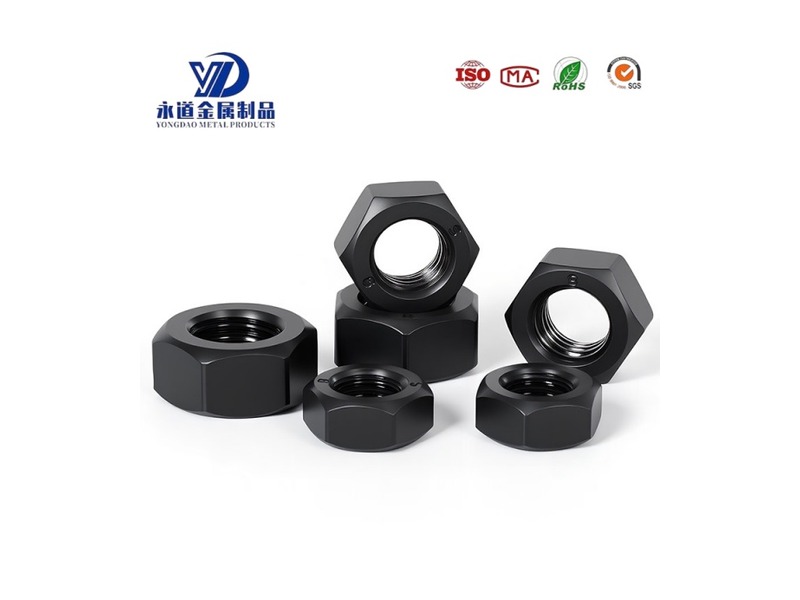 Grade 4/8/10/12 Carbon Steel Black Oxide Hex Nut
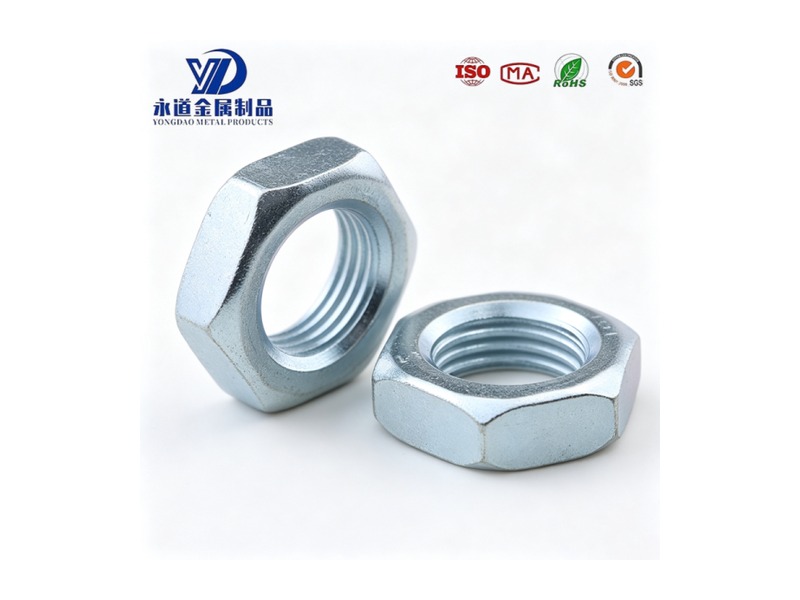 Zinc-Plated Thin Hex Nut
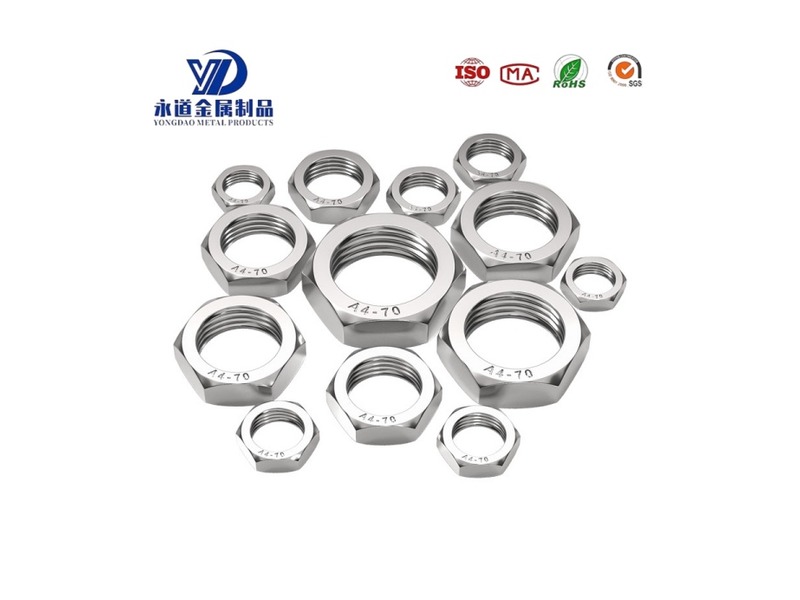 Stainless Steel Thin Hex Nut
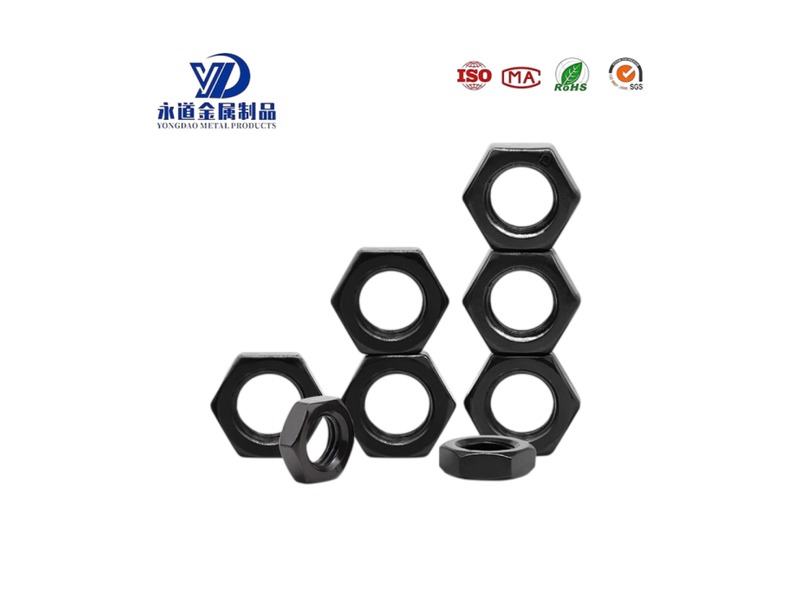 Black Oxide Thin Hex Nut
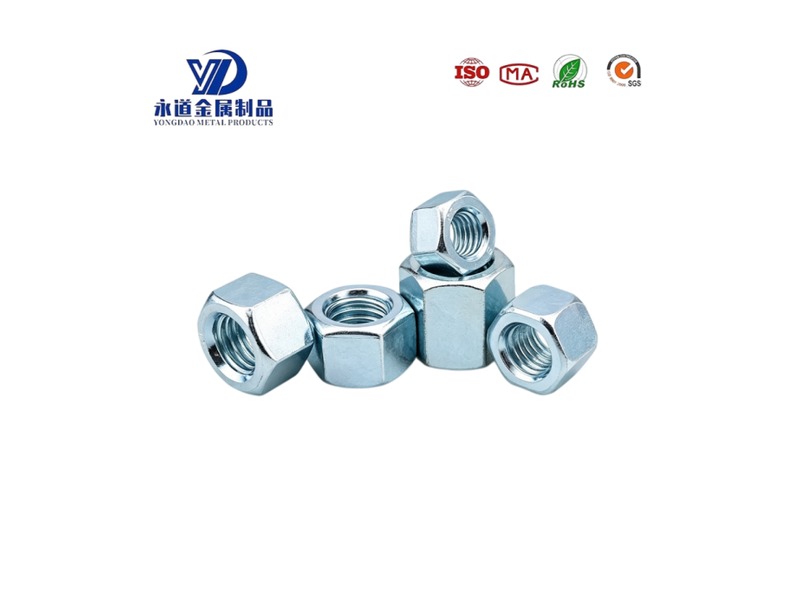 Thick (Heavy) Hex Nut
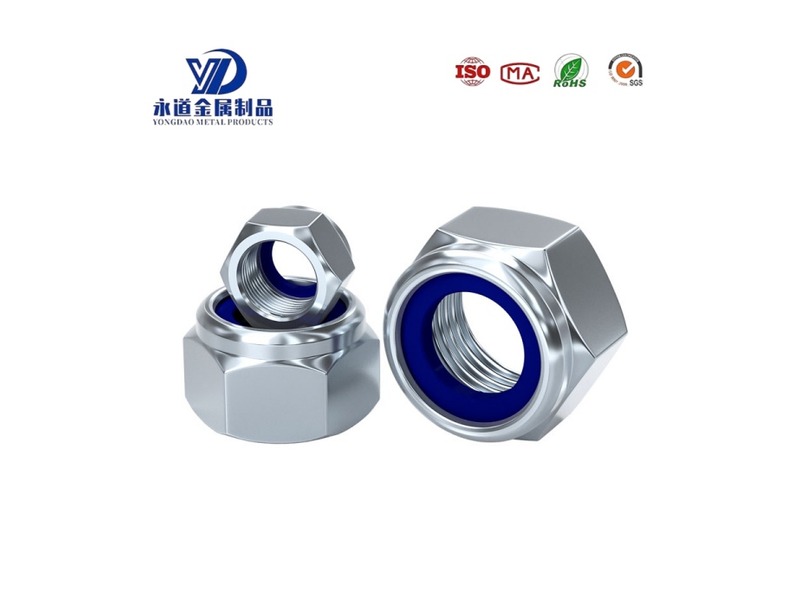 Carbon Steel Zinc-Plated Nylon Insert Lock Nut
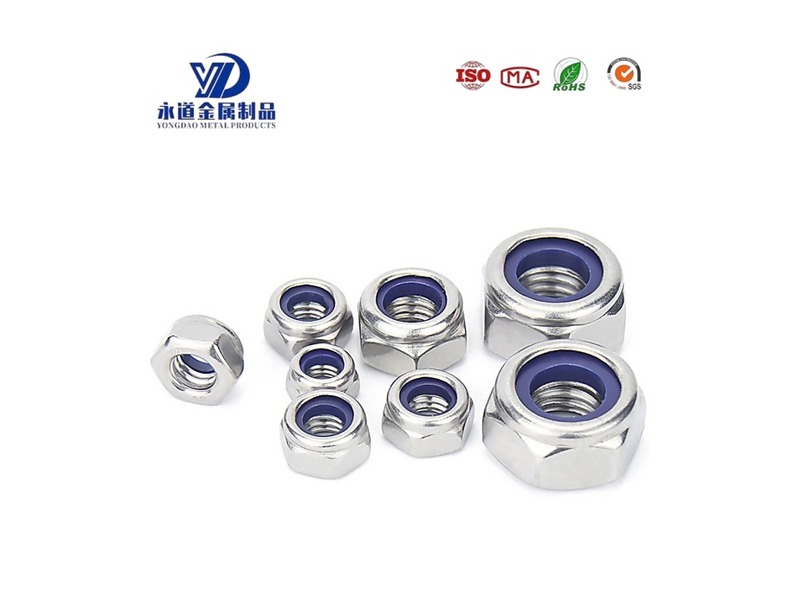 Stainless Steel Nylon Insert Lock Nut
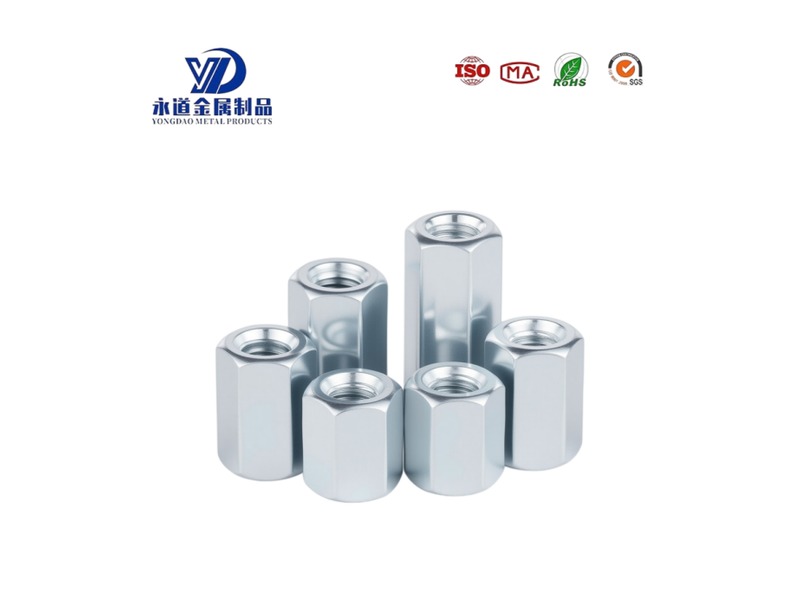 Carbon Steel Long Hex Zinc-Plated Coupling Nut
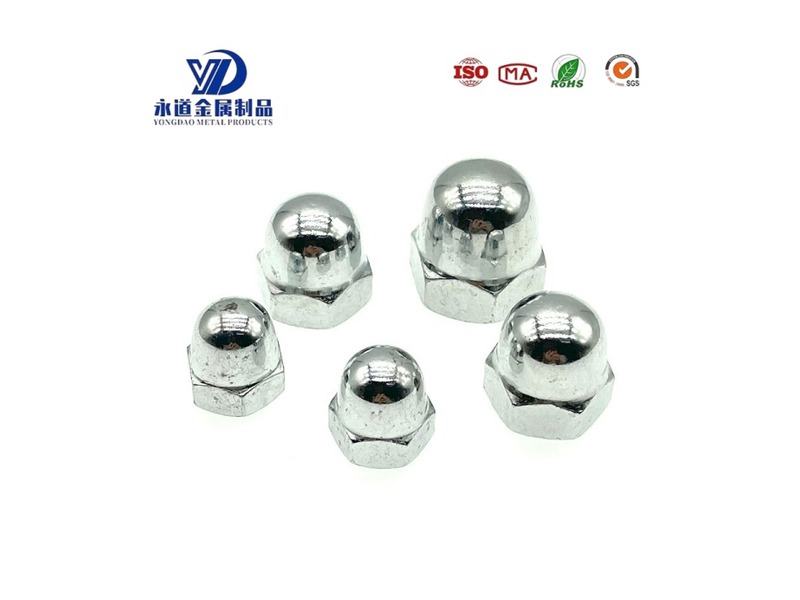 Carbon Steel Zinc-Plated Cap Nut
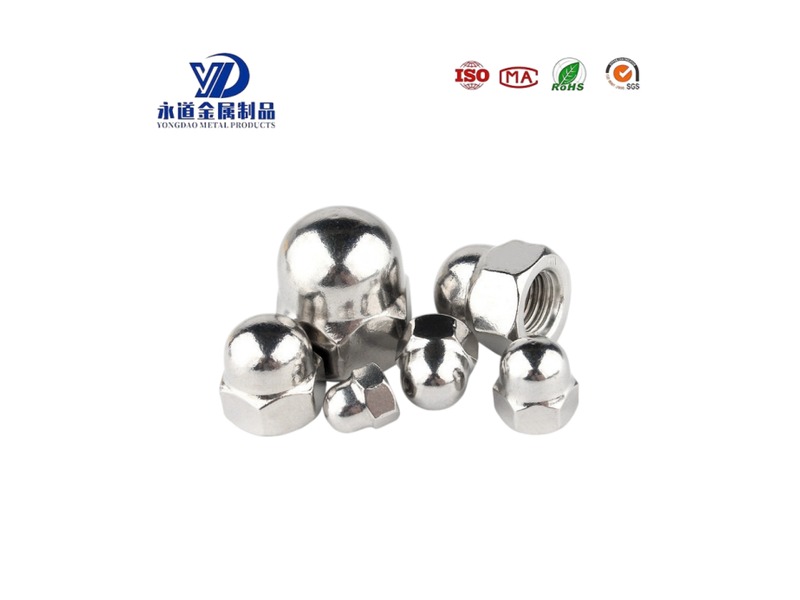 Stainless Steel Cap Nut
Frequently Asked Questions
Common questions about production, customization and orders
Does a flange nut replace a washer?
In most joints yes. The integrated flange enlarges the bearing area. Where the hole is oversized or the surface is soft, a hardened washer is still recommended.
What is the difference between serrated and smooth flange nuts?
A serrated flange bites the surface and resists loosening but marks it; a smooth flange suits painted, visible or aluminium parts. Smooth is the standard version here.
Which grade should I use with 8.8 bolts?
Grade 8 flange nuts match 8.8 bolts, grade 4 matches 4.6 or 4.8. The nut should not become the weakest part of the joint.
Why does the flange nut loosen on a curved surface?
The flange contacts on one edge only, so clamp load is uneven. Correct the seating surface or add a washer rather than increasing torque.
Do you supply flange bolts in the same finish?
Yes. Flange bolts, flange nuts and washers are produced in the same plant so class and coating stay consistent across the joint.
What are MOQ and lead times?
MOQ 1,000 pieces per size, about 7 days for stock and 15 to 25 days for batch production depending on size and finish.