
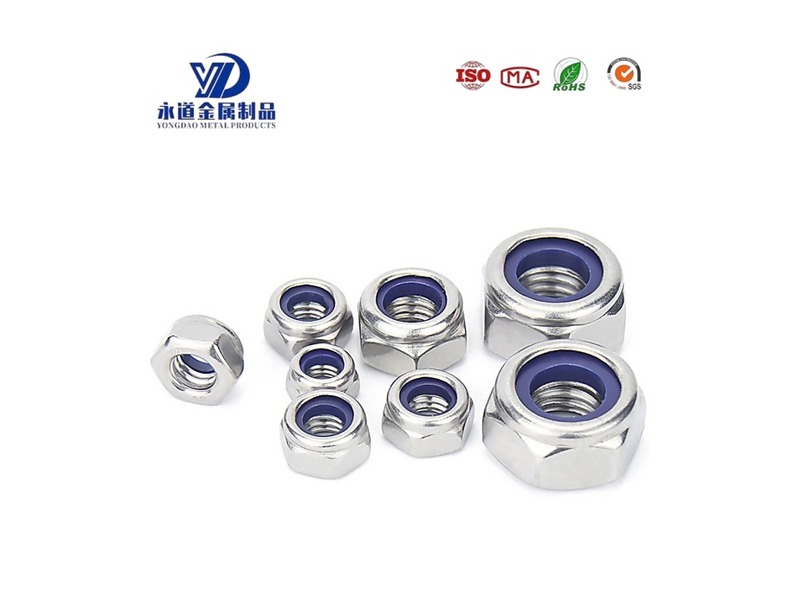
Stainless Steel Nylon Insert Lock Nut
Nylon insert lock nut to DIN 985 in stainless steel A2-70, M3~M24, for wet, marine and clean-environment joints that must resist vibration
Product parameters
- Product NameStainless Steel Nylon Insert Lock Nut
- CategoryNut / Nylon Insert Lock Nut
- BrandYONGDAO METAL
- Surface FinishPlain (uncoated)
- MaterialStainless Steel
- Size RangeM3~M24
- GradeA2-70
- StandardDIN 985
- MOQ1000 pcs
- OriginHandan, Hebei, China
Items marked "—" are subject to confirmation by actual inquiry; please contact us by email or phone for detailed specifications and quotations.
Product introduction
This lock nut combines a stainless steel A2-70 body with the polyamide insert of DIN 985, giving corrosion resistance and prevailing torque in one part. The sizes run M3 to M24 and the nut is supplied uncoated, because the alloy provides the protection. It is the standard choice for marine fittings, water and wastewater plant, food and beverage equipment, outdoor signage and architectural hardware, where a plated nut would corrode or contaminate the product and a plain nut would work loose.
The stainless body changes the assembly behaviour in one important way: galling. Stainless threads can cold-weld under load, especially when a nut is run down fast onto a stainless bolt. The insert helps here, since it separates the engaging surfaces and reduces metal-to-metal contact, but the pairing should still be stainless on stainless with a suitable lubricant, low tightening speed and controlled torque. Never use a stainless lock nut on a carbon steel bolt in a wet environment; the small anode area of the thread will corrode quickly.
Insert temperature limits are the same as the carbon steel version: the polyamide softens above roughly 120 C, so the nut is for ambient service. That covers most marine, food and water applications, but not steam lines, engine exhausts or hot process equipment. For those, an all-metal stainless lock nut should be specified. The insert also gives a degree of thread sealing, which is useful on equipment that is washed down and on outdoor fittings exposed to rain and spray.
Because DIN 985 nuts are lower than standard nuts, the proof load is lower than a DIN 934 nut of the same size and grade. They are intended for brackets, panels, covers, guards, instruments and adjustable fittings rather than primary structural joints, and where a joint is heavily loaded the right answer is a full-height nut with a separate locking method. Thread engagement of at least one nominal diameter still applies, and the bolt should be long enough for the insert to be fully engaged.
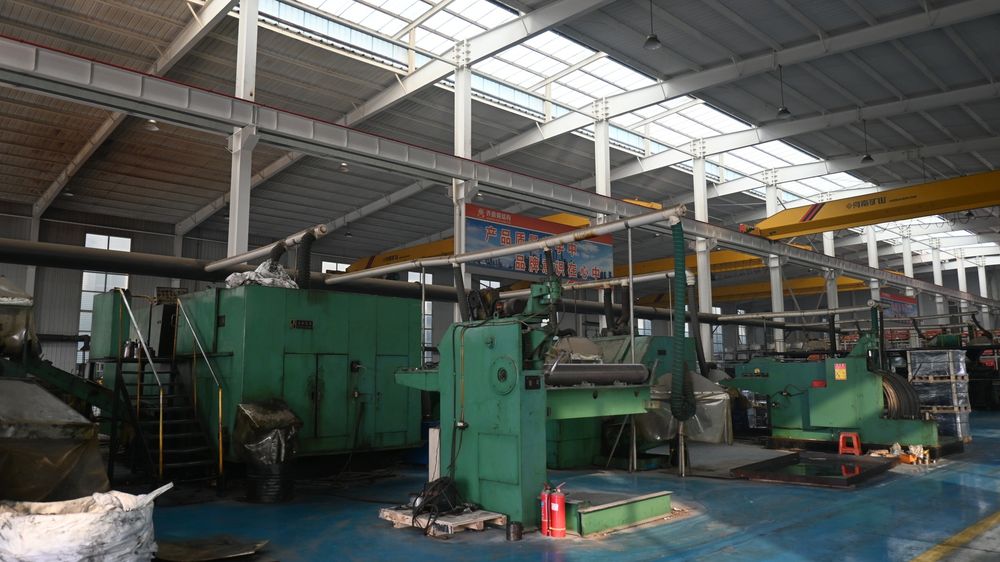
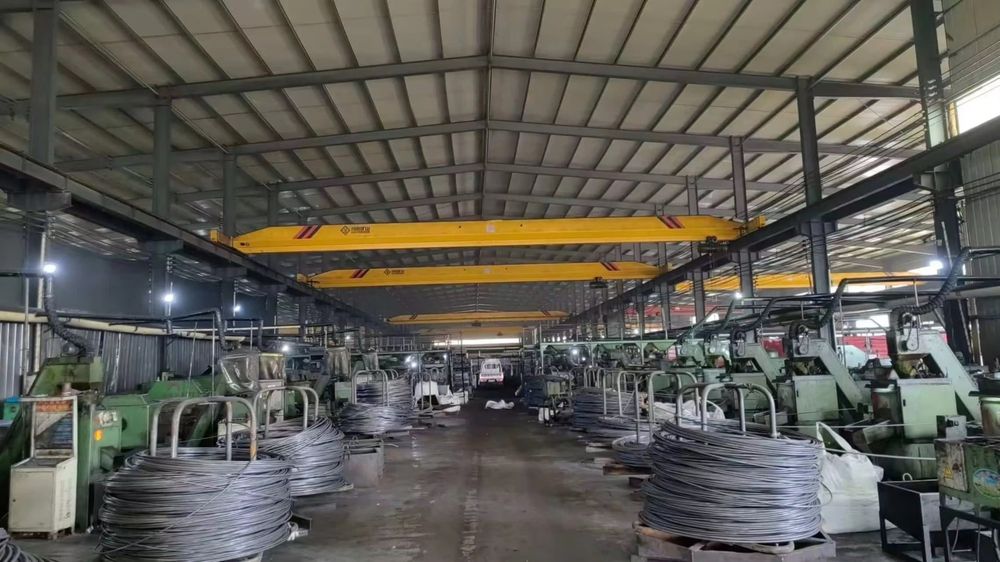
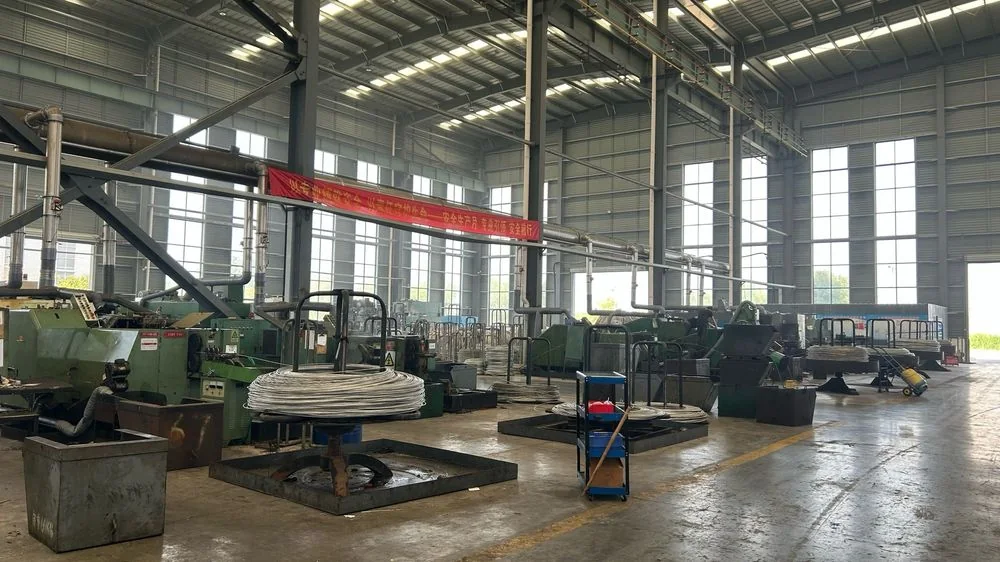
Handan Yongdao Metal Products Co., Ltd. produces the range in a plant of about 20,000 square metres with roughly 300 staff and an annual capacity near 25,000 tons. The quality system is ISO 9001 certified, with thread gauging at about 99.8% first-pass acceptance, dimensions held at CPK 1.33 or better, prevailing torque checked on samples and on-time delivery around 98.5%.
Terms are MOQ 1,000 pieces per size, 7-day dispatch on stock sizes, and 15 to 25 days for batch production. OEM options include grade such as A2-70 or A4-80, passivation, marking and neutral branded packaging, and matching stainless bolts and washers are available so the joint uses one alloy throughout. Typical uses are marine and shipbuilding equipment, water treatment, food processing machinery, outdoor furniture and architectural fittings.
Cleanliness pays off with stainless lock nuts. Rinse and dry components that have been machined or pickled, keep the insert free of cutting fluid and metal dust, and store the nuts in closed packing. Contamination on the insert reduces grip and, on stainless, can start crevice corrosion exactly where it is hardest to see once the joint is assembled.
Applications
FACTORY TOUR
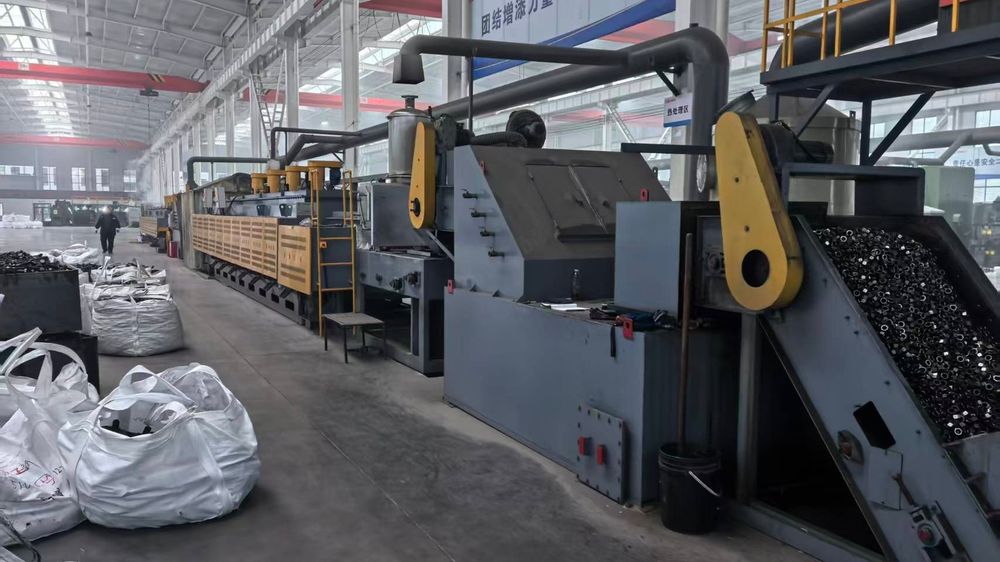
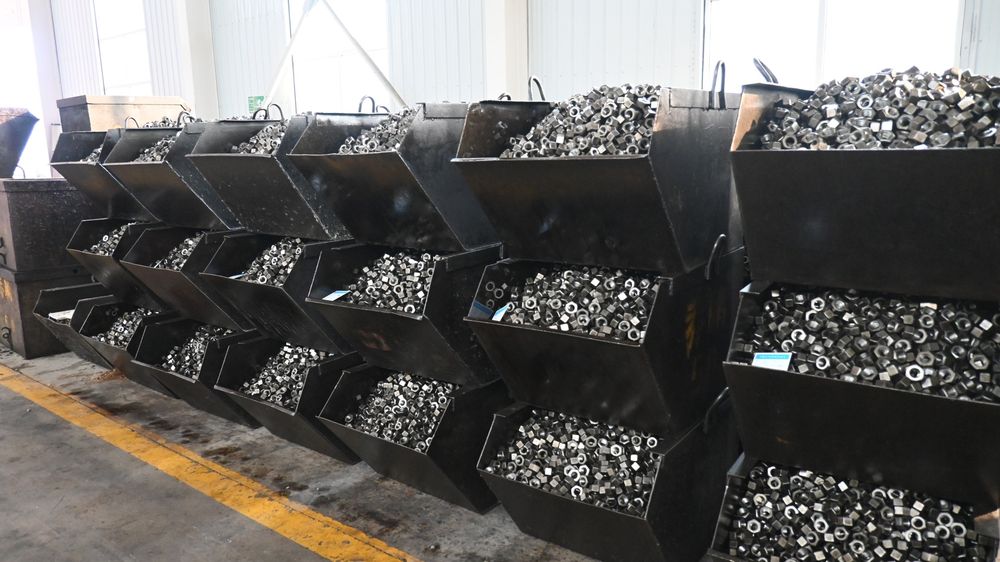
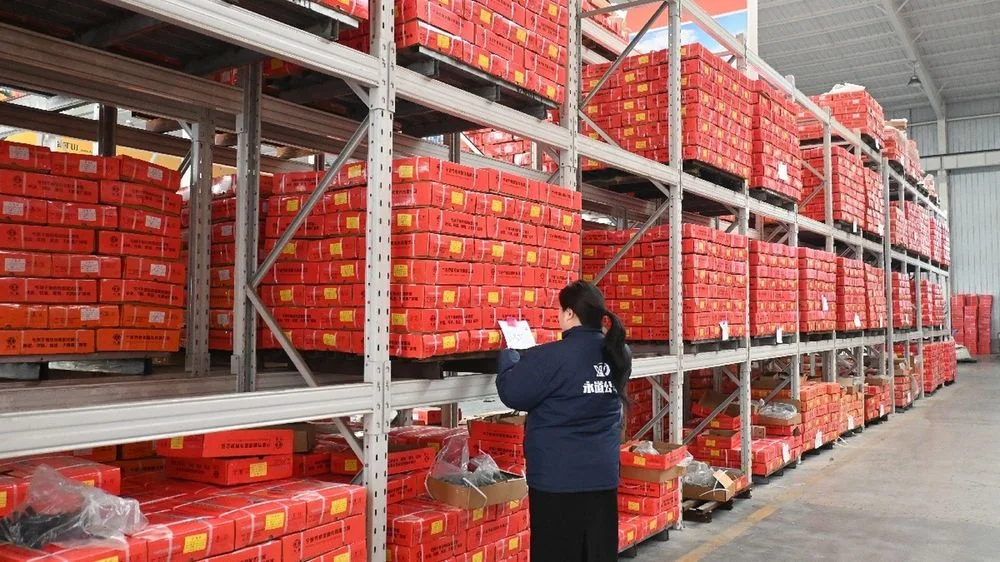
PACKING & DELIVERY
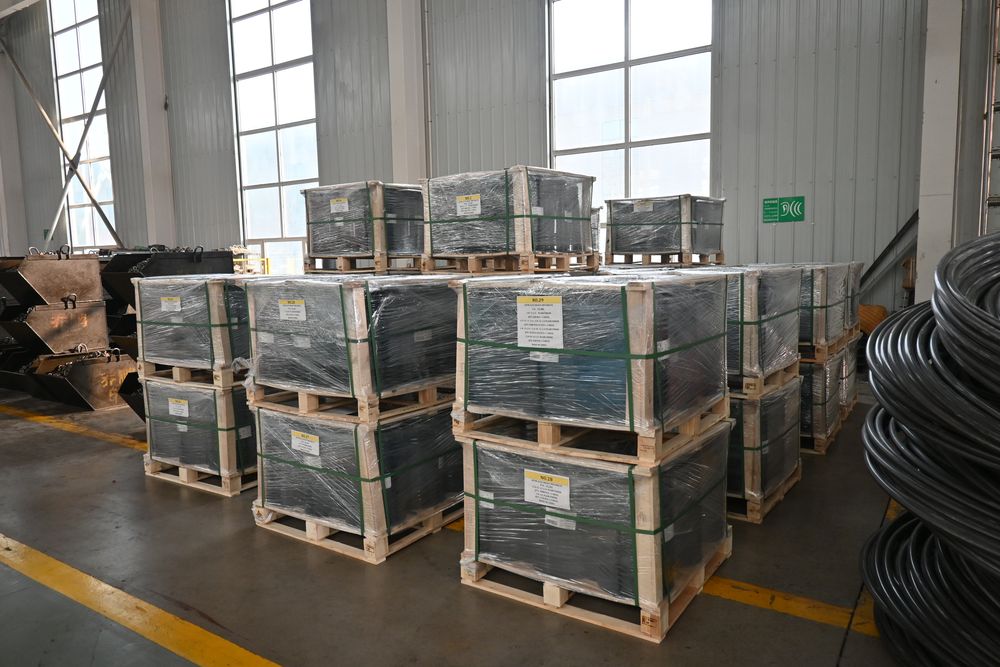
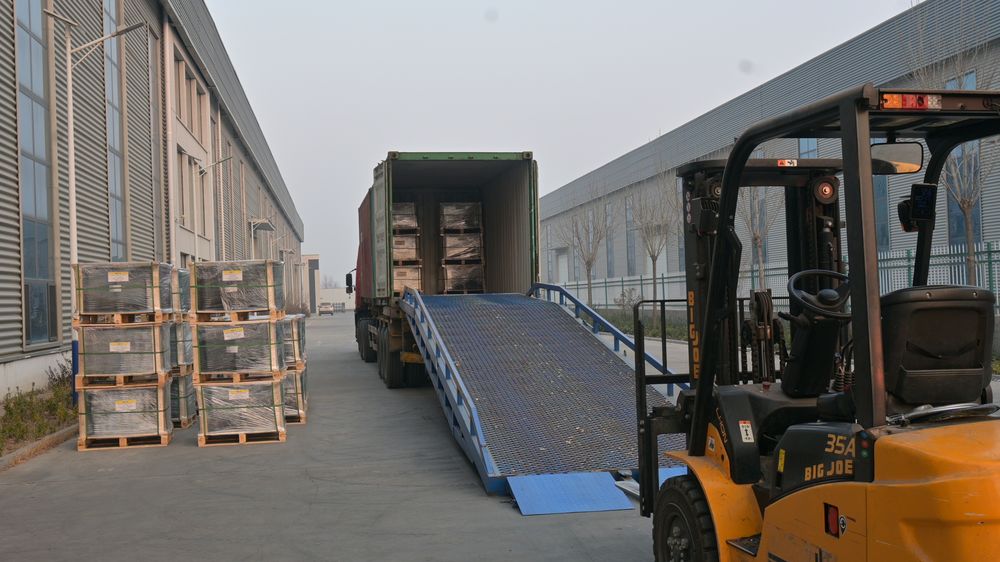
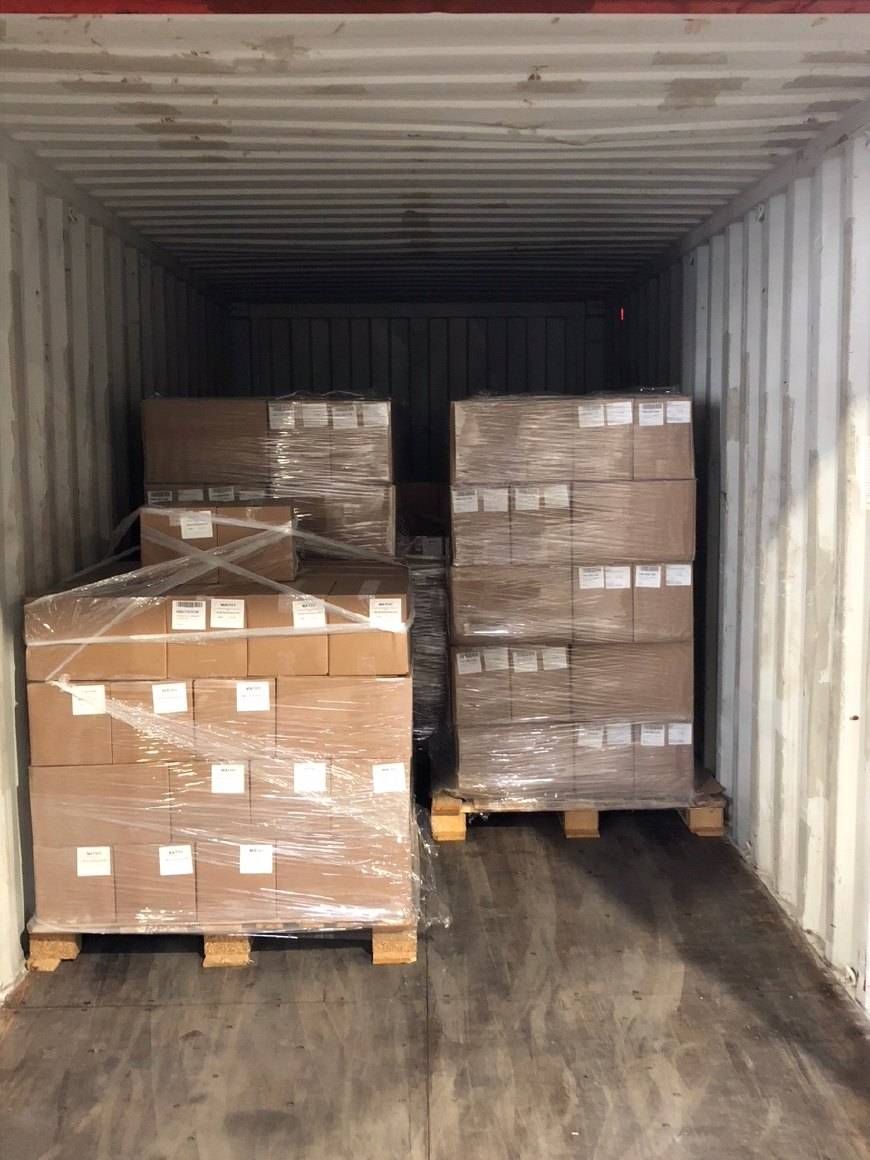

Customized delivery process
Order precautions
Before placing an order, please confirm the required product category with our sales or service staff. Customized products are not eligible for return or exchange; ex-works prices do not include taxes or freight. Every batch is strictly inspected before shipment, and minor imperfections are not considered quality problems. Please check the goods carefully upon receipt and contact us promptly if you have any questions.
- 1Provide custom drawings
- 2Choose material
- 3Get a quotation
- 4Sign the contract
- 5Production
- 6Packing & shipping
- 7Confirm receipt
- 8Order completed
Product inquiry
Related products
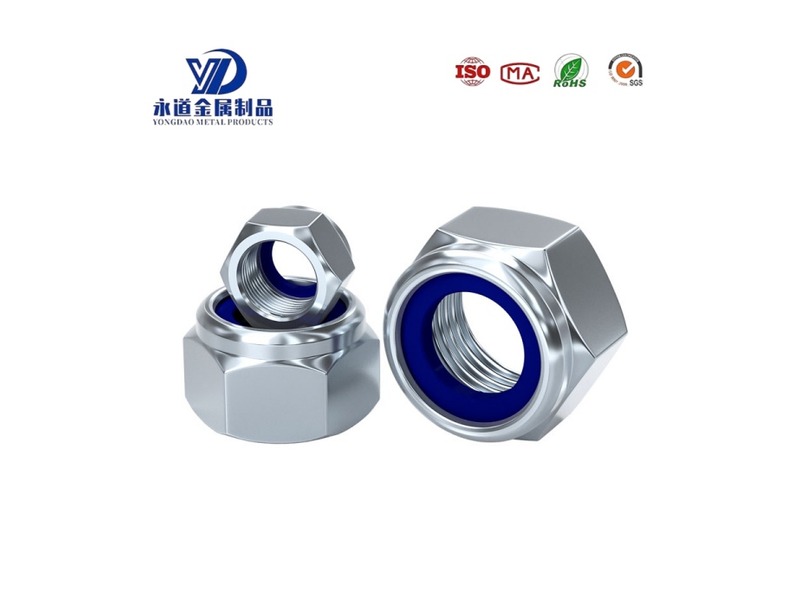 Carbon Steel Zinc-Plated Nylon Insert Lock Nut
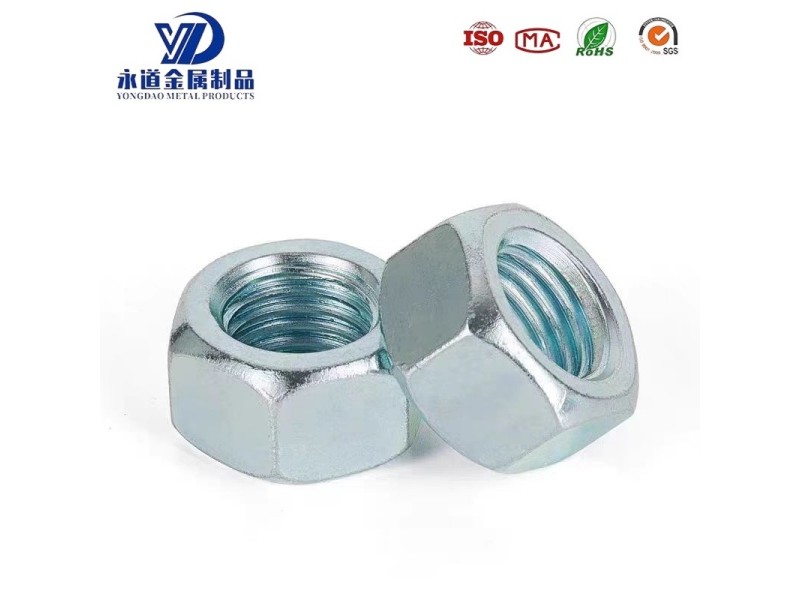 Grade 4/8 Carbon Steel Zinc-Plated Hex Nut
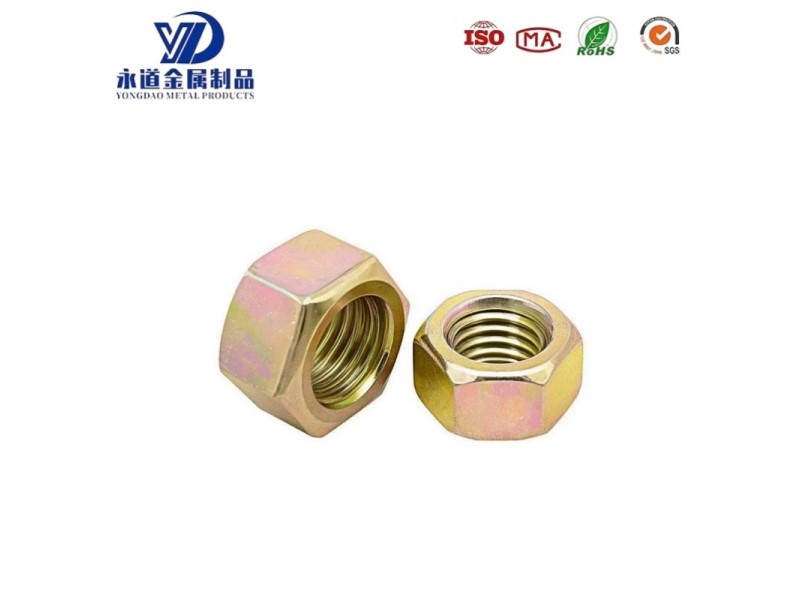 Grade 4/8 Carbon Steel Yellow Zinc-Plated Hex Nut
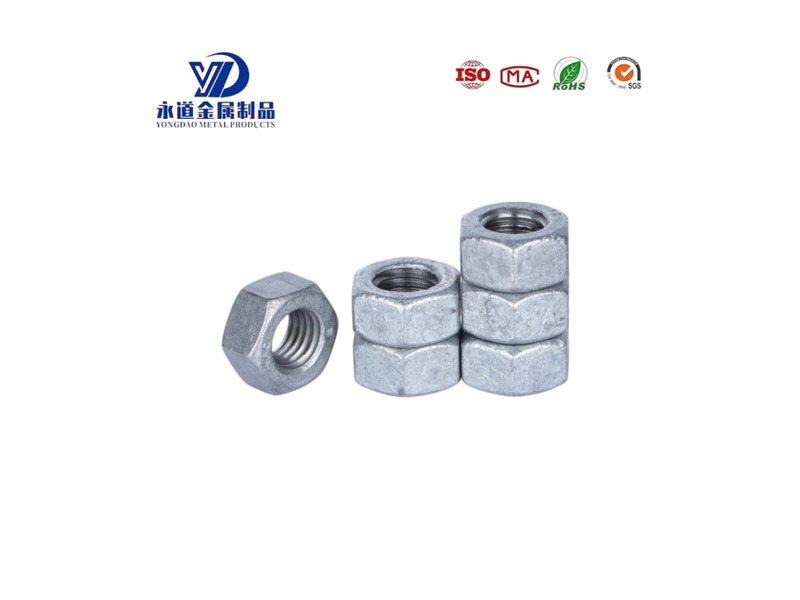 Grade 4/8/10/12 Carbon Steel Hot-Dip Galvanized Hex Nut
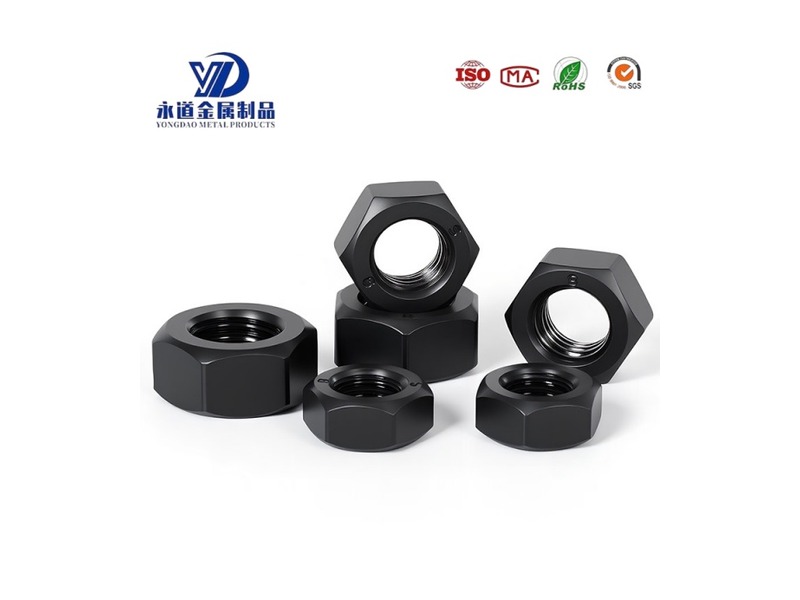 Grade 4/8/10/12 Carbon Steel Black Oxide Hex Nut
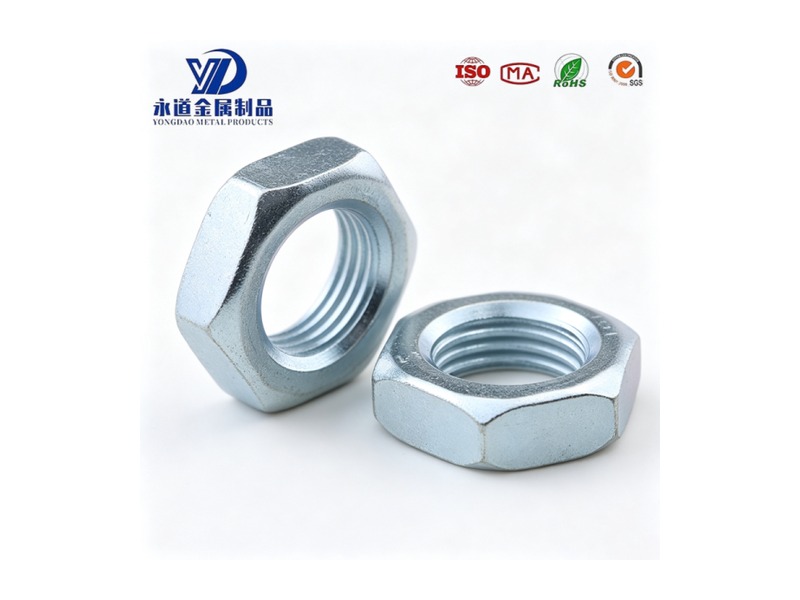 Zinc-Plated Thin Hex Nut
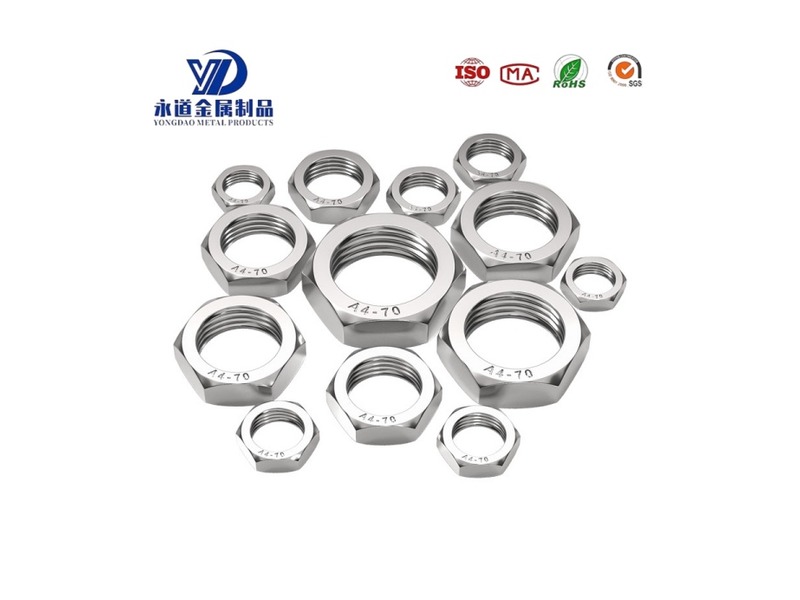 Stainless Steel Thin Hex Nut
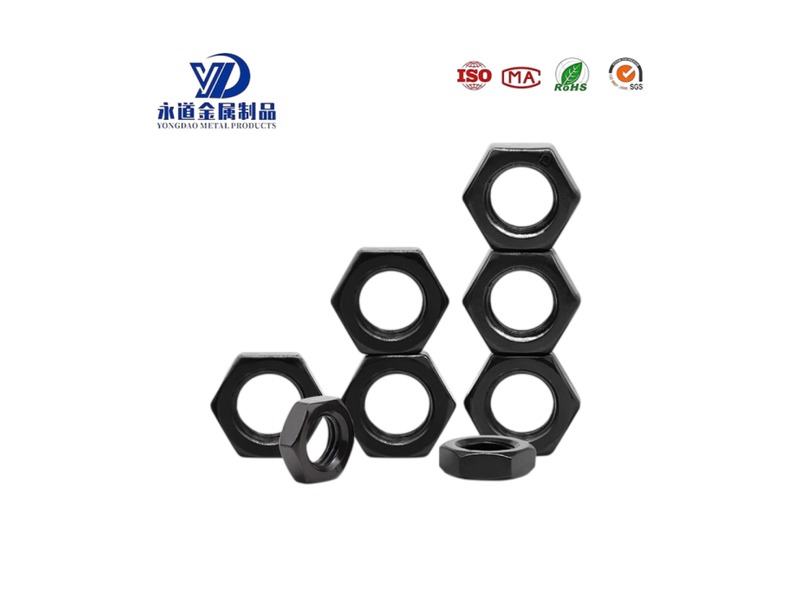 Black Oxide Thin Hex Nut
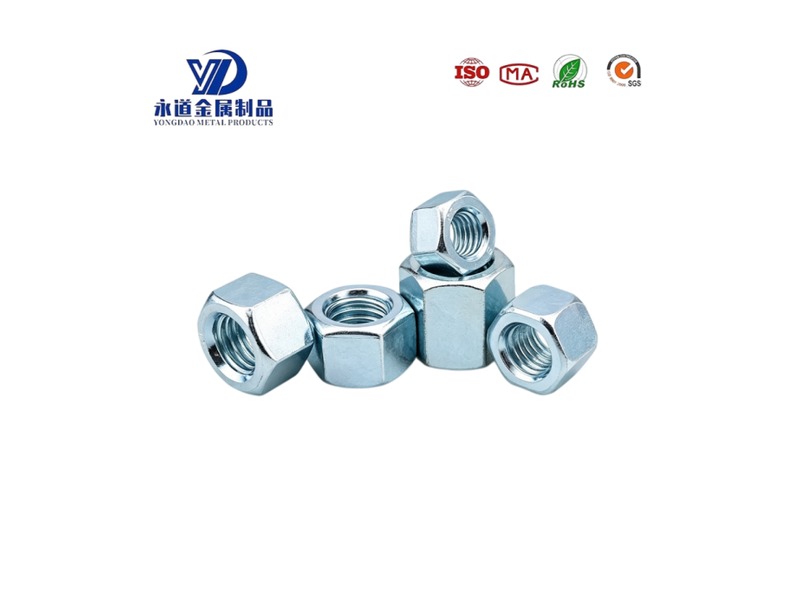 Thick (Heavy) Hex Nut
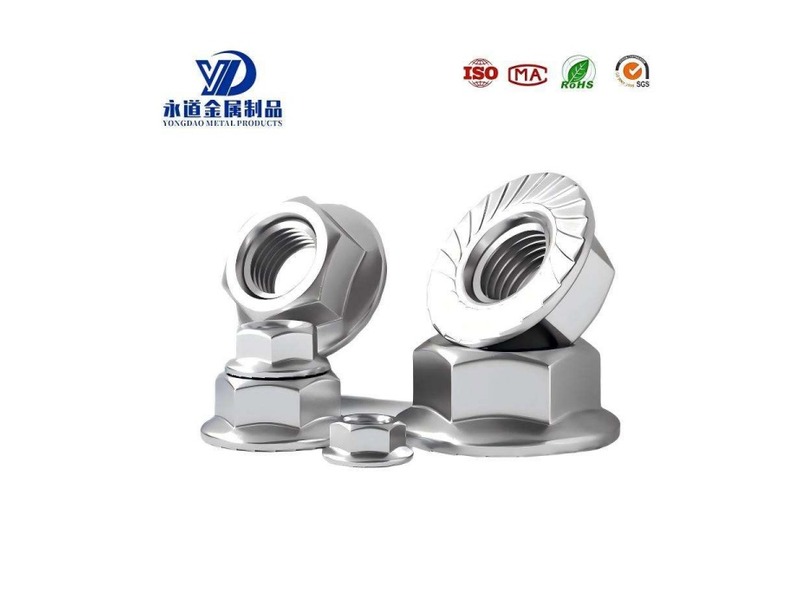 Grade 4/8 Carbon Steel Zinc-Plated Flange Nut
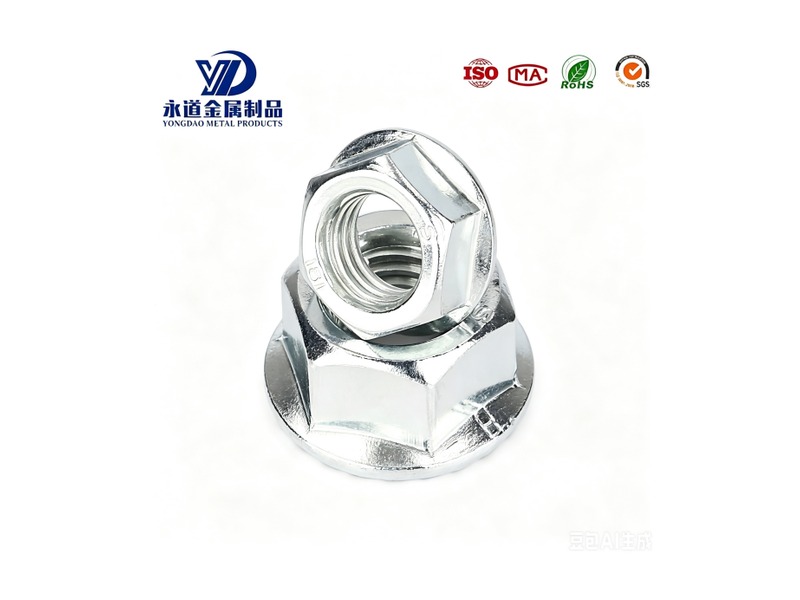 Grade 4/8 Carbon Steel Yellow Zinc-Plated Flange Nut
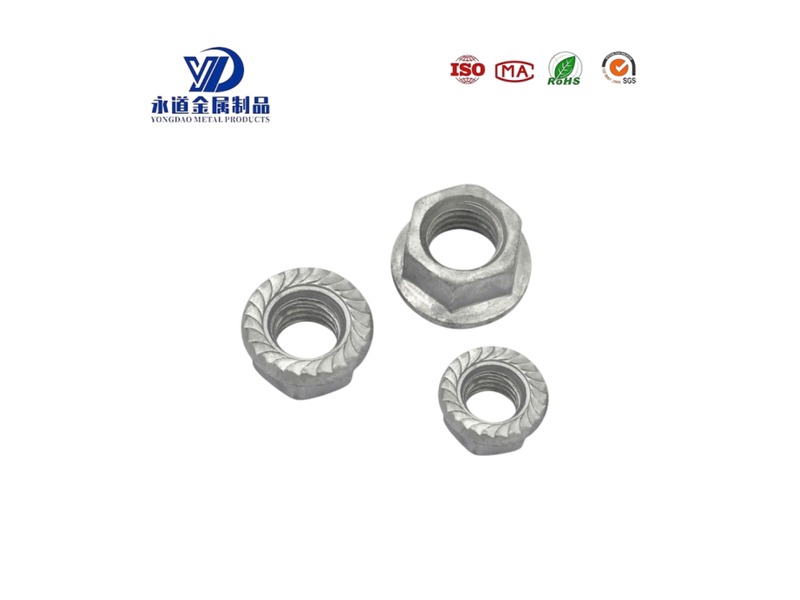 Grade 4/8/10 Carbon Steel Hot-Dip Galvanized Flange Nut
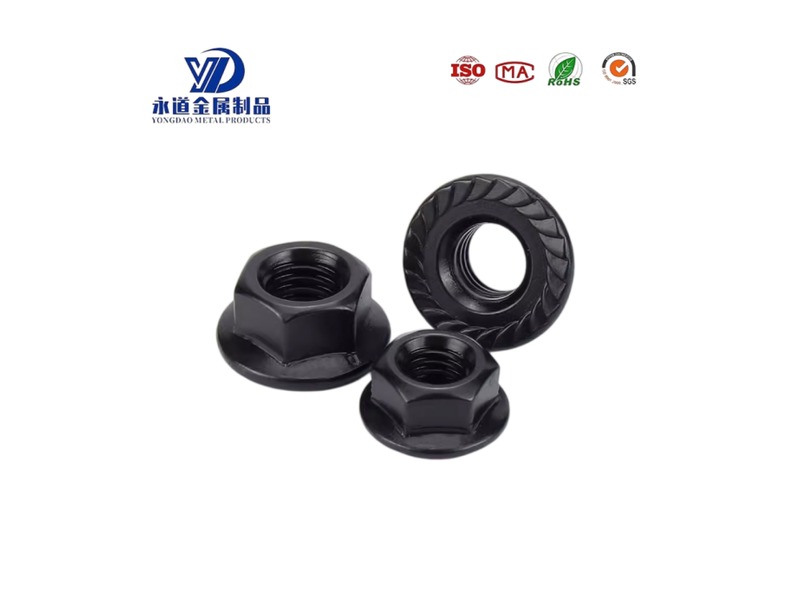 Grade 4/8/10/12 Carbon Steel Black Oxide Flange Nut
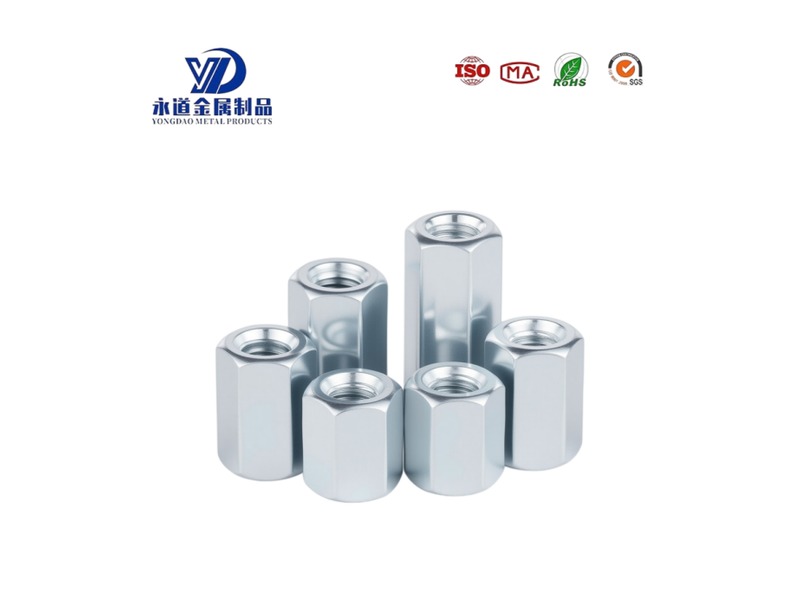 Carbon Steel Long Hex Zinc-Plated Coupling Nut
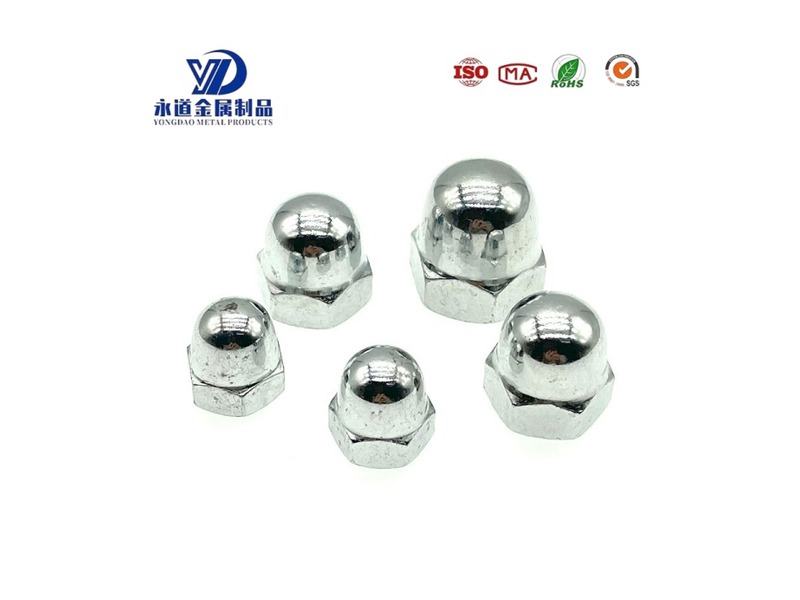 Carbon Steel Zinc-Plated Cap Nut
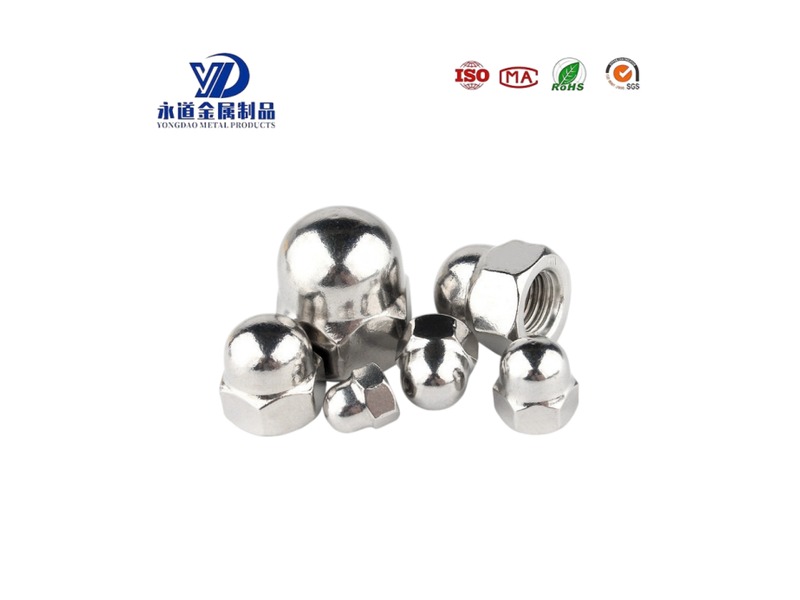 Stainless Steel Cap Nut
Frequently Asked Questions
Common questions about production, customization and orders
Why use a stainless lock nut instead of a plated one?
The alloy resists corrosion in wet, marine and wash-down service without a coating that can be damaged, and no zinc or plating can contaminate the product.
Does the insert prevent galling?
It reduces metal-to-metal contact, but stainless threads can still gall. Use a matched stainless bolt, suitable lubricant and moderate tightening speed.
Can it be used on a carbon steel bolt?
Not in wet service. The stainless nut would act as a small cathode and the steel thread would corrode quickly. Keep the joint one alloy.
What is the maximum service temperature?
The polyamide insert limits service to roughly 120 C. Above that, specify an all-metal stainless lock nut.
Can it replace a structural nut?
No. DIN 985 nuts are lower in height with lower proof load. Use a full-height nut for primary structural joints.
What are MOQ and lead times?
MOQ 1,000 pieces per size, about 7 days for stock sizes, and 15 to 25 days for batch production.