
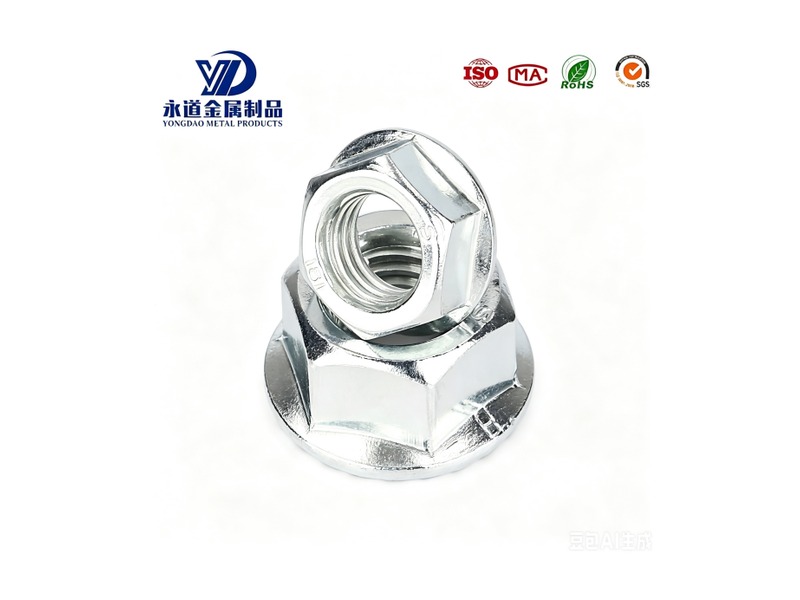
Grade 4/8 Carbon Steel Yellow Zinc-Plated Flange Nut
Hexagon flange nut to DIN 6923, carbon steel grade 4/8, yellow zinc-plated, M6~M20, with an integrated collar and a passivated coating for humid storage
Product parameters
- Product NameGrade 4/8 Carbon Steel Yellow Zinc-Plated Flange Nut
- CategoryNut / Hex Flange Nut
- BrandYONGDAO METAL
- Surface FinishYellow zinc-plated
- MaterialCarbon Steel
- Size RangeM6~M20
- GradeGrade 4 / Grade 8
- StandardDIN 6923
- MOQ1000 pcs
- OriginHandan, Hebei, China
Items marked "—" are subject to confirmation by actual inquiry; please contact us by email or phone for detailed specifications and quotations.
Product introduction
This flange nut follows DIN 6923 in dimensions and adds a yellow passivated zinc coating to the carbon steel body. The flange spreads clamp load and removes the separate washer from the bill of materials, while the yellow coating gives better resistance to white corrosion during humid storage and sea freight than plain clear zinc. Sizes run M6 to M20 in classes 4 and 8, with a smooth flange as the standard configuration and a serrated version available on request.
The coating also shifts friction slightly downward, so a joint will develop a little more clamp load at the same torque than an equivalent clear zinc nut. That is welcome on preset production tools but it means torque settings should be verified when a finish is changed, not carried over from an older drawing. Where a customer requires a specific friction window, we can supply with a controlled lubricant and state the coefficient on the inspection documents so the assembly line can set the tool with confidence.
In application terms this nut suits machinery, automotive and transport equipment, shelving, doors and windows and curtain wall framing, all of which are assembled indoors or shipped in containers. It is not intended for exposed structural steelwork, where hot-dip galvanized flange nuts are the correct specification. The flange itself should bear on a flat, clean surface: paint runs, weld spatter or burrs under the collar will tilt the nut, concentrate load on one side and reduce the useful preload in the joint.
Assembly practice follows the standard rules. Thread engagement of at least one nominal diameter, nut running free by hand, class matched to bolt class, and a calibrated wrench on loaded or vibration-prone joints. Because a flange nut is often used on thin sheet, check that the flange diameter covers the contact area; if the hole is large relative to the nut, a washer with a bigger outside diameter prevents the collar from dishing into the panel and losing preload.
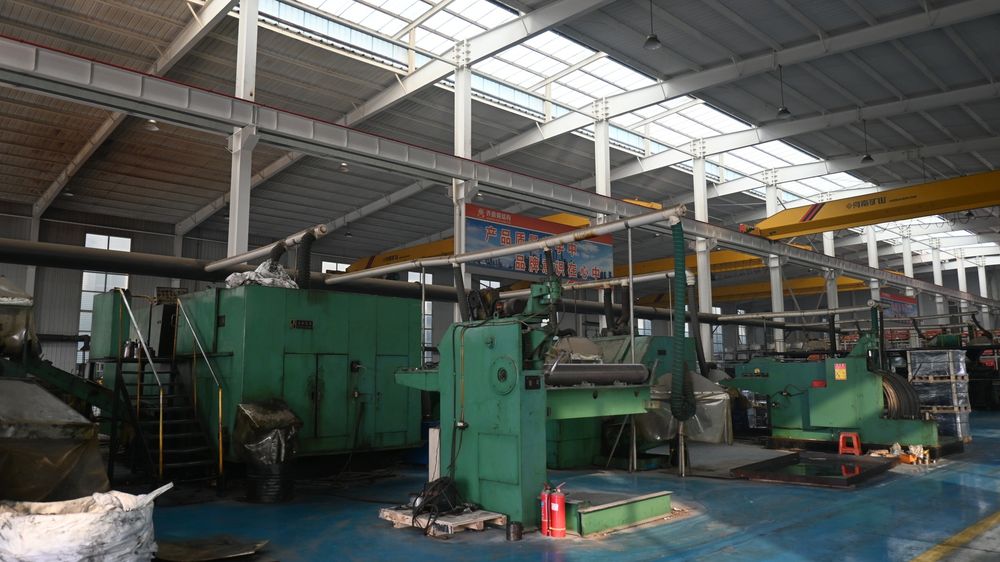
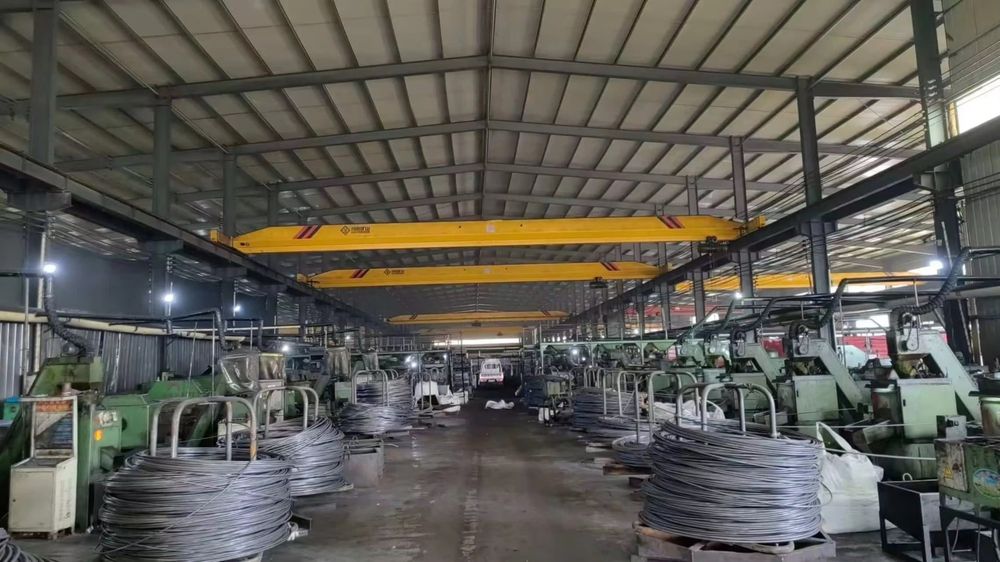
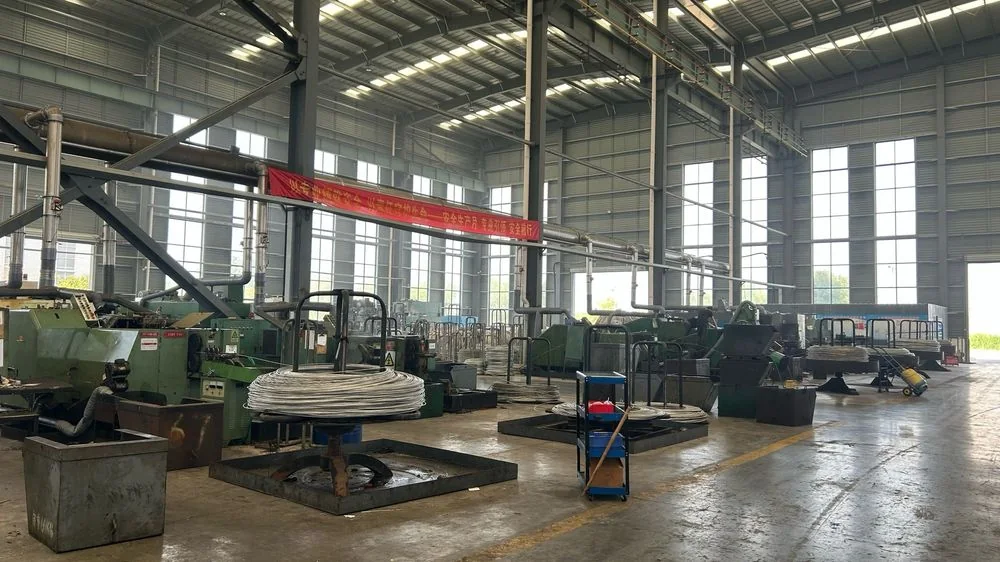
Production is at Handan Yongdao Metal Products Co., Ltd., about 20,000 square metres, roughly 300 employees, annual capacity near 25,000 tons, with heading, tapping, plating and packing in one plant. ISO 9001 certified; thread gauging at about 99.8% first-pass acceptance, flange dimensions held at CPK 1.33 or better, and on-time delivery around 98.5%.
Terms are MOQ 1,000 pieces per size, about 7 days for stock and 15 to 25 days for batch production. OEM work covers serrated or smooth flange, class, coating thickness, marking and buyer-branded cartons, and matching yellow zinc flange bolts and washers are available. Typical uses are machinery assembly, metal fabrication, automotive and transport parts, window and door hardware and pipework support fixing.
Line trials are worth the effort on visible products. Fit a handful of nuts to the actual component, check that the collar seats fully around its circumference, and confirm the torque with the tool that will be used in production. A joint that looks correct on a bench can still mark a painted panel or crush a thin section once the real torque is applied, and a short trial catches both before the order ships.
Applications
FACTORY TOUR
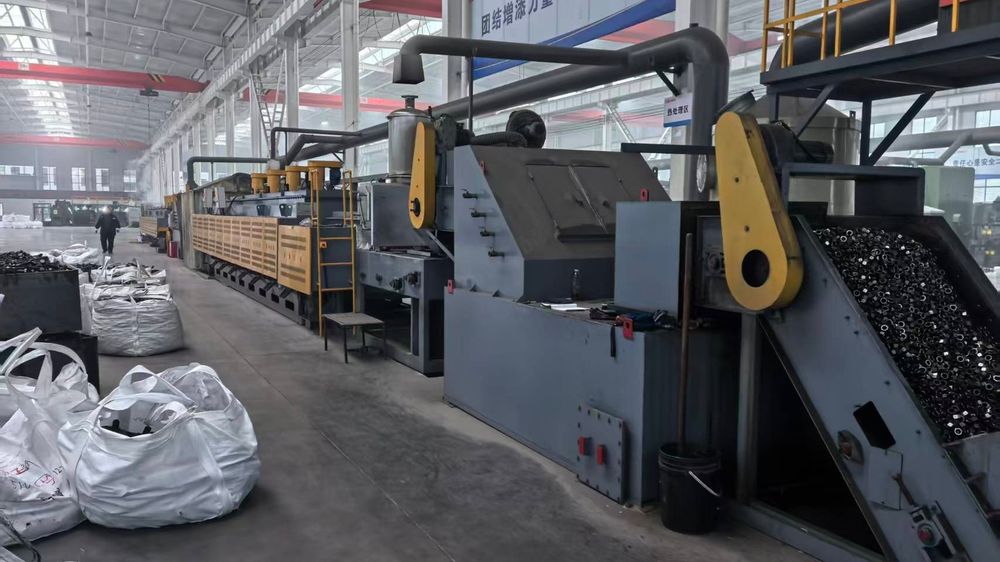
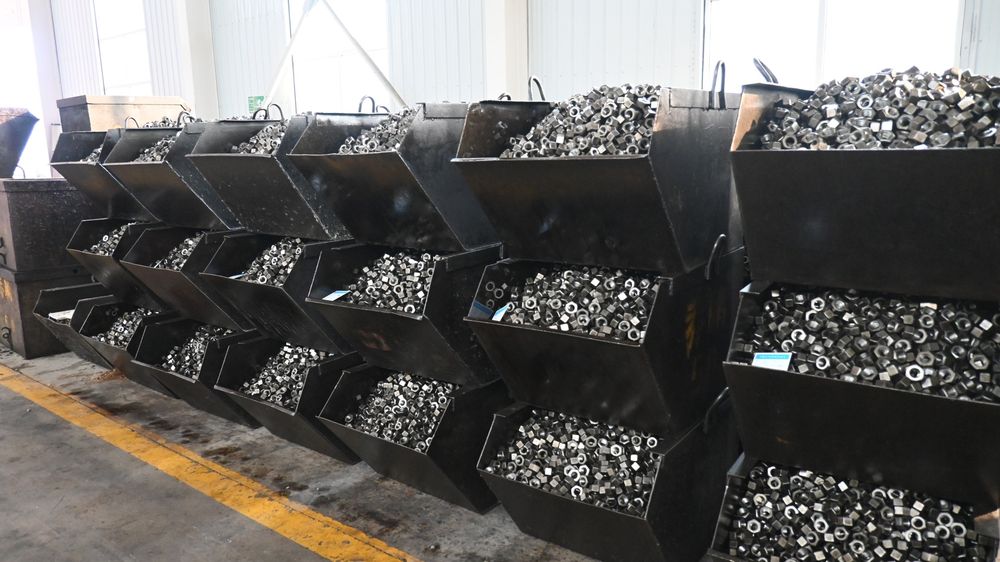
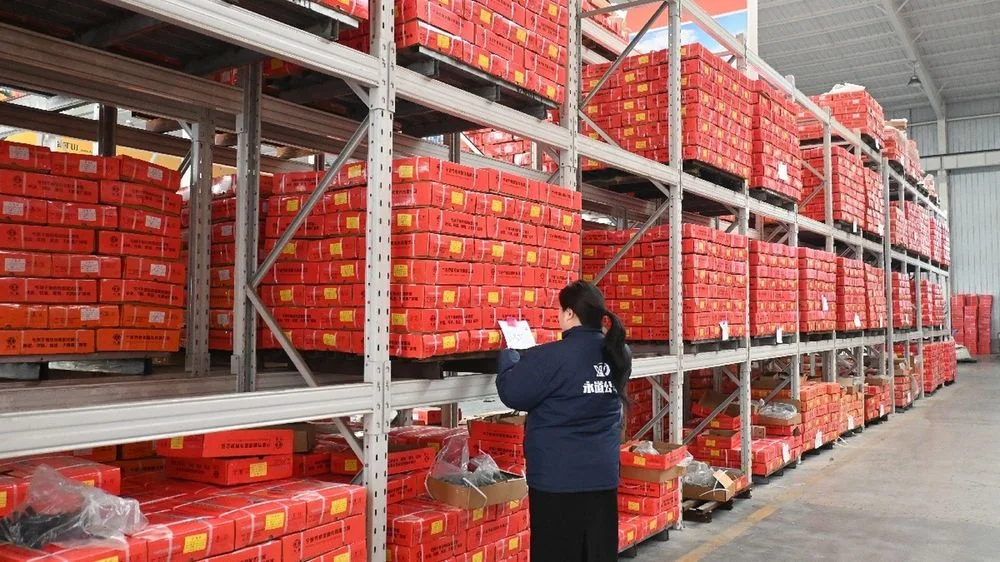
PACKING & DELIVERY
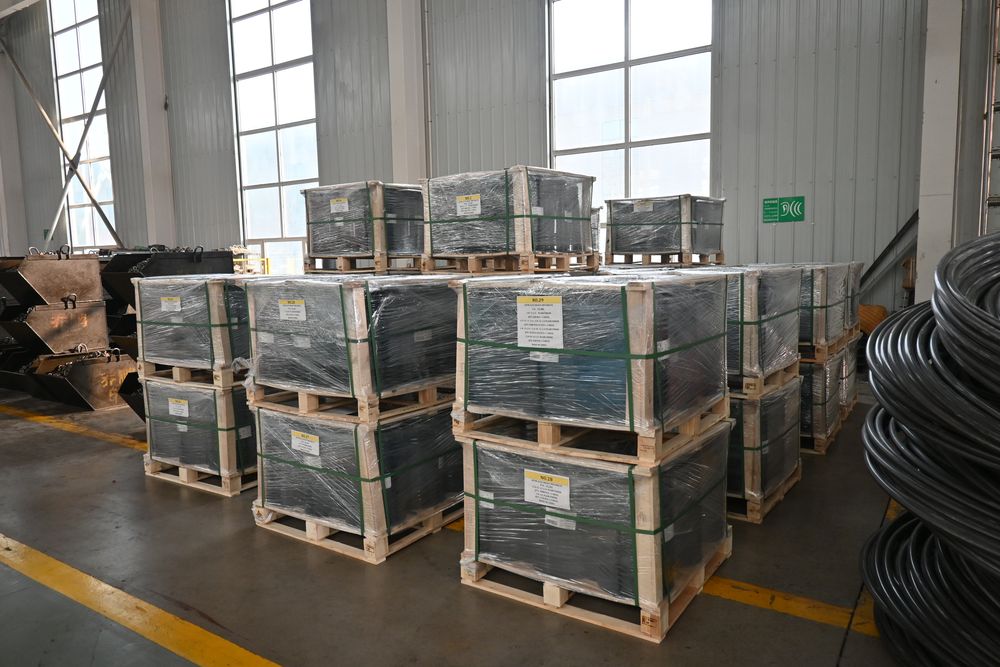
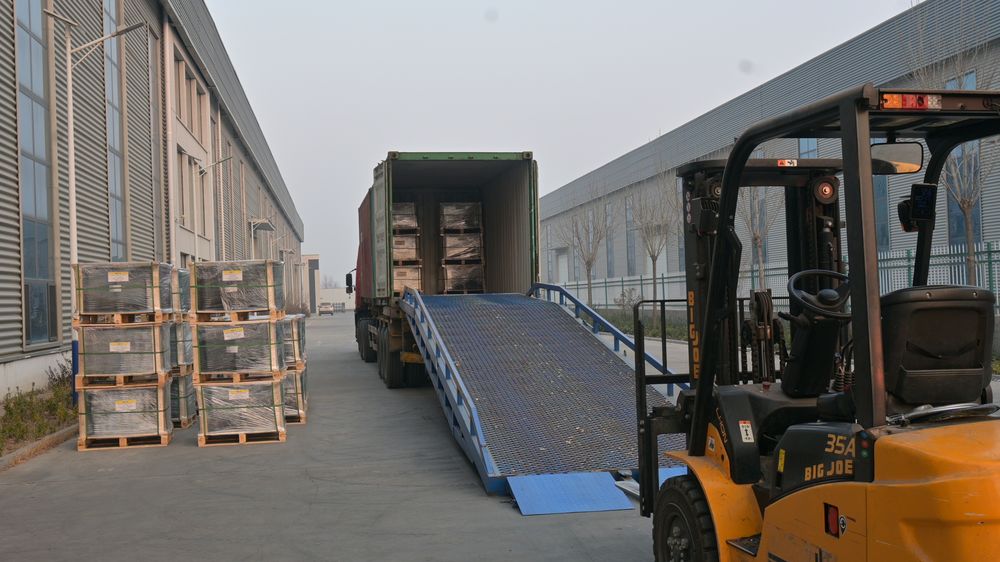
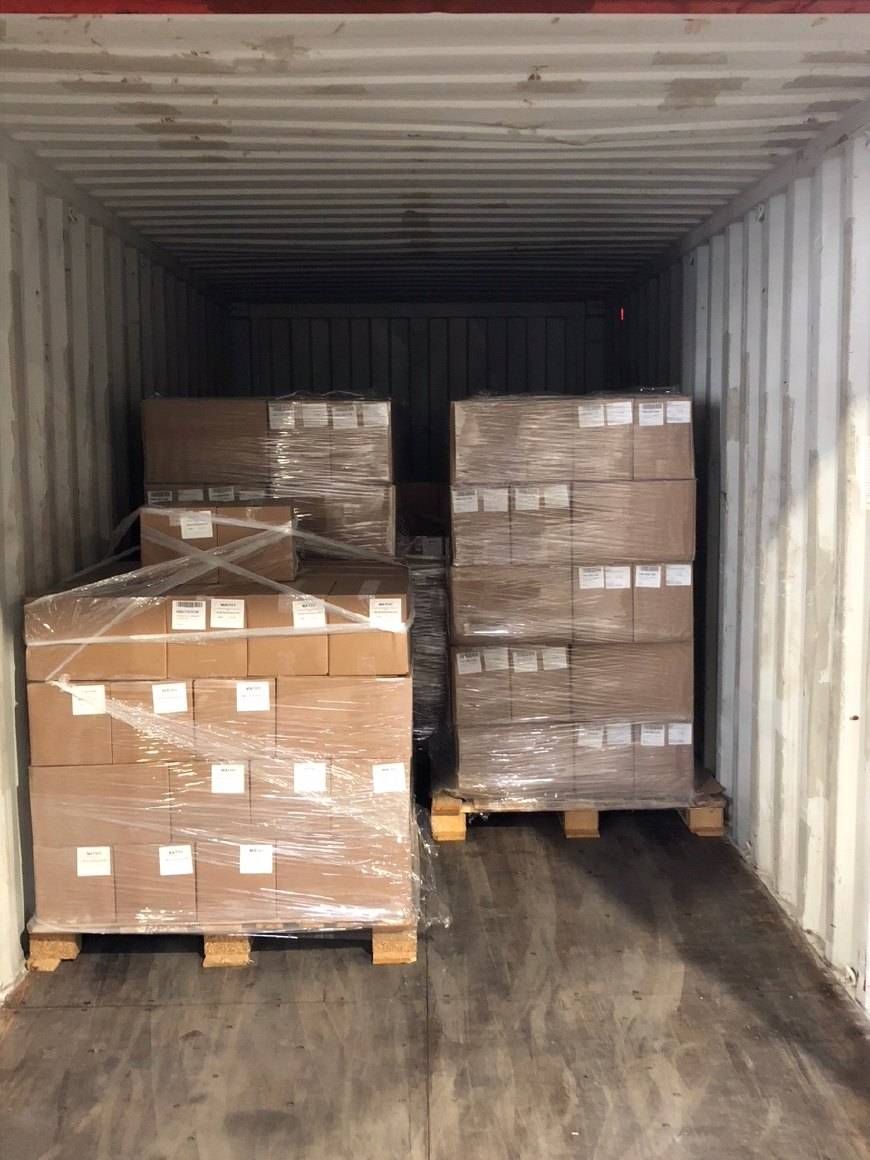

Customized delivery process
Order precautions
Before placing an order, please confirm the required product category with our sales or service staff. Customized products are not eligible for return or exchange; ex-works prices do not include taxes or freight. Every batch is strictly inspected before shipment, and minor imperfections are not considered quality problems. Please check the goods carefully upon receipt and contact us promptly if you have any questions.
- 1Provide custom drawings
- 2Choose material
- 3Get a quotation
- 4Sign the contract
- 5Production
- 6Packing & shipping
- 7Confirm receipt
- 8Order completed
Product inquiry
Related products
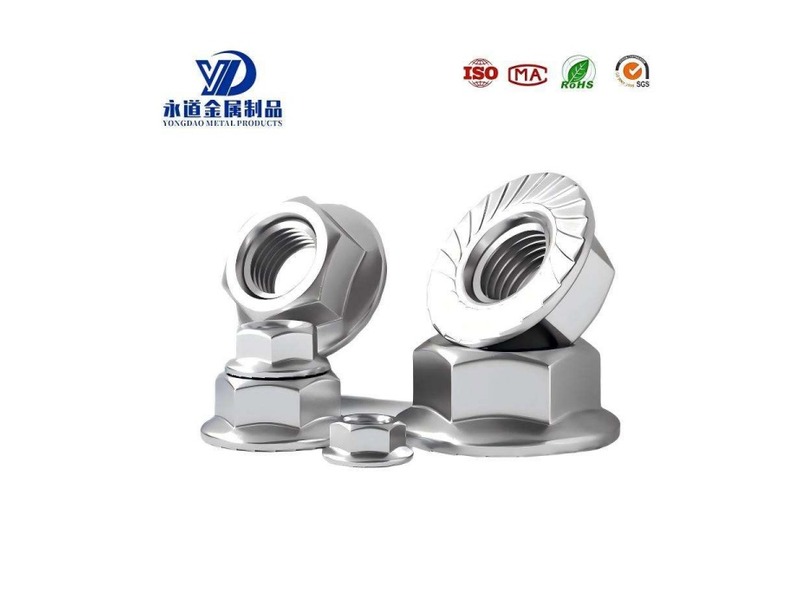 Grade 4/8 Carbon Steel Zinc-Plated Flange Nut
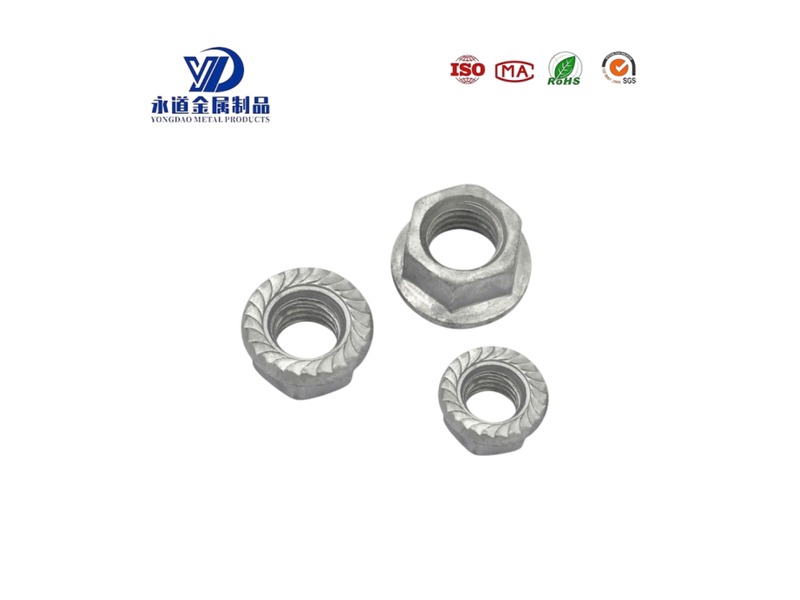 Grade 4/8/10 Carbon Steel Hot-Dip Galvanized Flange Nut
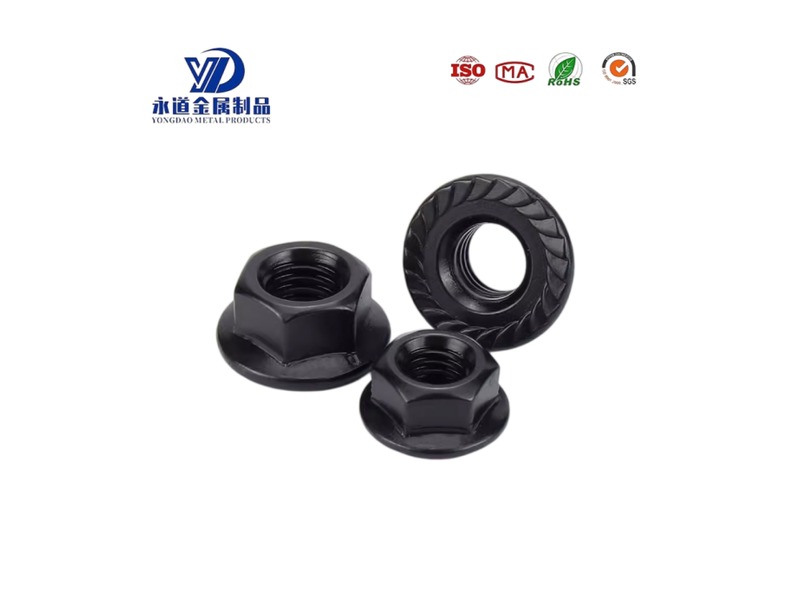 Grade 4/8/10/12 Carbon Steel Black Oxide Flange Nut
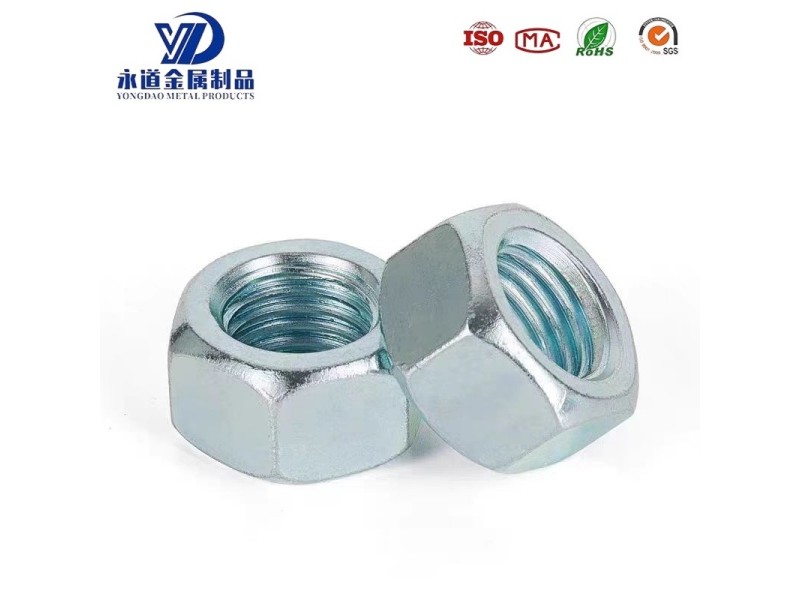 Grade 4/8 Carbon Steel Zinc-Plated Hex Nut
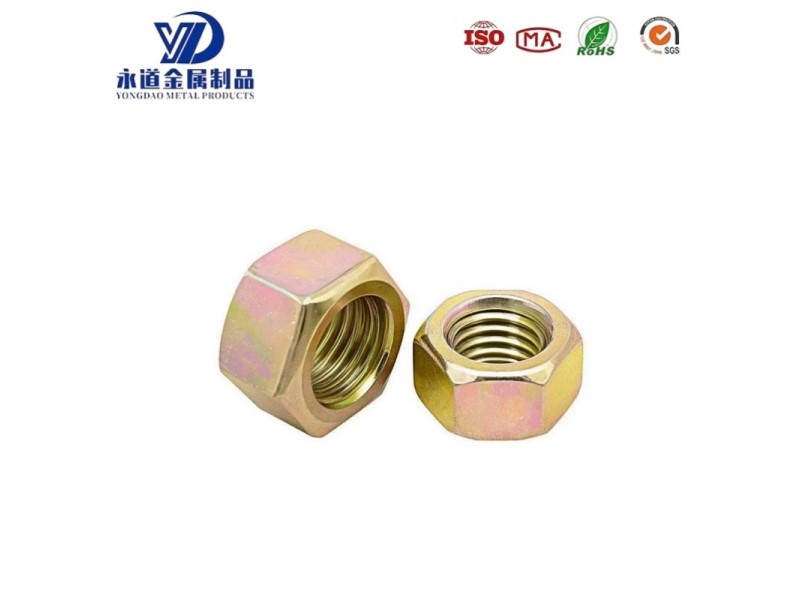 Grade 4/8 Carbon Steel Yellow Zinc-Plated Hex Nut
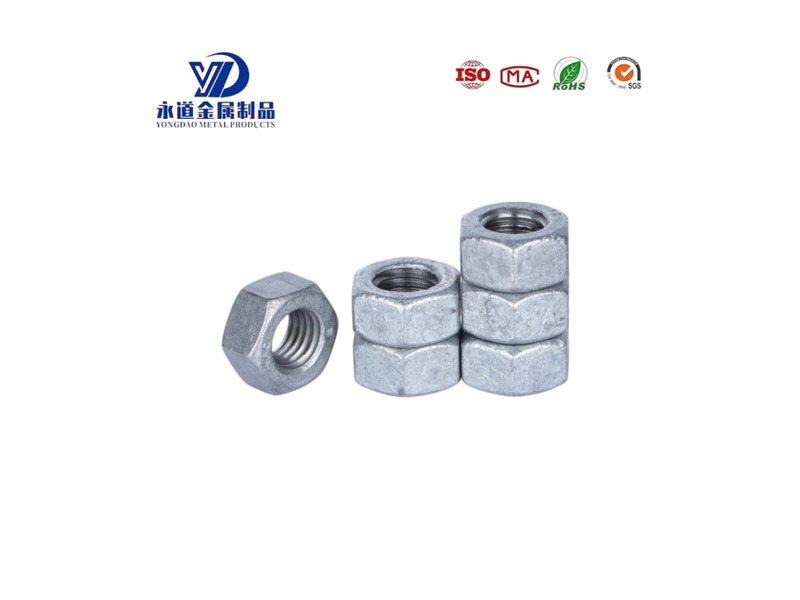 Grade 4/8/10/12 Carbon Steel Hot-Dip Galvanized Hex Nut
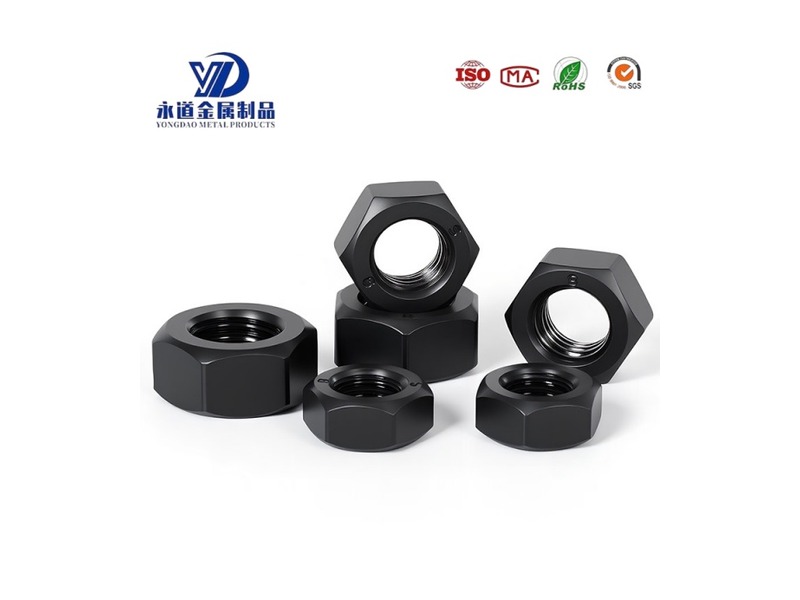 Grade 4/8/10/12 Carbon Steel Black Oxide Hex Nut
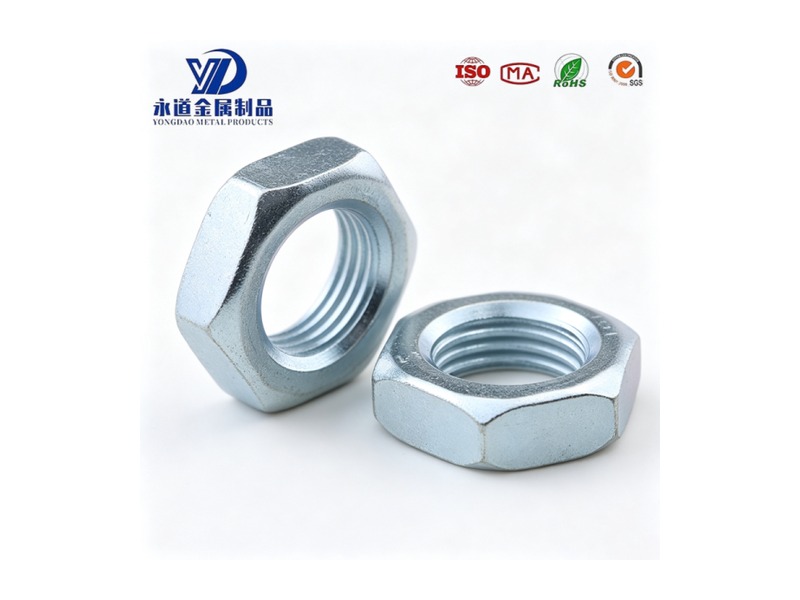 Zinc-Plated Thin Hex Nut
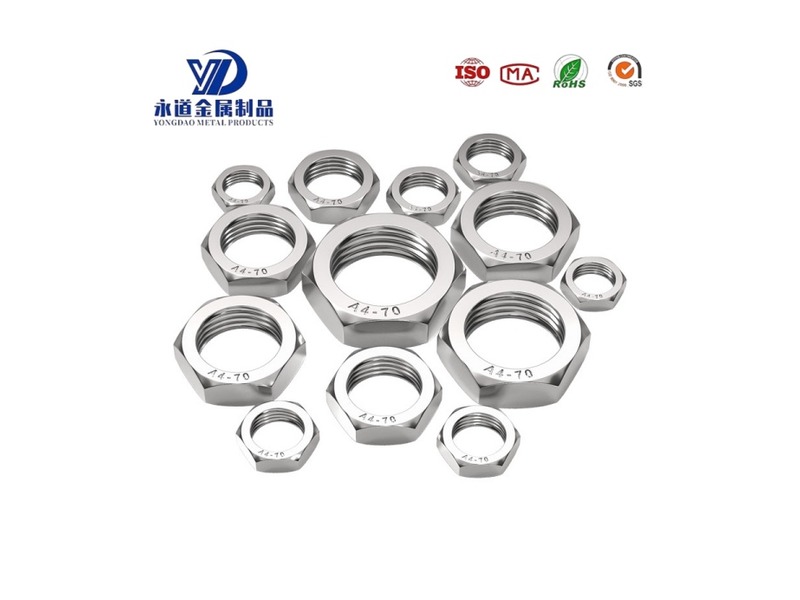 Stainless Steel Thin Hex Nut
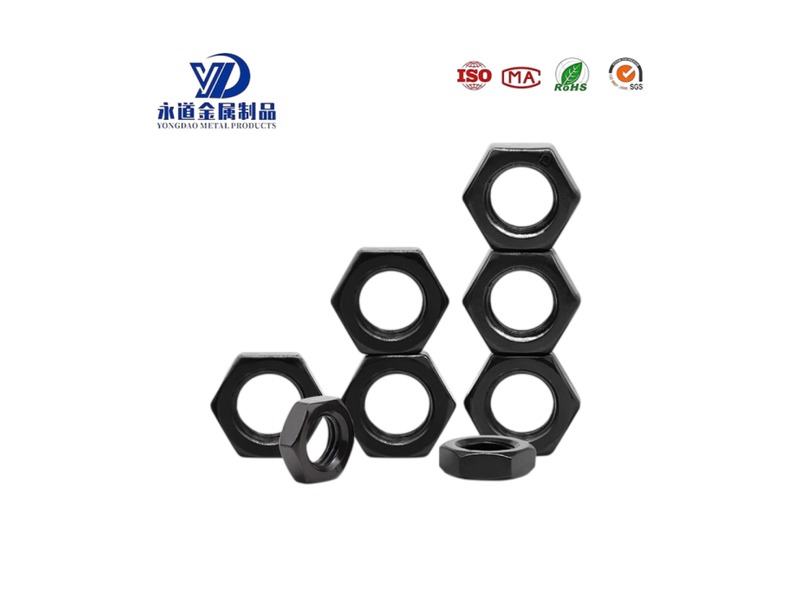 Black Oxide Thin Hex Nut
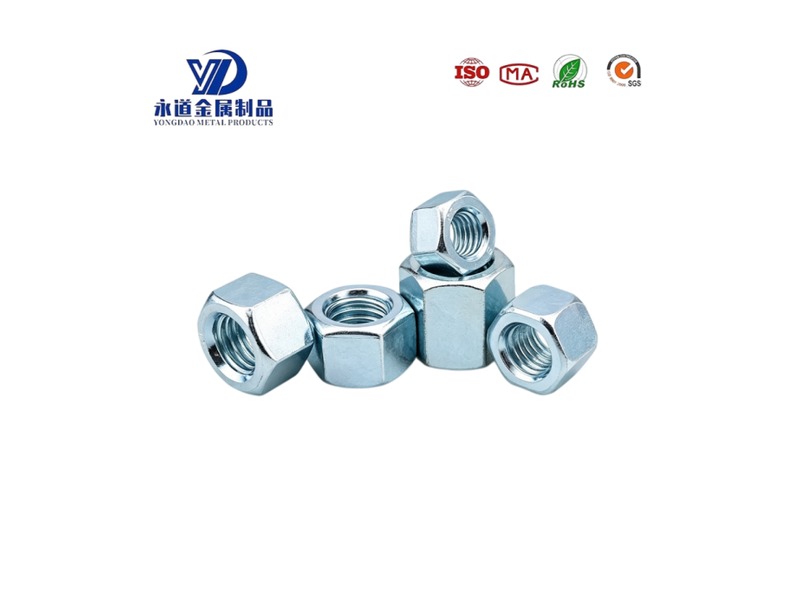 Thick (Heavy) Hex Nut
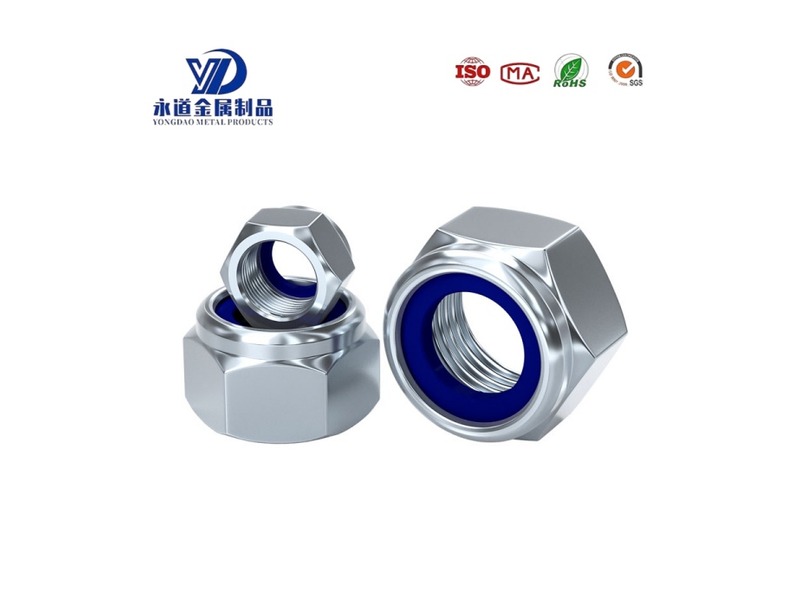 Carbon Steel Zinc-Plated Nylon Insert Lock Nut
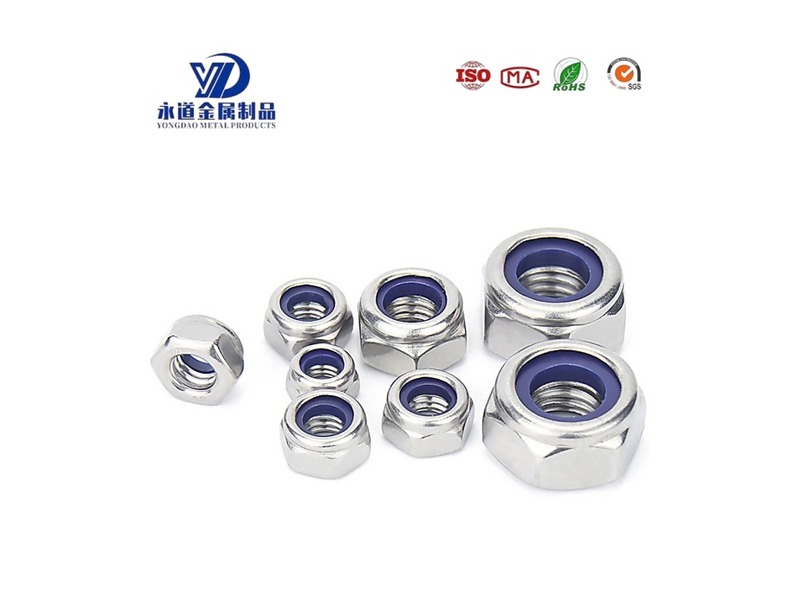 Stainless Steel Nylon Insert Lock Nut
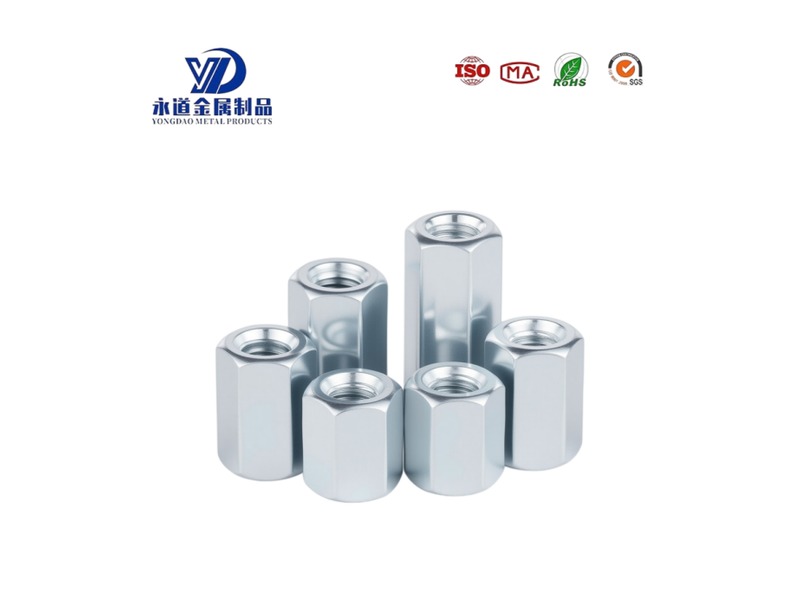 Carbon Steel Long Hex Zinc-Plated Coupling Nut
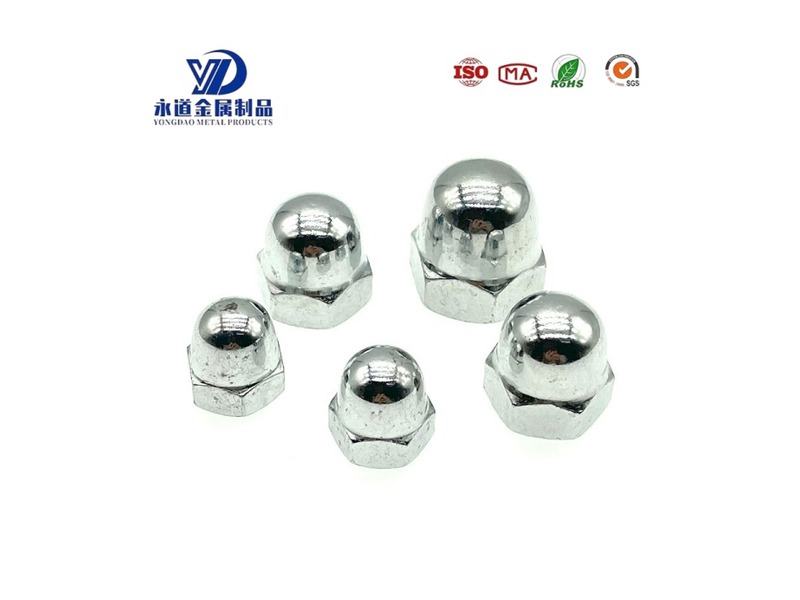 Carbon Steel Zinc-Plated Cap Nut
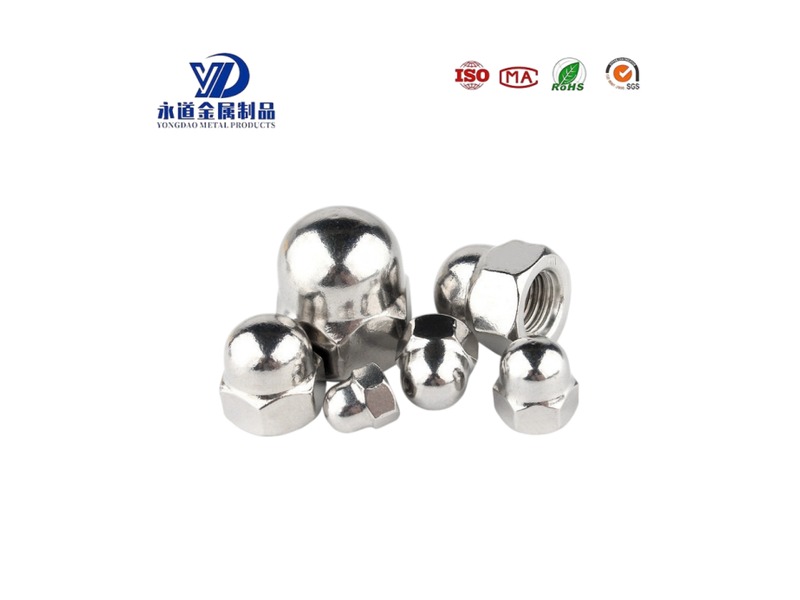 Stainless Steel Cap Nut
Frequently Asked Questions
Common questions about production, customization and orders
Why choose yellow zinc over clear zinc?
The passivation film improves resistance to white corrosion in humid storage and sea freight, and friction is slightly lower, giving more clamp load per unit of torque.
Can I keep the existing torque when changing to this finish?
Confirm it on a trial. Friction changes with the coating, so the torque-tension relationship is not identical to clear zinc.
Is this nut suitable for outdoor structures?
It is intended for indoor and sheltered service. For exposed steelwork use the hot-dip galvanized DIN 6923 flange nut.
What happens if the flange does not sit flat?
Load concentrates on one edge, preload drops and the joint can loosen. Clean the seating surface and check for burrs before assembly.
Do you make a serrated flange version?
Yes. The smooth flange is standard and the serrated version is supplied to order, useful where extra resistance to loosening is needed.
What are the MOQ and delivery times?
MOQ 1,000 pieces per size, about 7 days for stock sizes and 15 to 25 days for batch production.