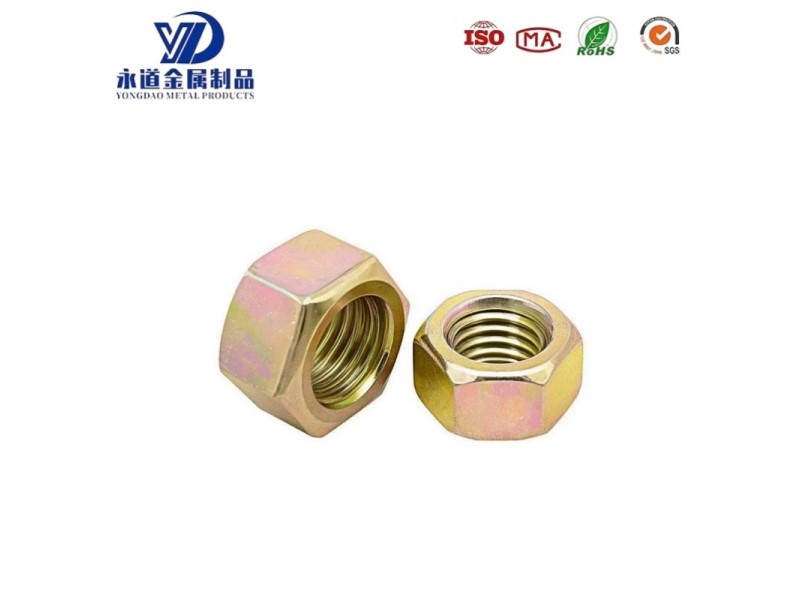
Grade 4/8 Carbon Steel Yellow Zinc-Plated Hex Nut
Hexagon nut to DIN 934, carbon steel grade 4/8, yellow zinc-plated, M3~M48, chosen where a slightly thicker coating and lower friction are wanted
Product parameters
- Product NameGrade 4/8 Carbon Steel Yellow Zinc-Plated Hex Nut
- CategoryNut / Hex Nut
- BrandYONGDAO METAL
- Surface FinishYellow zinc-plated
- MaterialCarbon Steel
- Size RangeM3~M48
- GradeGrade 4 / Grade 8
- StandardDIN 934
- MOQ1000 pcs
- OriginHandan, Hebei, China
Items marked "—" are subject to confirmation by actual inquiry; please contact us by email or phone for detailed specifications and quotations.
Product introduction
This is the same DIN 934 hexagon nut body as the clear zinc version, but with a yellow passivated zinc coating, sometimes called yellow chromate. The base is carbon steel in property class 4 or 8, the thread is metric coarse from M3 to M48, and both faces are chamfered. The colour difference is not cosmetic only: the yellow passivation film is applied over the zinc layer and gives somewhat better resistance to white corrosion in humid storage, which is why it remains common on machinery exported by sea container.
The coating also changes friction. Yellow passivated surfaces tend to run with a slightly lower and more consistent coefficient of friction than untreated zinc, so for the same tightening torque a joint develops a little more clamp load. That is helpful on assembly lines where torque is preset, but it means torque values should not be exchanged between two finishes without checking; if you switch a joint from clear zinc to yellow zinc, confirm the target torque with a small trial rather than assuming the old setting still applies.
Assembly practice follows the standard nut rule: at least one nominal diameter of thread engagement, the nut running free by hand before the wrench is applied, and a hardened washer under the nut when the clamped material is soft or the hole is oversized. Class 8 nuts go with 8.8 bolts and class 4 with 4.6 or 4.8. Where the joint is subject to vibration, pair the nut with a spring washer or a thread-locking compound, since a plain hex nut has no prevailing torque of its own.
Because yellow zinc is a thin electroplated layer, it is not a substitute for hot-dip galvanizing in outdoor structural work. It is best suited to machinery, automotive parts, shelving and general hardware that is assembled indoors or transported in dry conditions. If the end use involves salt spray or repeated wetting, the hot-dip galvanized nut in the same DIN 934 range is the correct pick, and we will confirm the coating class before production so the drawing and the certificate match.
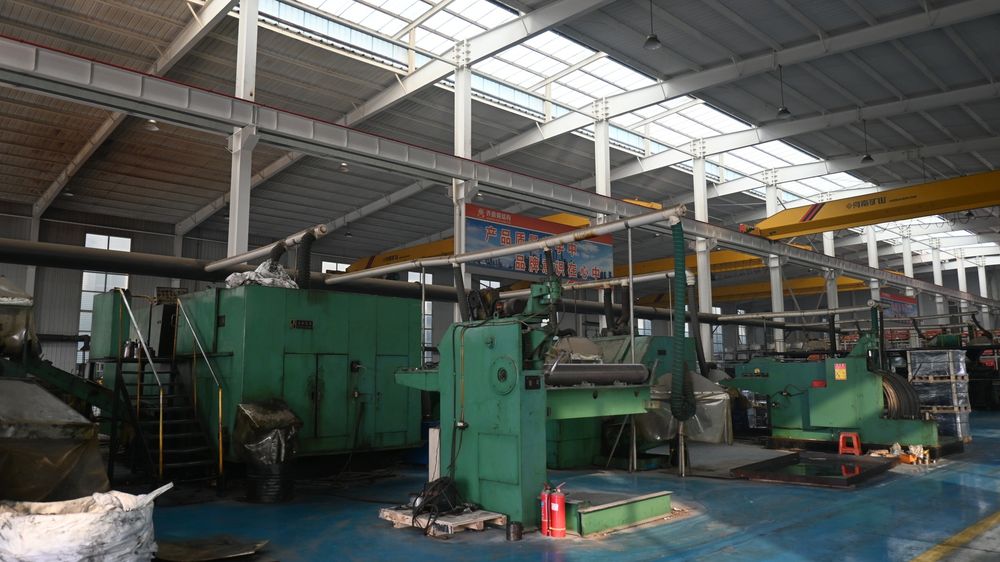
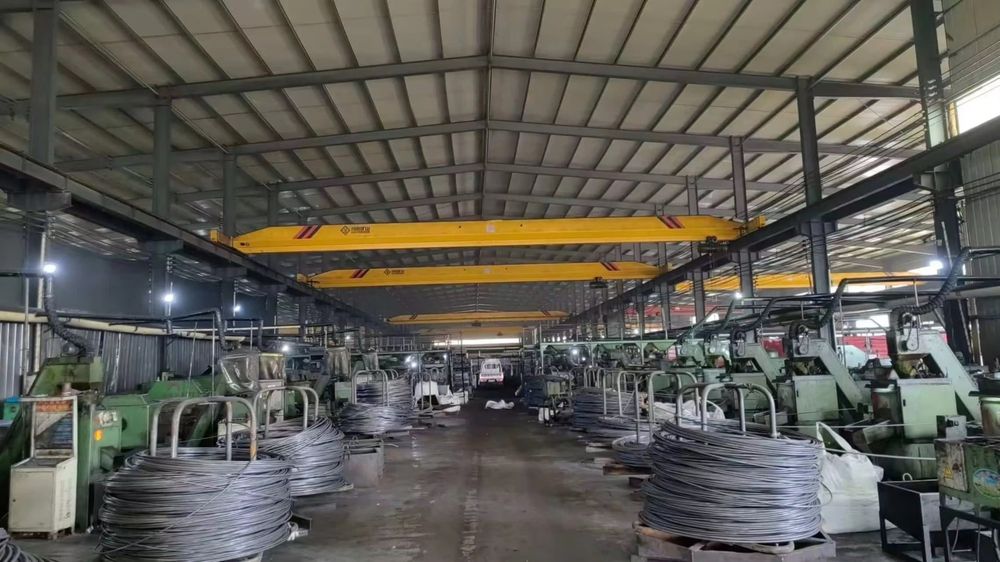
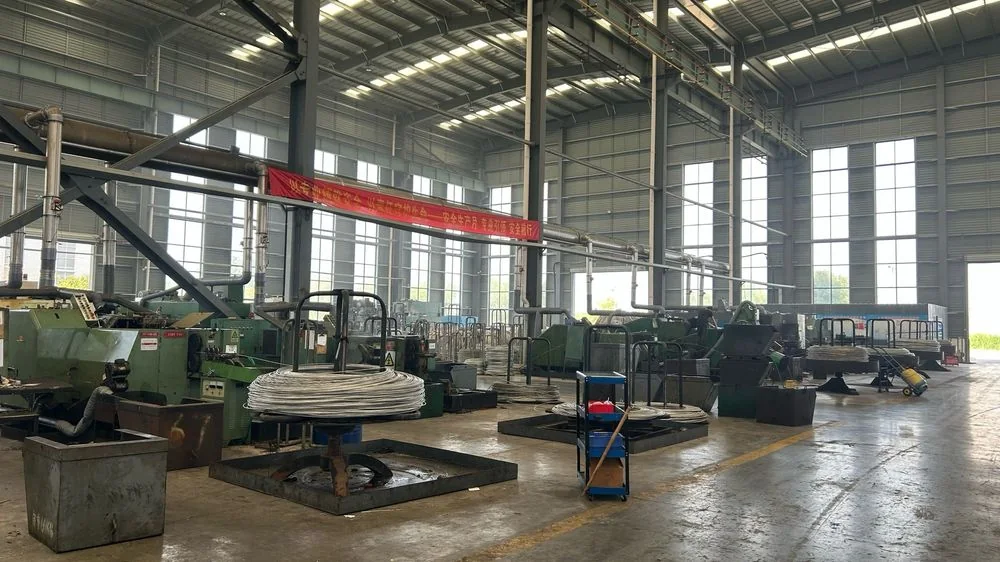
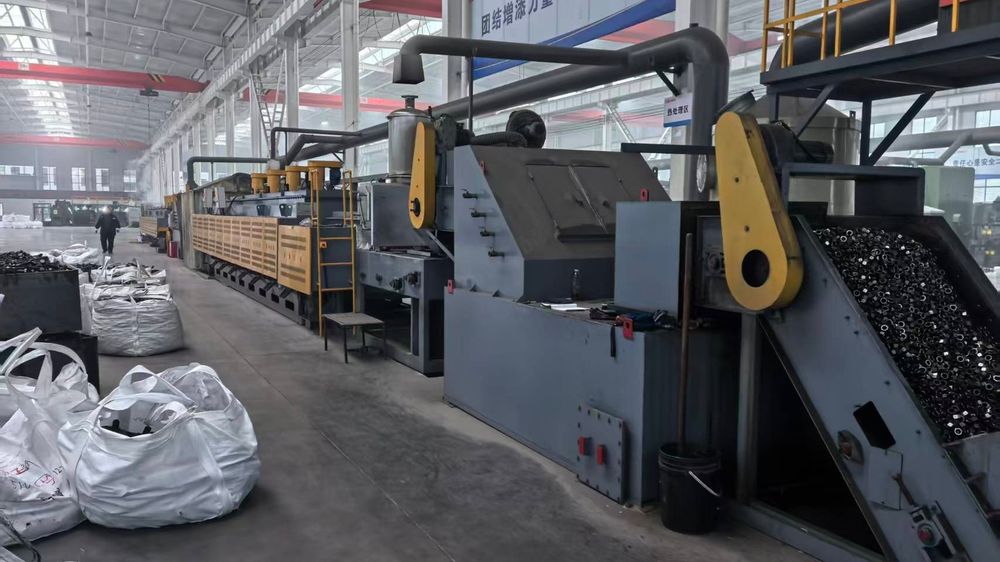
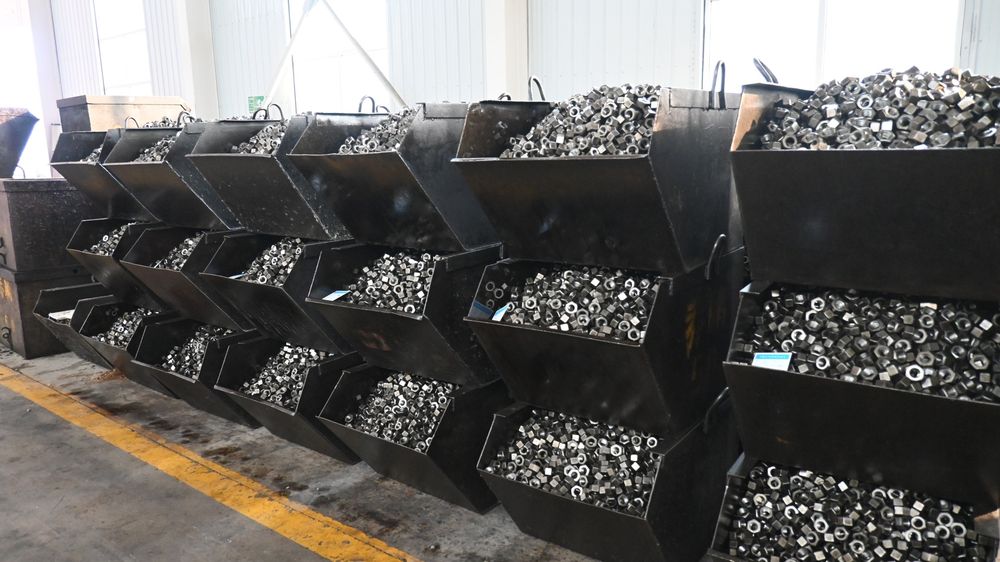
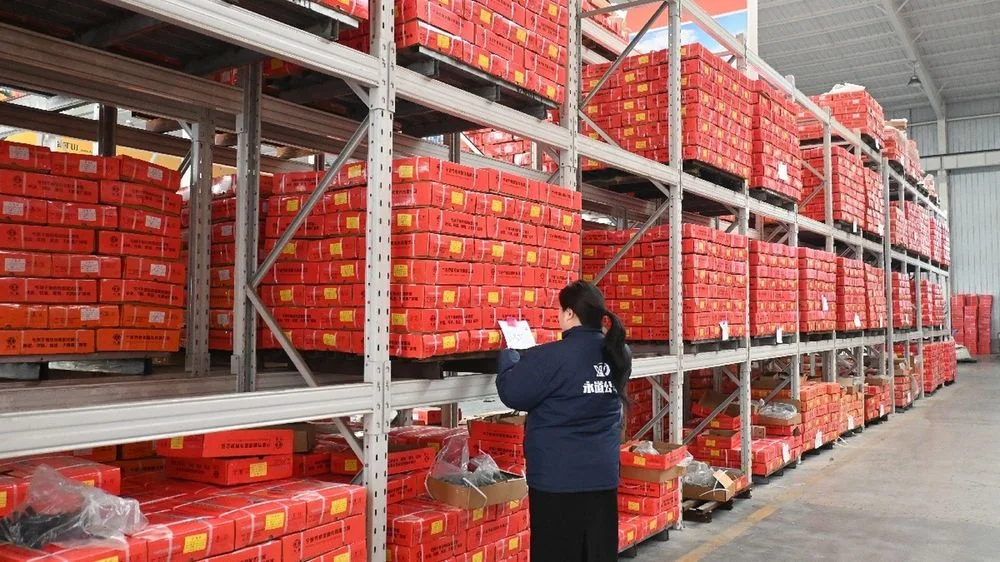
The plant behind the part is Handan Yongdao Metal Products Co., Ltd., about 20,000 square metres, roughly 300 employees and an annual capacity near 25,000 tons, combining cold heading, tapping, heat treatment, plating and packing. The quality system is ISO 9001 certified; thread gauging holds first-pass acceptance near 99.8%, key dimensions run at CPK 1.33 or better, and on-time delivery is about 98.5%.
Ordering is simple: MOQ 1,000 pieces per size, 7-day dispatch on stock sizes, and 15 to 25 days for batch production of other sizes, classes or coating thicknesses. We also handle OEM requirements such as marking, class substitution, lubricated coatings and buyer-branded packaging. Typical uses are machinery assembly, steel structure connections, metal fabrication and transport equipment, supplied together with matching bolts and washers so the joint is consistent in class and finish.
For buyers comparing suppliers, the useful questions are about consistency rather than headline price: is the coating thickness stated and inspected, is the class marked on the nut, and does the tap run clean through the full height without tear marks on the flanks. Those three details decide whether a container of nuts assembles smoothly on a line in Europe or produces torque complaints three months later.
Applications
FACTORY TOUR
PACKING & DELIVERY
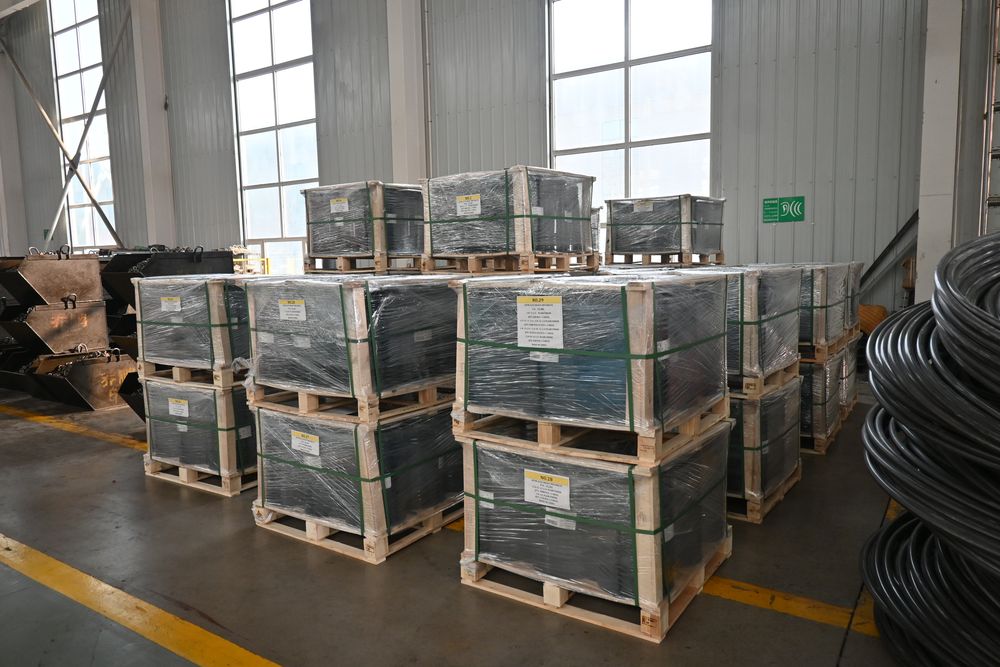
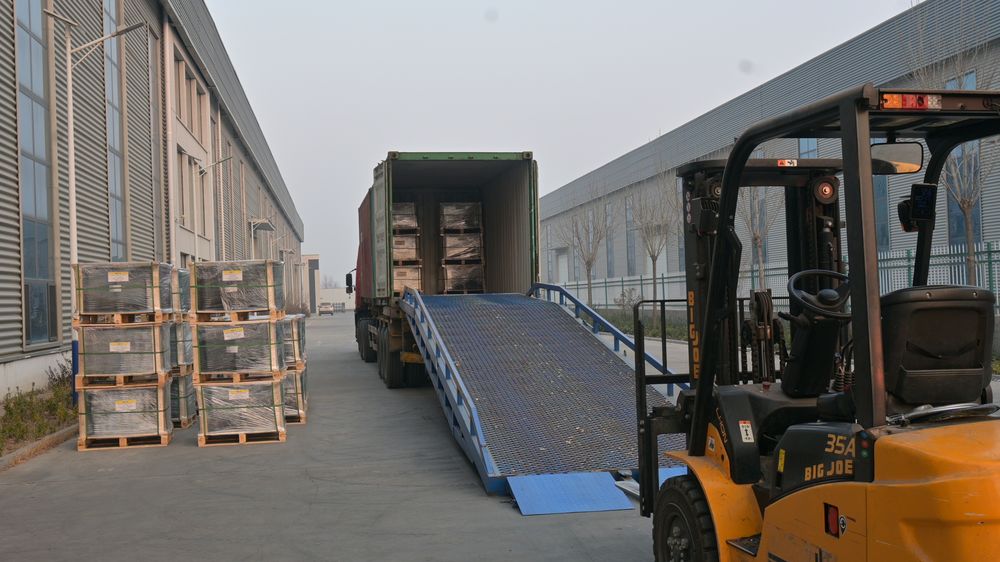
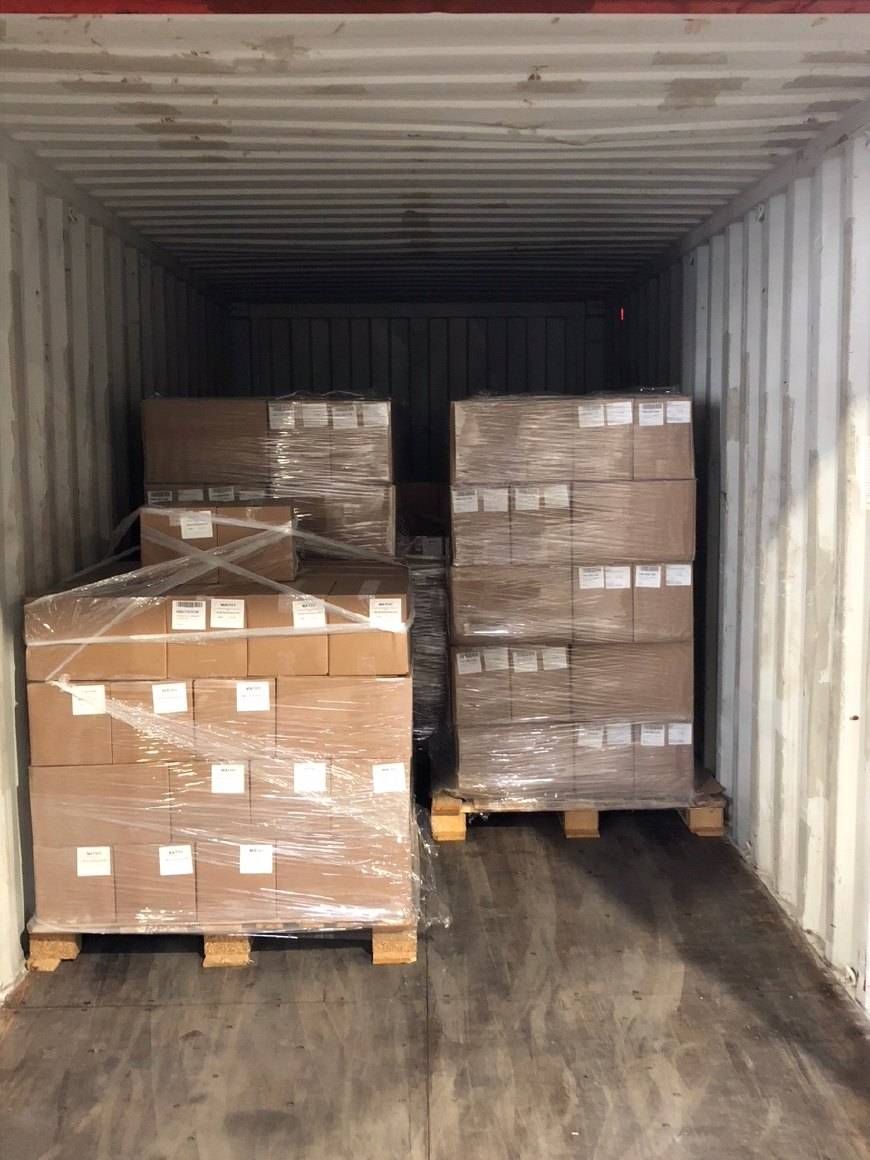
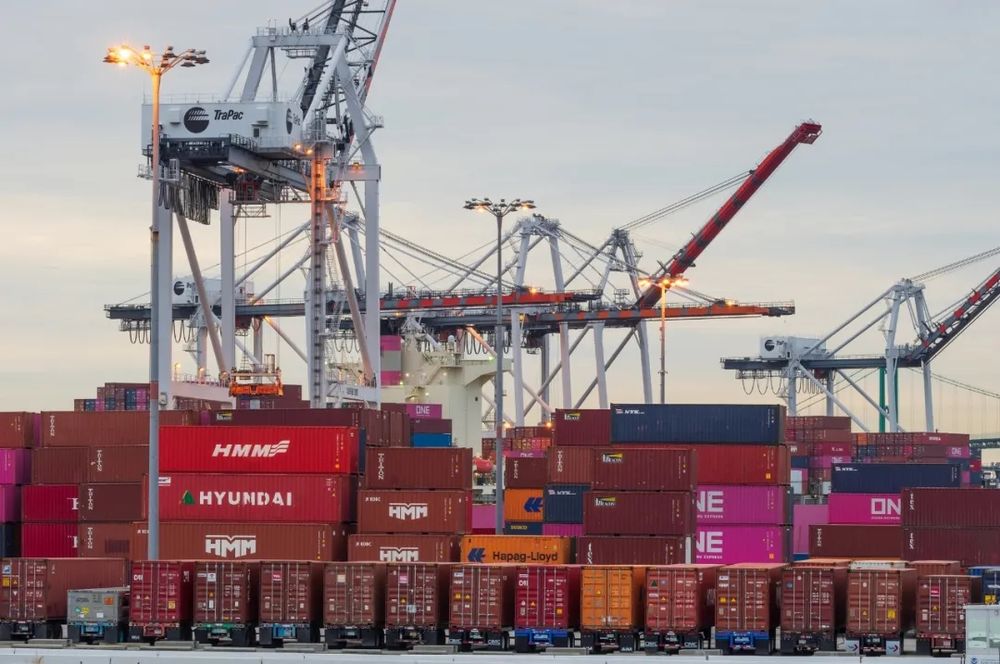
Customized delivery process
Order precautions
Before placing an order, please confirm the required product category with our sales or service staff. Customized products are not eligible for return or exchange; ex-works prices do not include taxes or freight. Every batch is strictly inspected before shipment, and minor imperfections are not considered quality problems. Please check the goods carefully upon receipt and contact us promptly if you have any questions.
- 1Provide custom drawings
- 2Choose material
- 3Get a quotation
- 4Sign the contract
- 5Production
- 6Packing & shipping
- 7Confirm receipt
- 8Order completed
Product inquiry
Related products
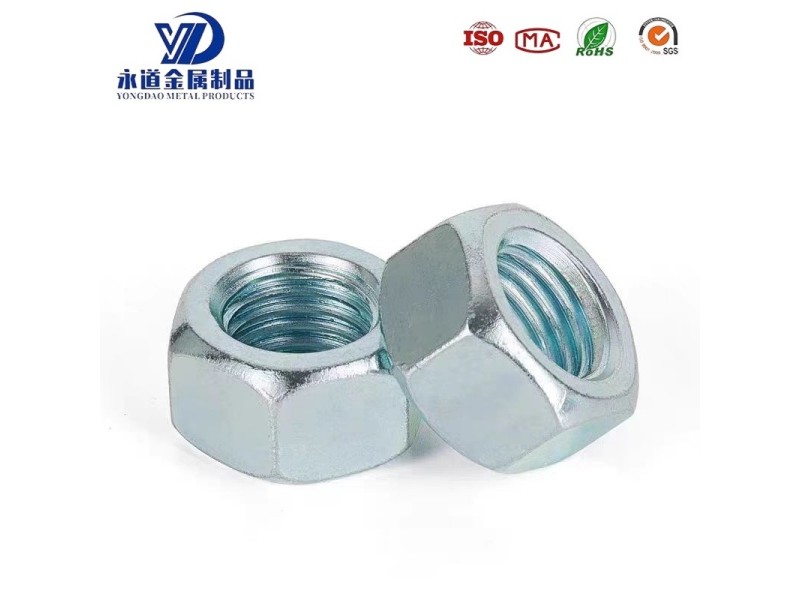 Grade 4/8 Carbon Steel Zinc-Plated Hex Nut
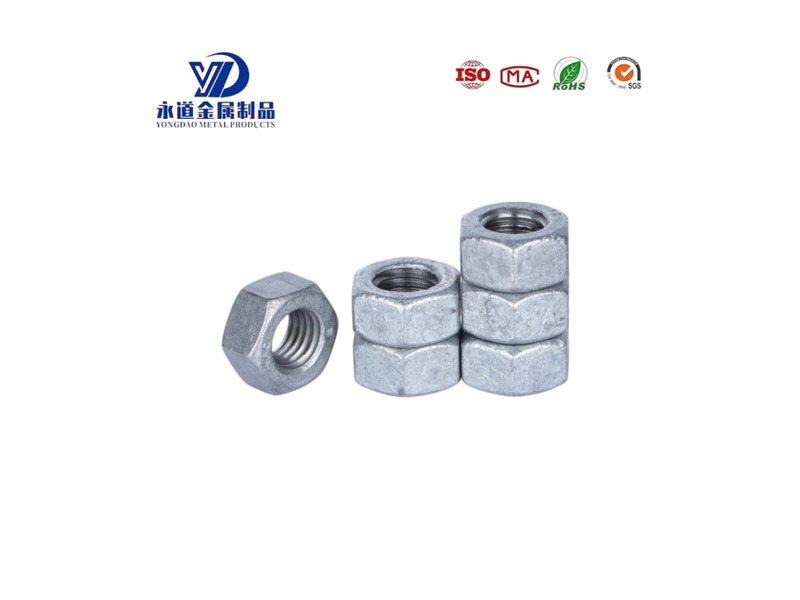 Grade 4/8/10/12 Carbon Steel Hot-Dip Galvanized Hex Nut
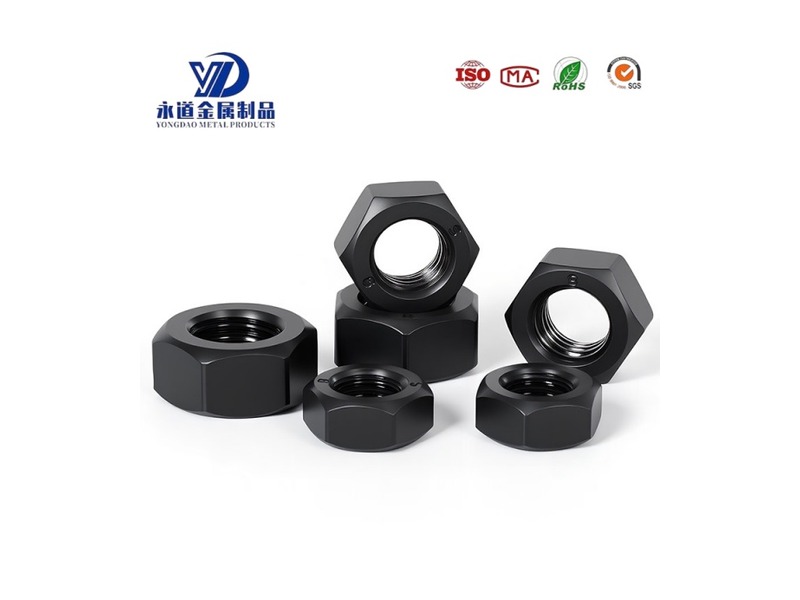 Grade 4/8/10/12 Carbon Steel Black Oxide Hex Nut
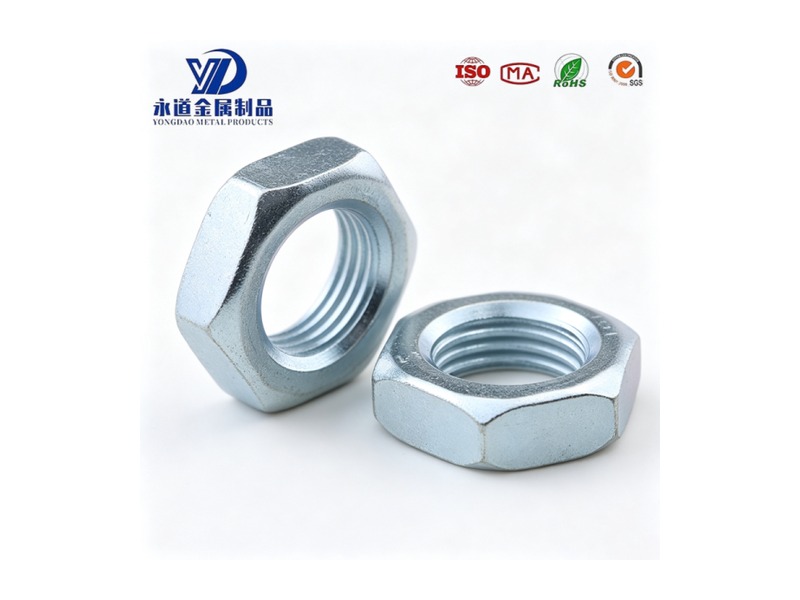 Zinc-Plated Thin Hex Nut
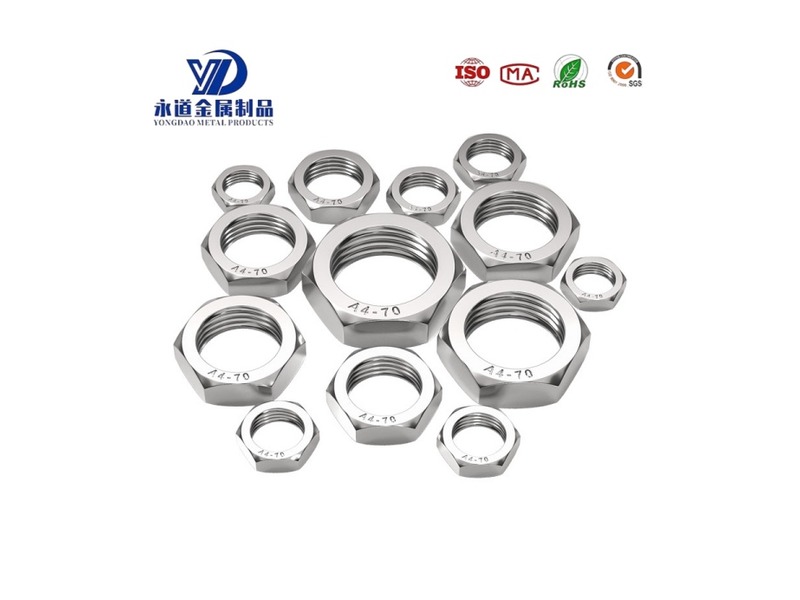 Stainless Steel Thin Hex Nut
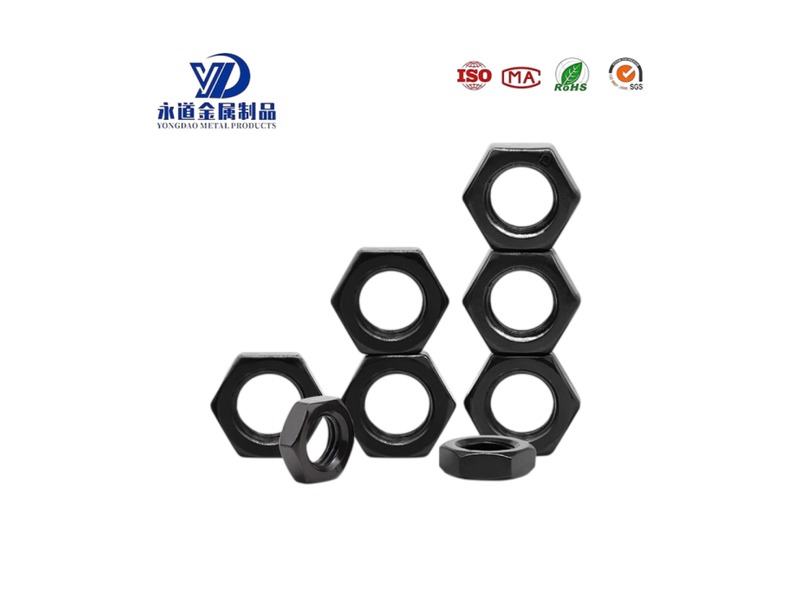 Black Oxide Thin Hex Nut
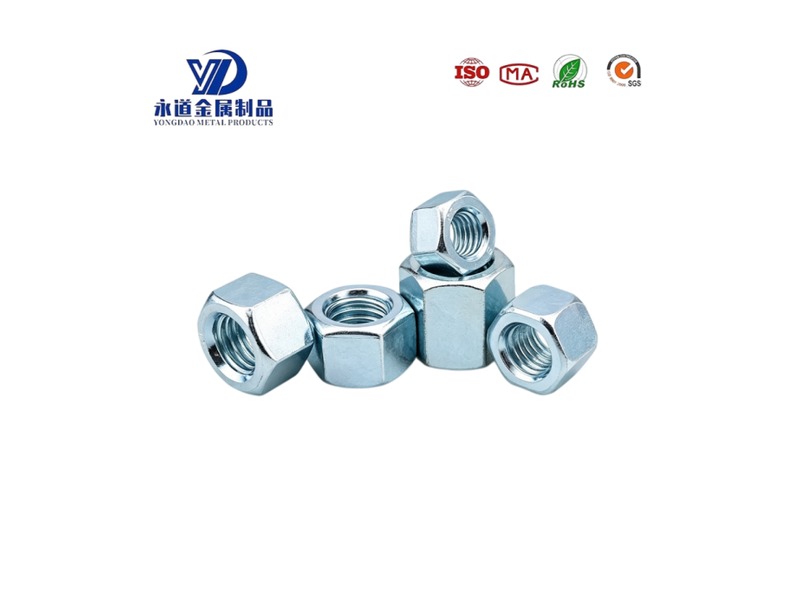 Thick (Heavy) Hex Nut
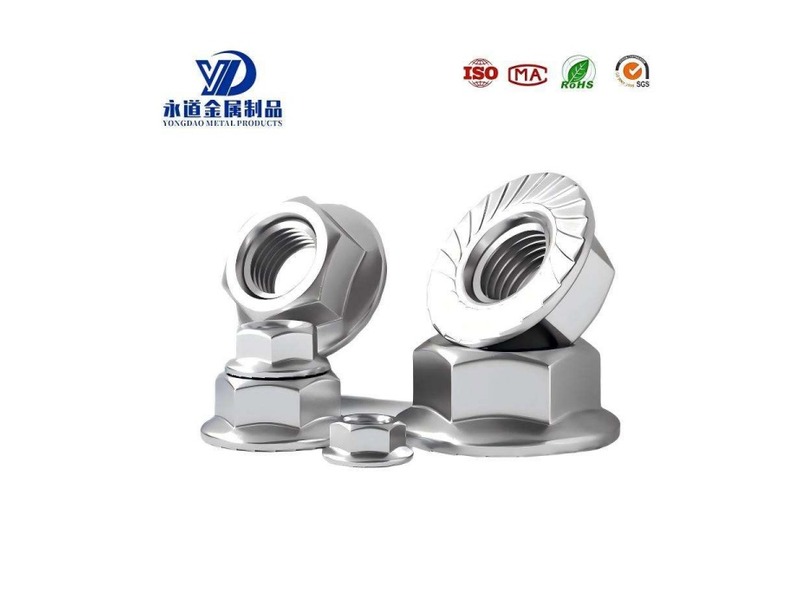 Grade 4/8 Carbon Steel Zinc-Plated Flange Nut
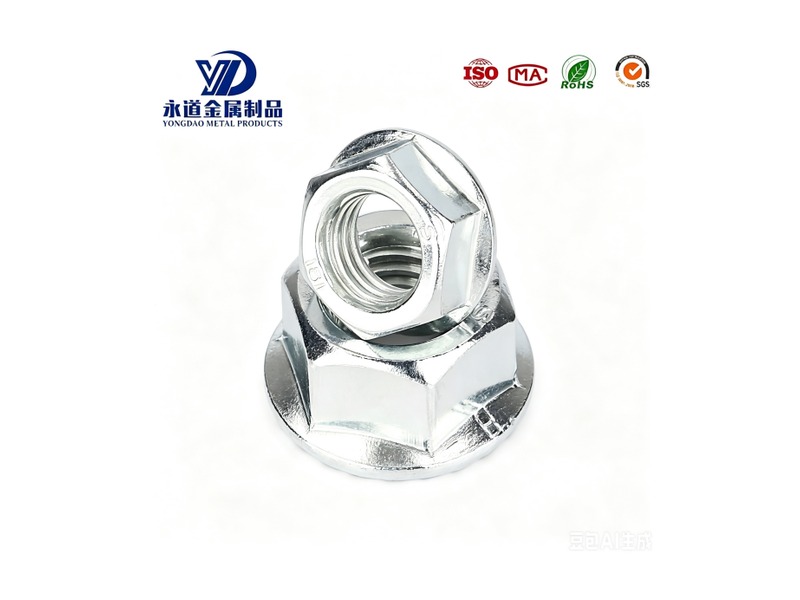 Grade 4/8 Carbon Steel Yellow Zinc-Plated Flange Nut
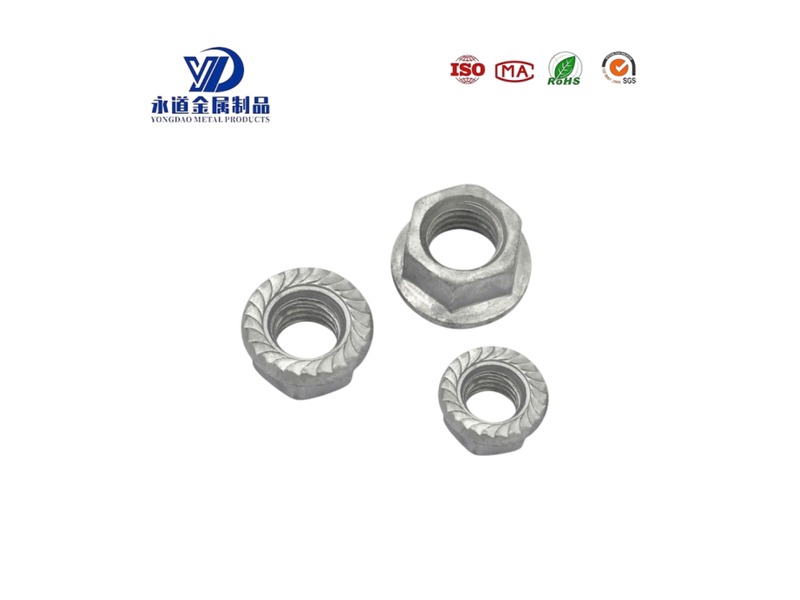 Grade 4/8/10 Carbon Steel Hot-Dip Galvanized Flange Nut
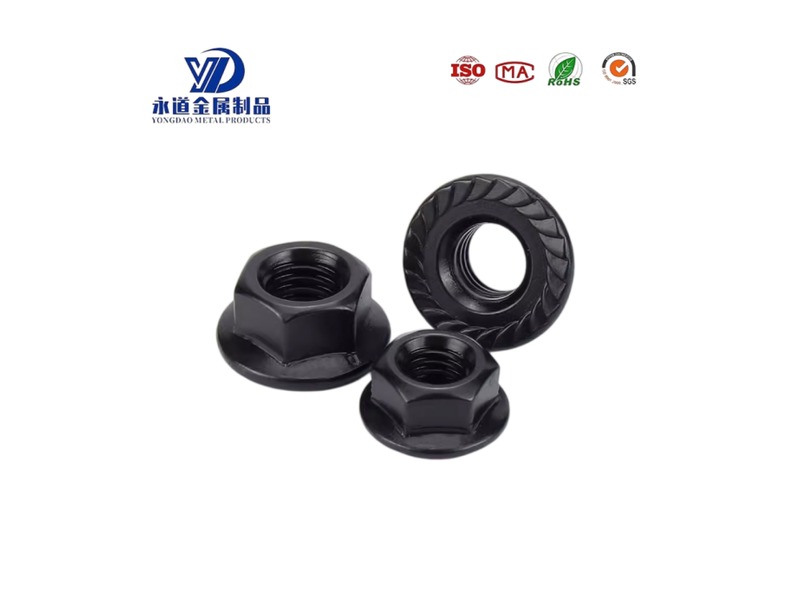 Grade 4/8/10/12 Carbon Steel Black Oxide Flange Nut
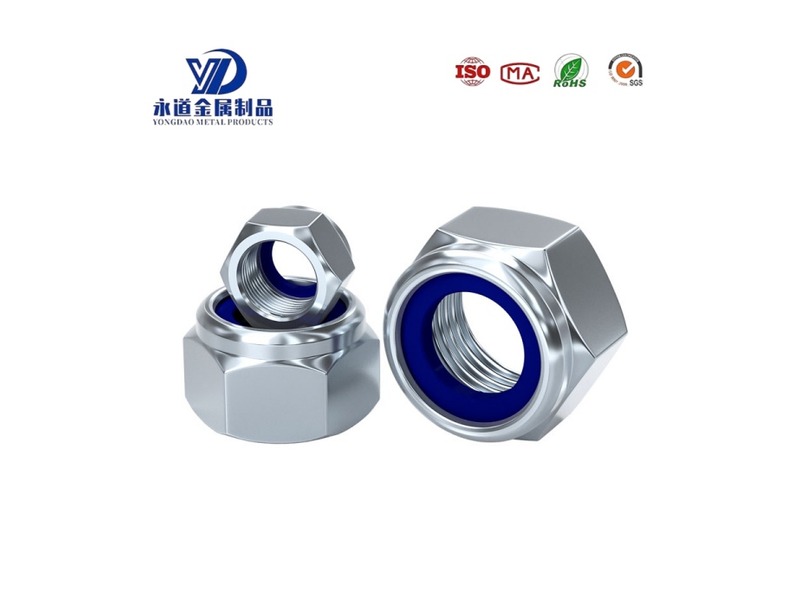 Carbon Steel Zinc-Plated Nylon Insert Lock Nut
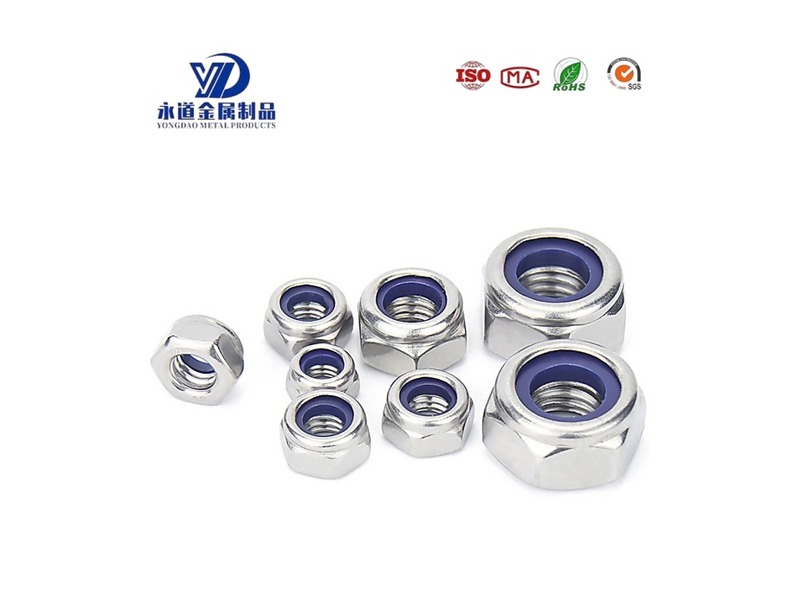 Stainless Steel Nylon Insert Lock Nut
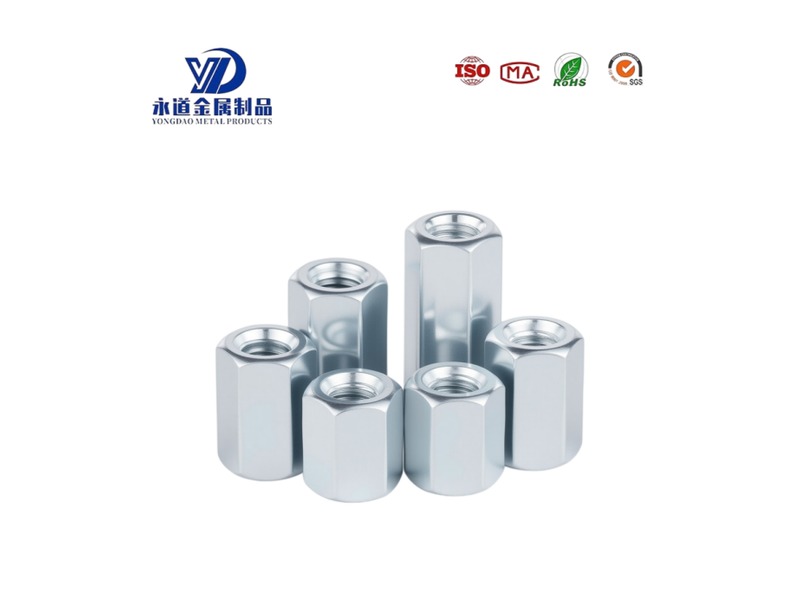 Carbon Steel Long Hex Zinc-Plated Coupling Nut
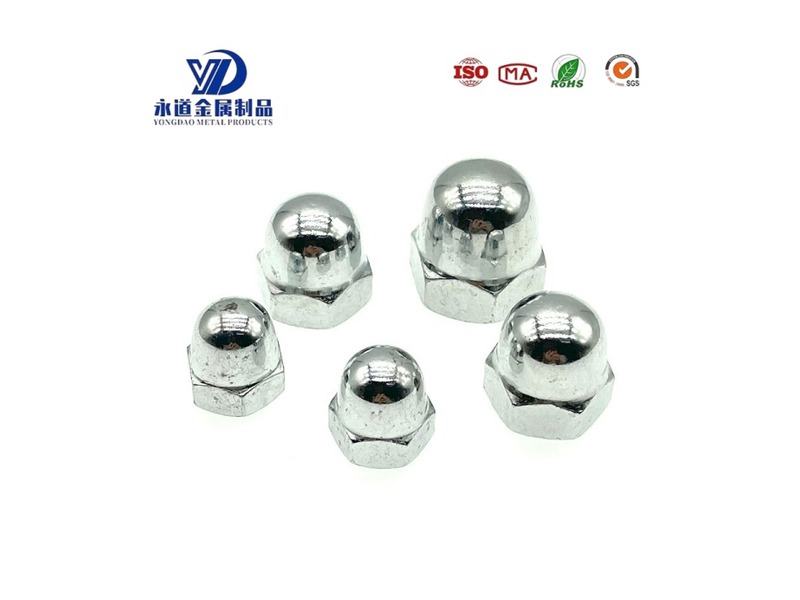 Carbon Steel Zinc-Plated Cap Nut
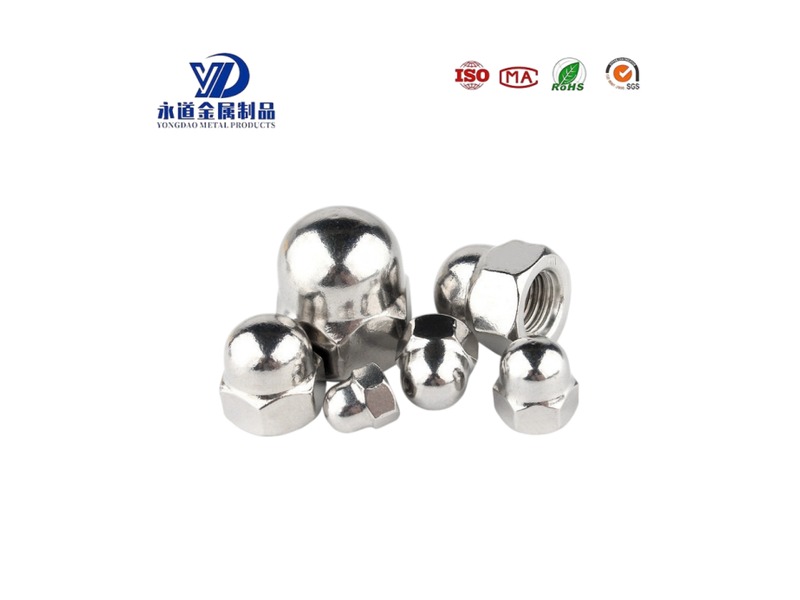 Stainless Steel Cap Nut
Frequently Asked Questions
Common questions about production, customization and orders
What is the difference between clear zinc and yellow zinc?
Both are electroplated zinc. Yellow zinc adds a passivation film that improves resistance to white corrosion and slightly lowers friction, so clamp load for a given torque is a little higher.
Can I keep the same tightening torque after switching finishes?
Not automatically. Friction changes with the coating, so verify torque on a small trial or ask us for guidance for the specific size and class.
Which nut class fits an 8.8 bolt?
Grade 8 nuts match 8.8 bolts, grade 4 nuts match 4.6 or 4.8 bolts. The nut should never be the weaker element of the joint.
Is yellow zinc acceptable for outdoor structures?
It is a thin electroplated layer and is intended for indoor or sheltered use. For outdoor and wet service use the hot-dip galvanized DIN 934 nut instead.
Do you offer nuts and bolts in the same finish?
Yes. Hex bolts, nuts and washers in matching class and coating are produced in the same plant, so one order delivers a complete, consistent joint.
What is the minimum order and delivery time?
MOQ 1,000 pieces per size. Stock sizes leave in about 7 days; batch production is normally 15 to 25 days depending on size and quantity.