
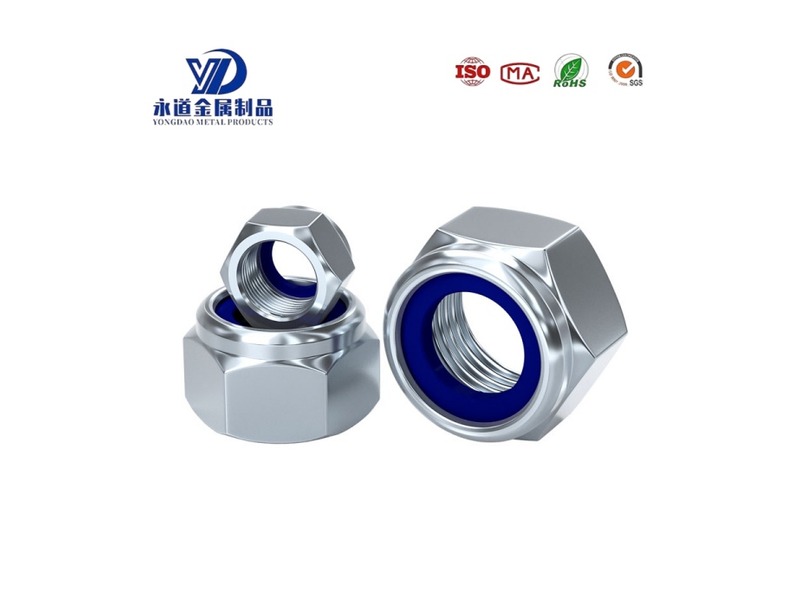
Carbon Steel Zinc-Plated Nylon Insert Lock Nut
Nylon insert lock nut to DIN 985, carbon steel grade 8, zinc-plated, M3~M24, with a non-metallic insert that provides prevailing torque against vibration
Product parameters
- Product NameCarbon Steel Zinc-Plated Nylon Insert Lock Nut
- CategoryNut / Nylon Insert Lock Nut
- BrandYONGDAO METAL
- Surface FinishZinc-plated
- MaterialCarbon Steel
- Size RangeM3~M24
- GradeGrade 8
- StandardDIN 985
- MOQ1000 pcs
- OriginHandan, Hebei, China
Items marked "—" are subject to confirmation by actual inquiry; please contact us by email or phone for detailed specifications and quotations.
Product introduction
The nylon insert lock nut, often called a nyloc nut, is a hexagon nut with a polyamide ring fixed in a recess at the top. When the bolt enters, its thread cuts into the ring and the resulting interference produces prevailing torque: the nut resists turning even at zero clamp load. That is what makes it effective against vibration, and it also means the joint does not rely on a spring washer or on precise preload to stay tight. This version follows DIN 985 in carbon steel grade 8, M3 to M24, zinc-plated.
The lock nut's defining advantage is reusability. It can be removed and refitted several times, losing prevailing torque with each cycle but usually remaining serviceable for a handful of assemblies; once the nut spins on freely, the insert is worn and the nut should be replaced. Because the ring also seals the thread end, the nut keeps moisture and dust out of the engaged thread, which is a real benefit on outdoor equipment and on machines washed down between shifts.
Two limits must be respected. Temperature: the polyamide insert softens above roughly 120 C, so the nut is not for exhaust systems, engines, ovens or hot process lines, where all-metal lock nuts belong. Size and load: DIN 985 nuts are lower in height than DIN 934 nuts, so proof load is lower, and class 8 should be matched with 8.8 bolts. Where a joint carries high preload, the all-metal hex nut is the correct choice and the lock nut is used on secondary fastenings that must not vibrate loose.
Assembly is simple but not careless. Clean the thread, run the nut on by hand until the insert grips, then tighten with a wrench to the specified torque. Do not use the lock nut on a bolt whose thread is damaged, because the insert will be cut and prevailing torque lost; do not lubricate the insert, which reduces its grip; and do not reuse a nut that has been forced onto the wrong pitch. For adjusters and levelling feet that are set once, the nut can be locked in position and left.
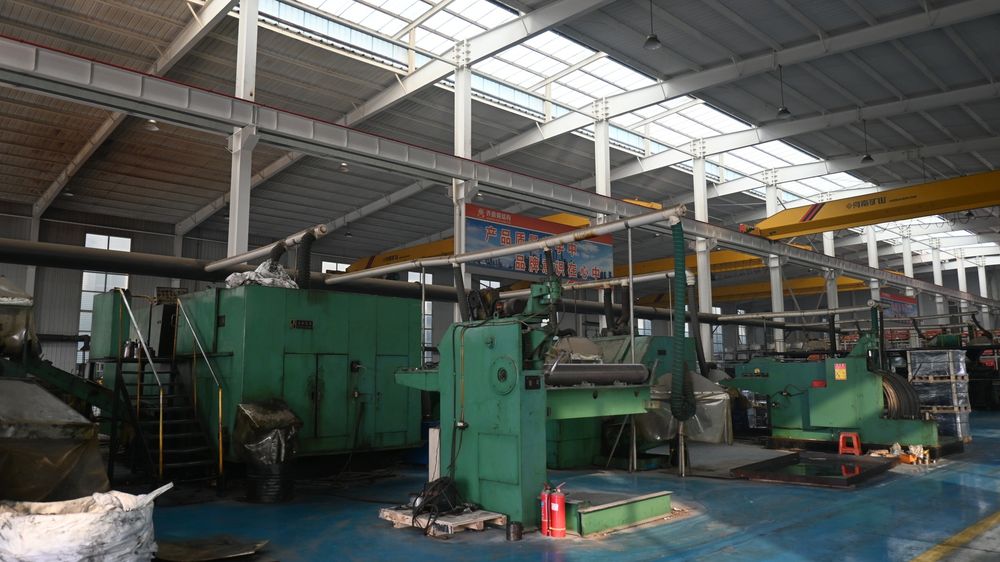
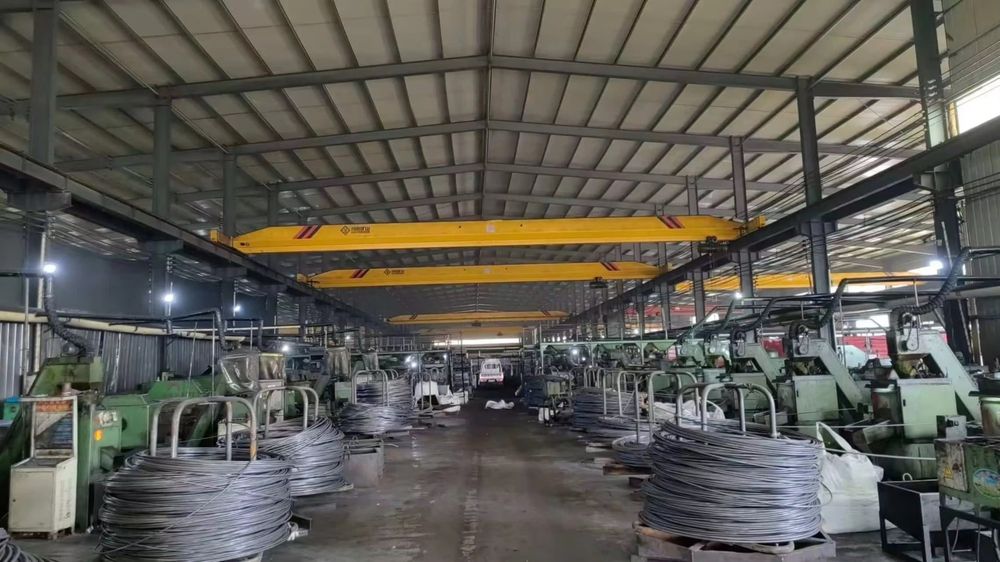
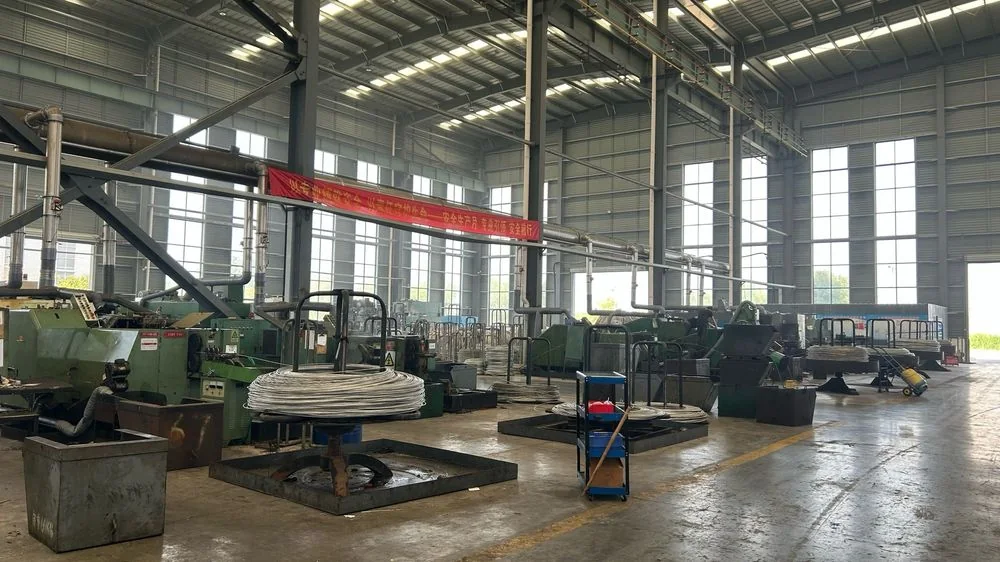
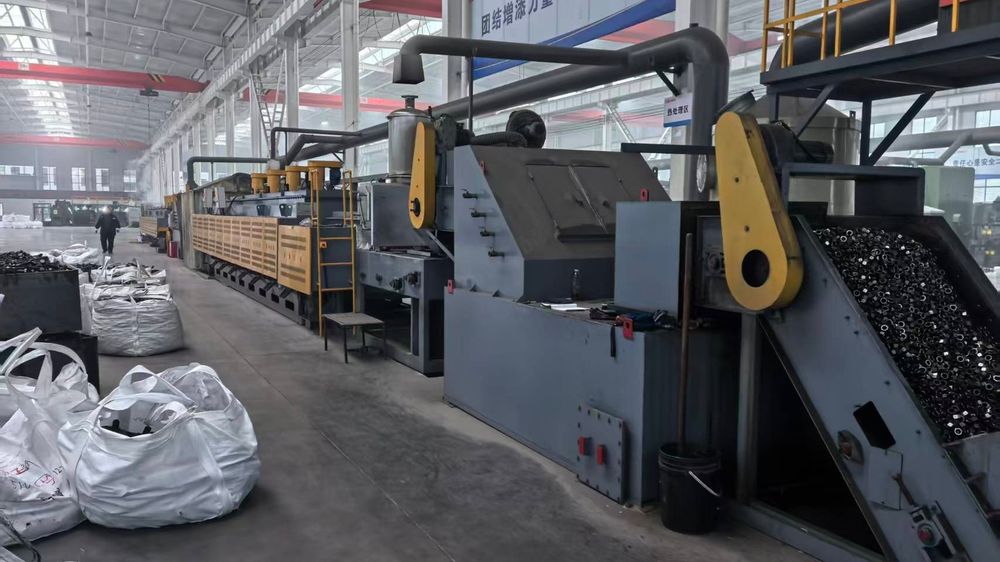
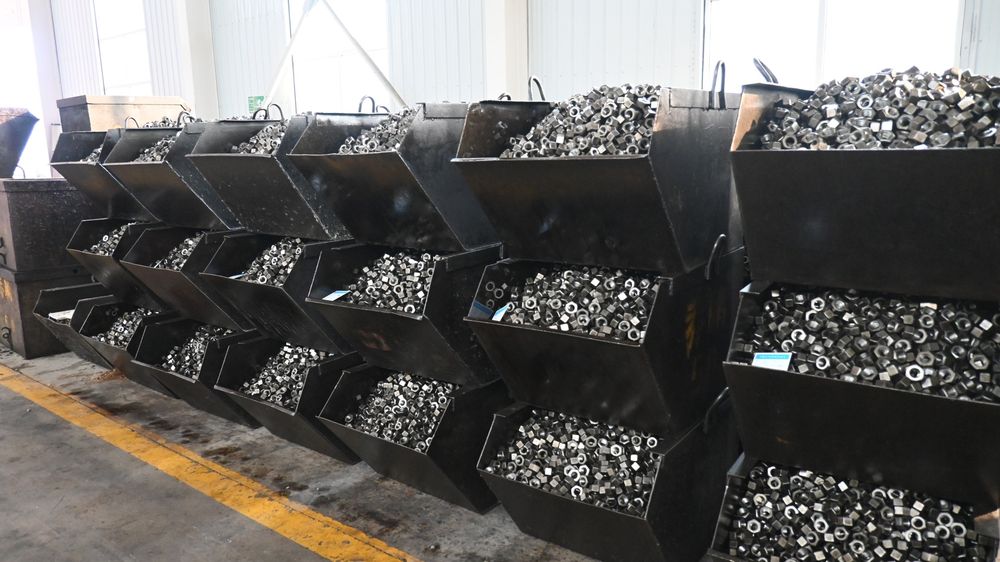
Production is at Handan Yongdao Metal Products Co., Ltd., about 20,000 square metres, roughly 300 employees and an annual capacity near 25,000 tons. The quality system is ISO 9001 certified; thread gauging holds about 99.8% first-pass acceptance, critical dimensions run at CPK 1.33 or better, and on-time delivery is about 98.5%. Prevailing torque is checked on sample nuts so that the insert grip is consistent from batch to batch.
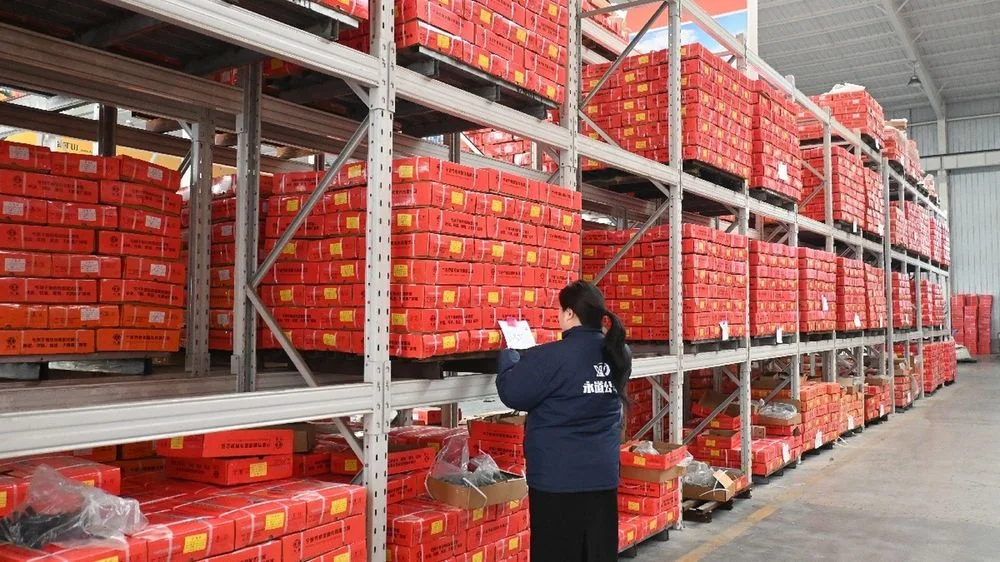
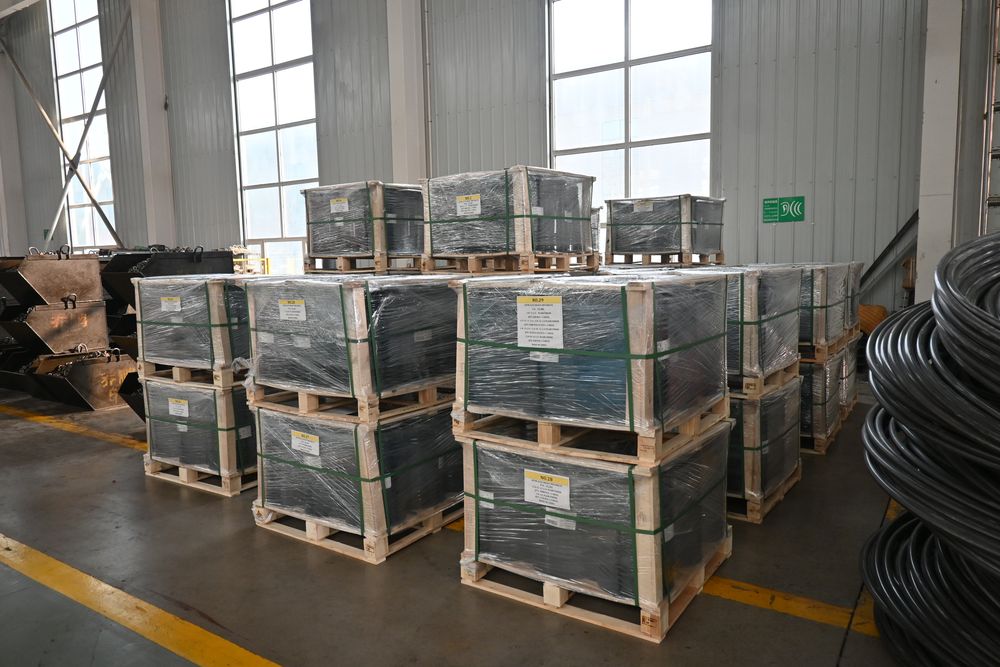
Commercial terms are MOQ 1,000 pieces per size, about 7 days for stock and 15 to 25 days for batch production depending on size and finish. OEM options include class, coating, insert grade for higher temperature and buyer-branded packaging, with matching bolts in the same finish. Typical uses are automotive and transport equipment, machinery assembly, shipbuilding and marine equipment, shelving and warehousing systems and general hardware where vibration would otherwise loosen a plain nut.
In stores, the practical advantage is that one lock nut replaces a plain nut plus a spring washer, so stock lines and picking errors drop. For buyers checking a repeat order, the prevailing torque and insert fit are the two figures that matter, and both are inspected on samples from each production lot rather than assumed from the standard.
Applications
FACTORY TOUR
PACKING & DELIVERY
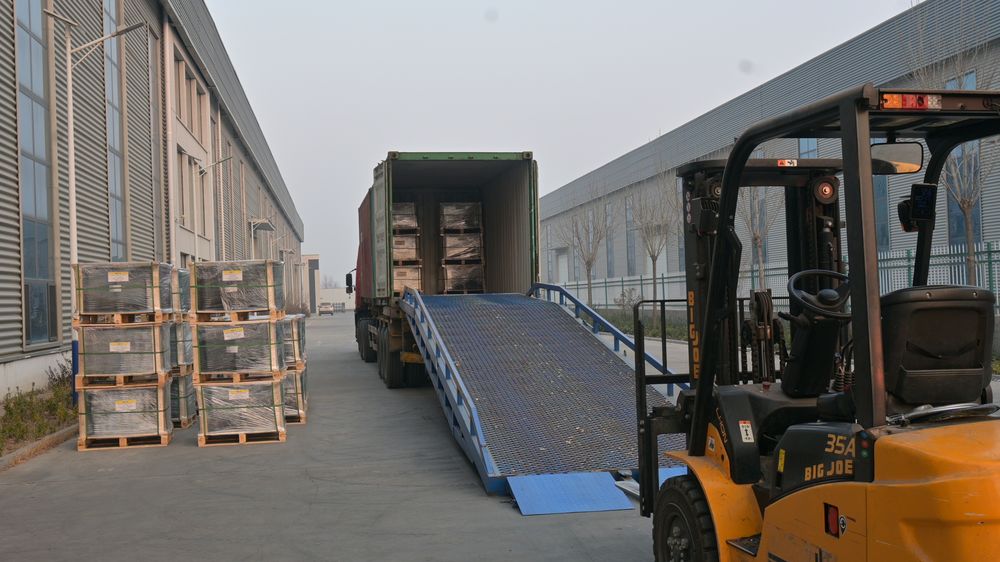
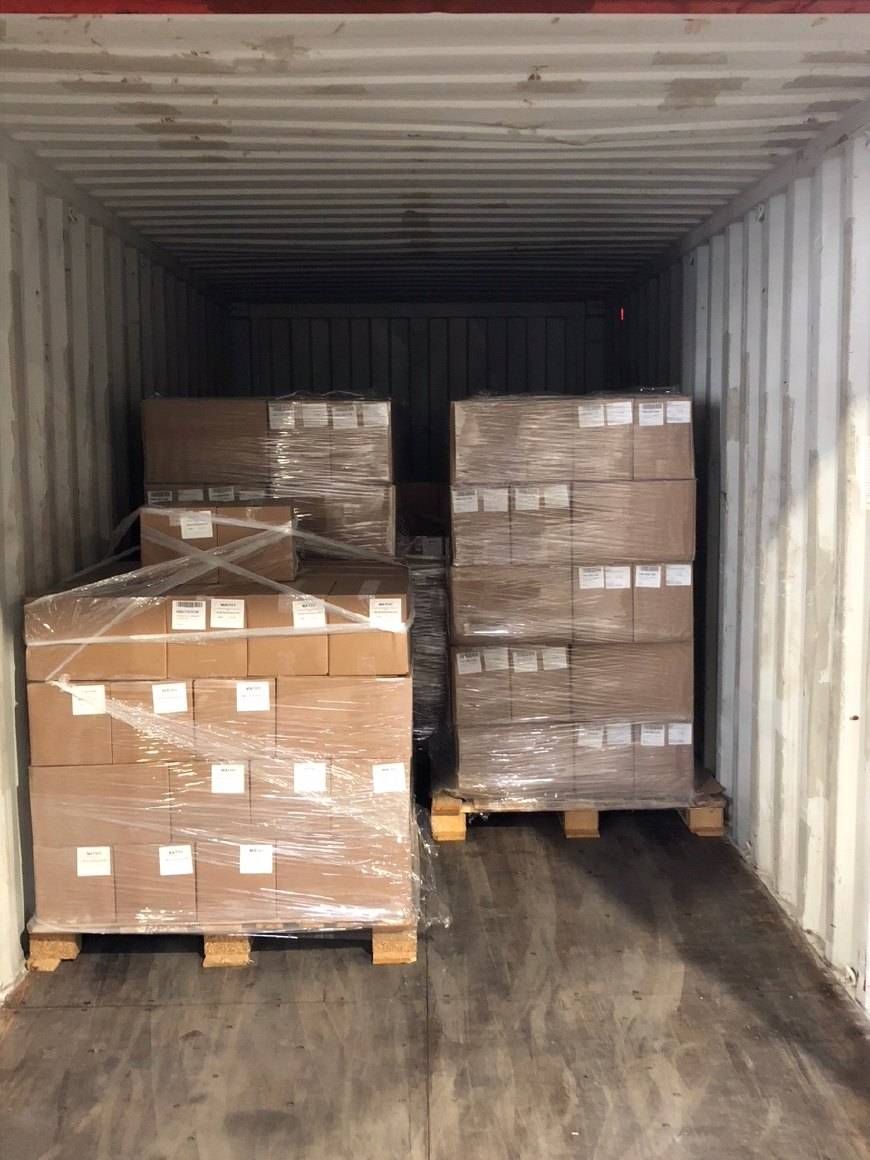

Customized delivery process
Order precautions
Before placing an order, please confirm the required product category with our sales or service staff. Customized products are not eligible for return or exchange; ex-works prices do not include taxes or freight. Every batch is strictly inspected before shipment, and minor imperfections are not considered quality problems. Please check the goods carefully upon receipt and contact us promptly if you have any questions.
- 1Provide custom drawings
- 2Choose material
- 3Get a quotation
- 4Sign the contract
- 5Production
- 6Packing & shipping
- 7Confirm receipt
- 8Order completed
Product inquiry
Related products
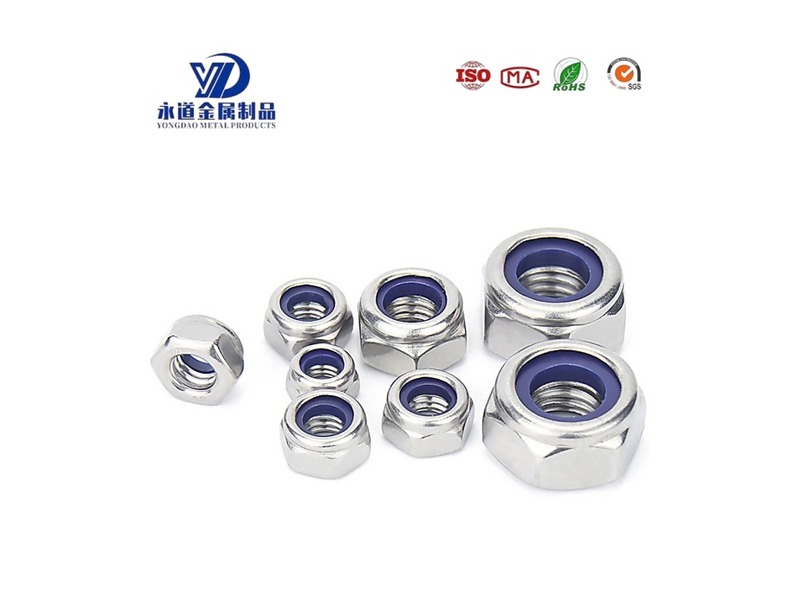 Stainless Steel Nylon Insert Lock Nut
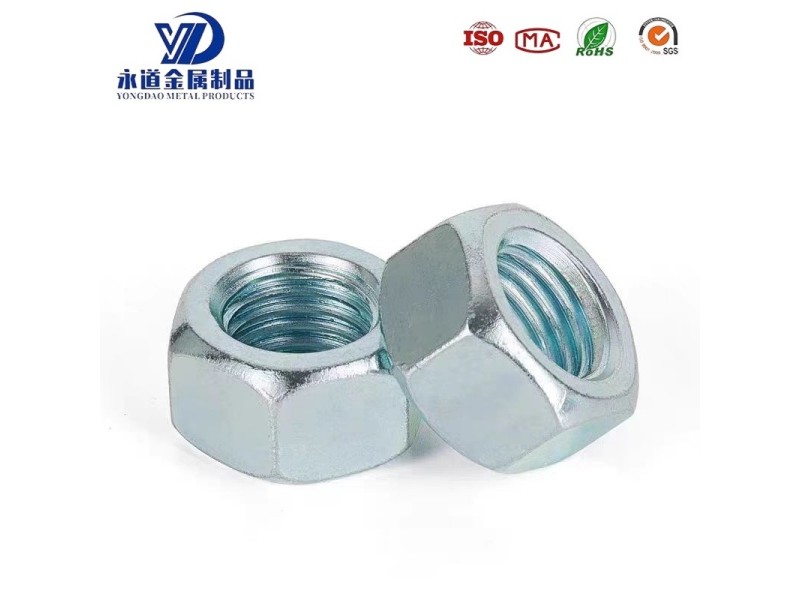 Grade 4/8 Carbon Steel Zinc-Plated Hex Nut
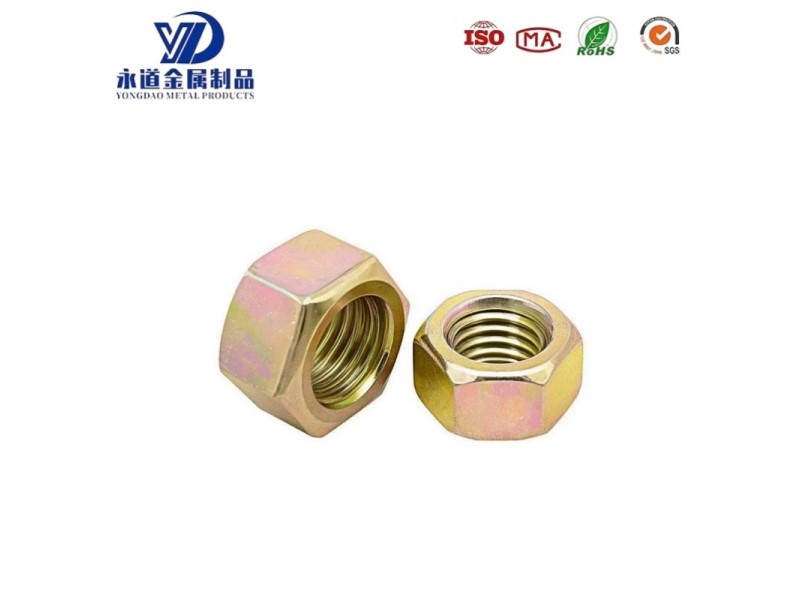 Grade 4/8 Carbon Steel Yellow Zinc-Plated Hex Nut
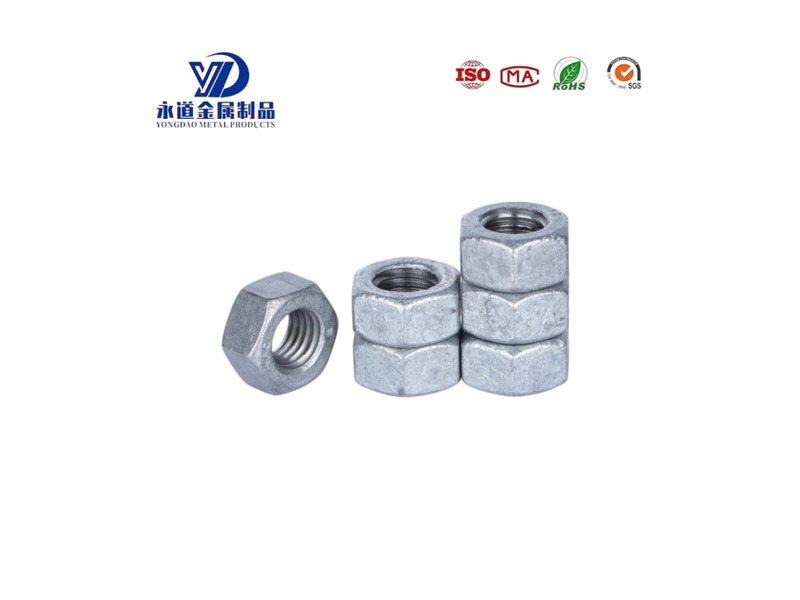 Grade 4/8/10/12 Carbon Steel Hot-Dip Galvanized Hex Nut
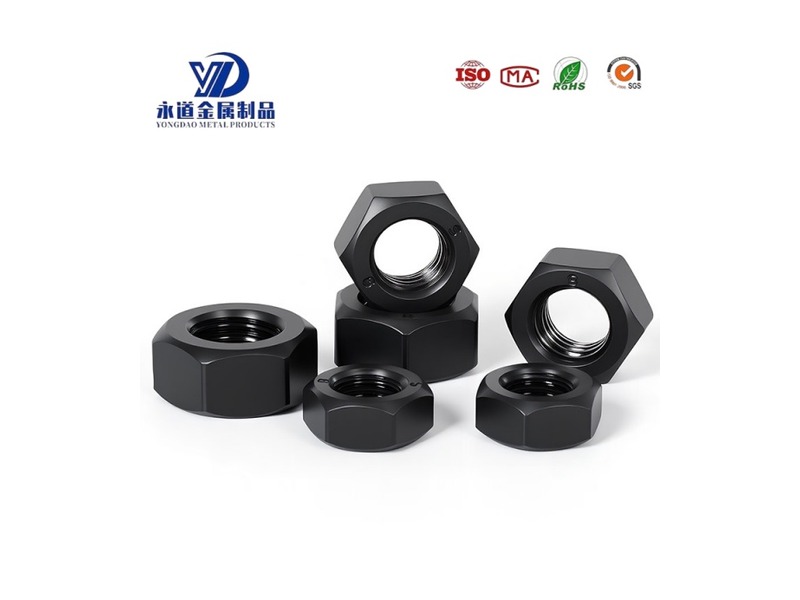 Grade 4/8/10/12 Carbon Steel Black Oxide Hex Nut
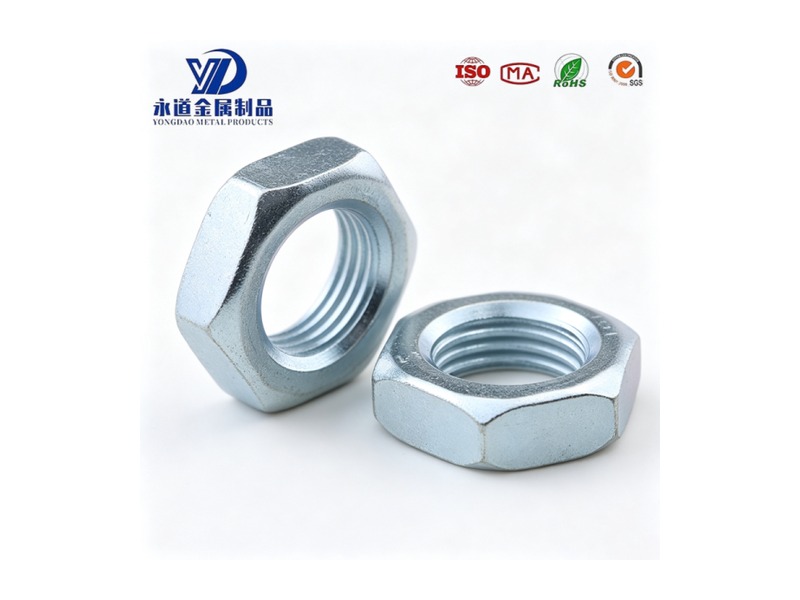 Zinc-Plated Thin Hex Nut
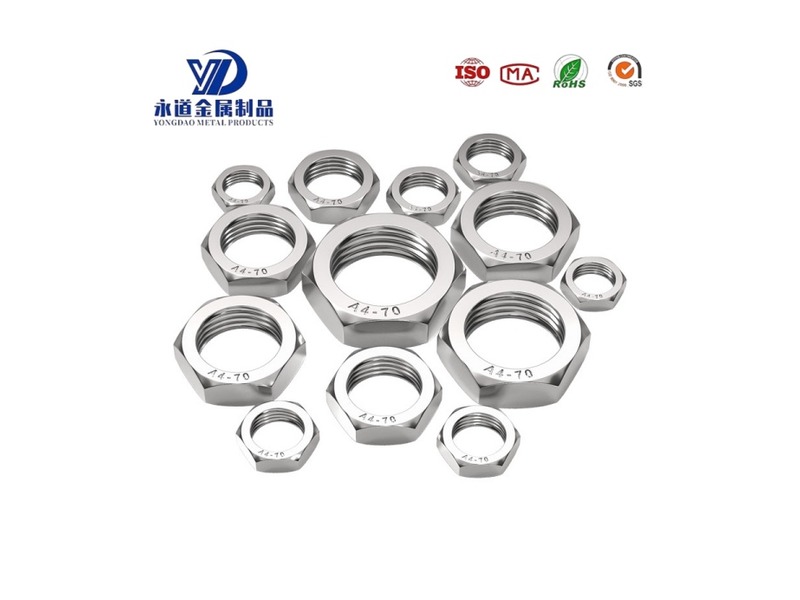 Stainless Steel Thin Hex Nut
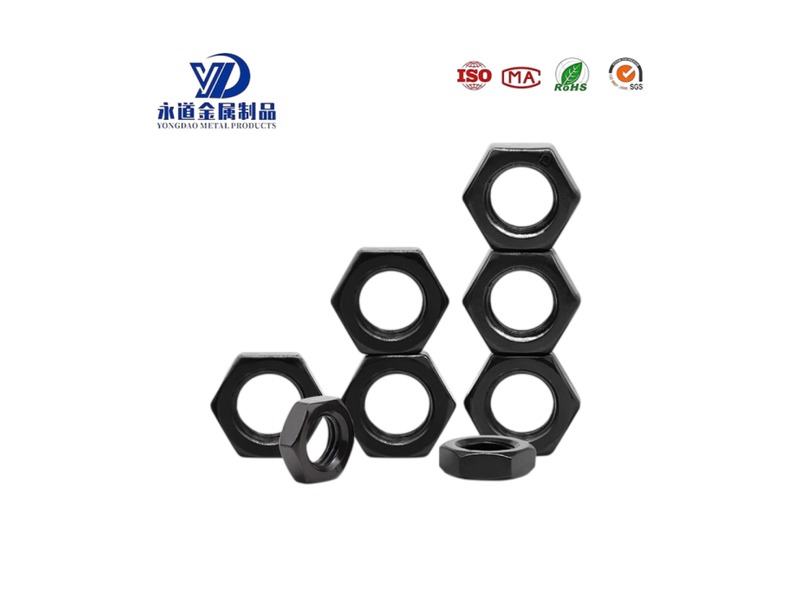 Black Oxide Thin Hex Nut
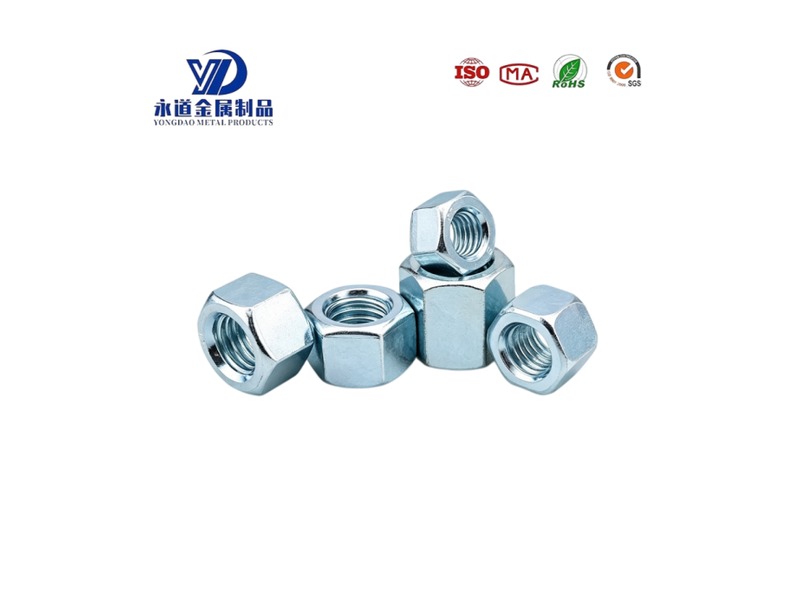 Thick (Heavy) Hex Nut
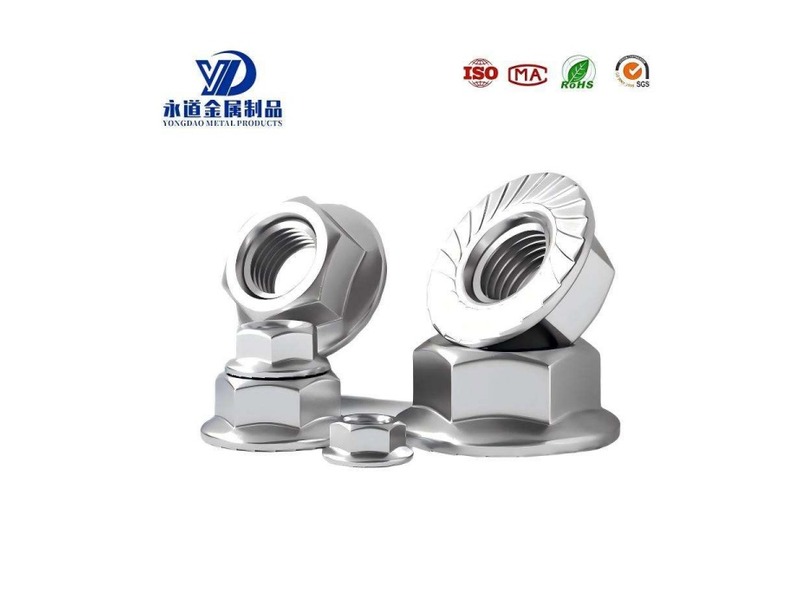 Grade 4/8 Carbon Steel Zinc-Plated Flange Nut
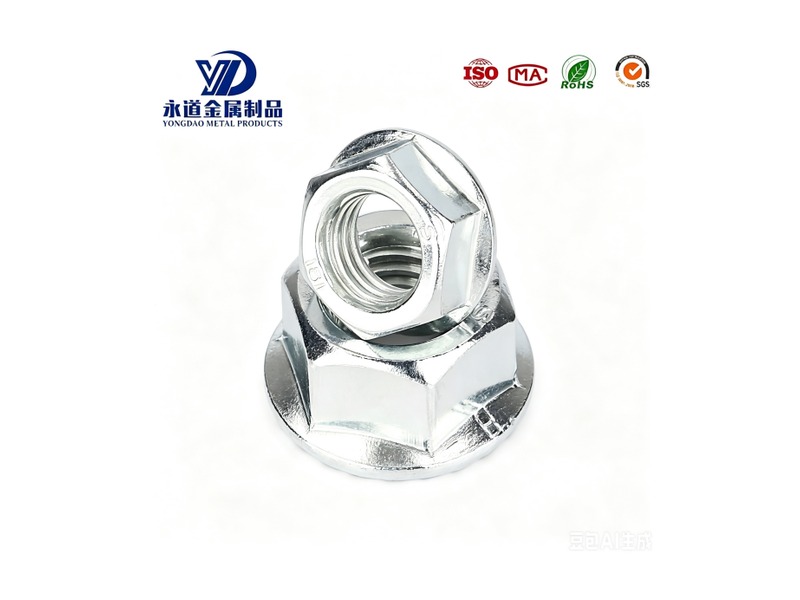 Grade 4/8 Carbon Steel Yellow Zinc-Plated Flange Nut
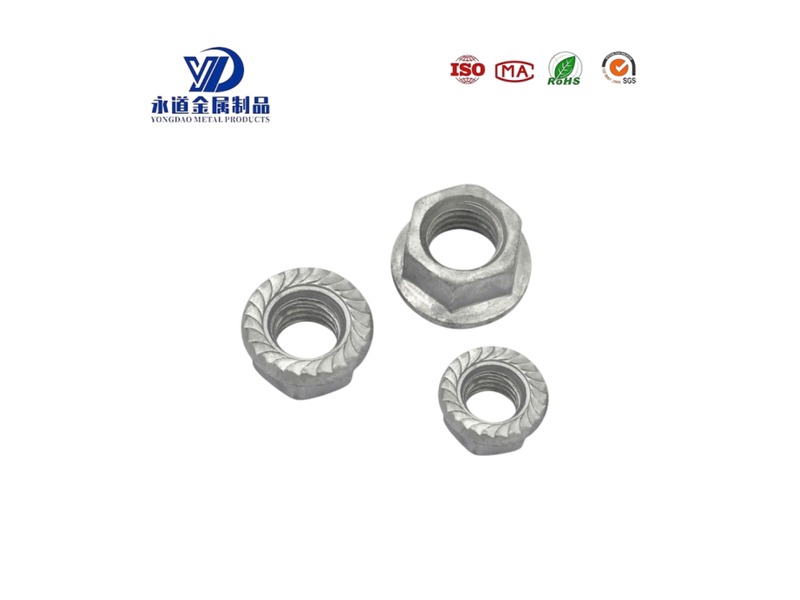 Grade 4/8/10 Carbon Steel Hot-Dip Galvanized Flange Nut
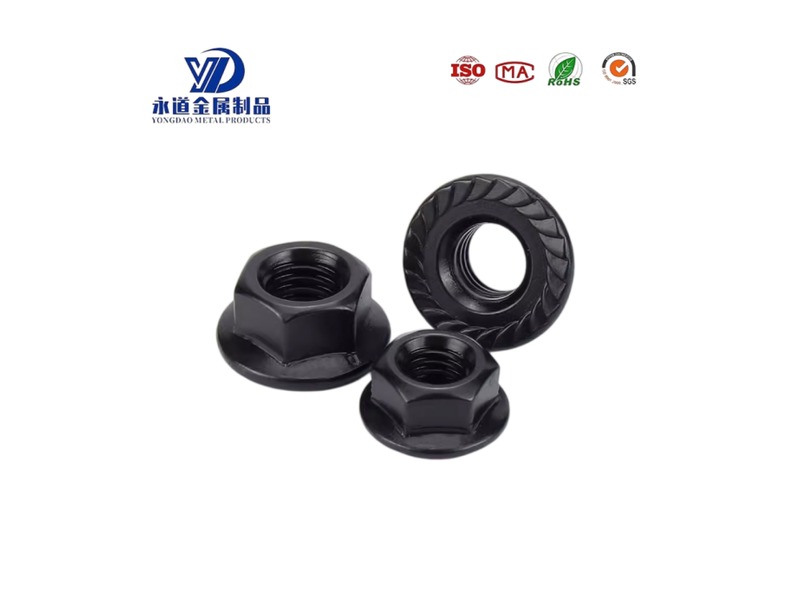 Grade 4/8/10/12 Carbon Steel Black Oxide Flange Nut
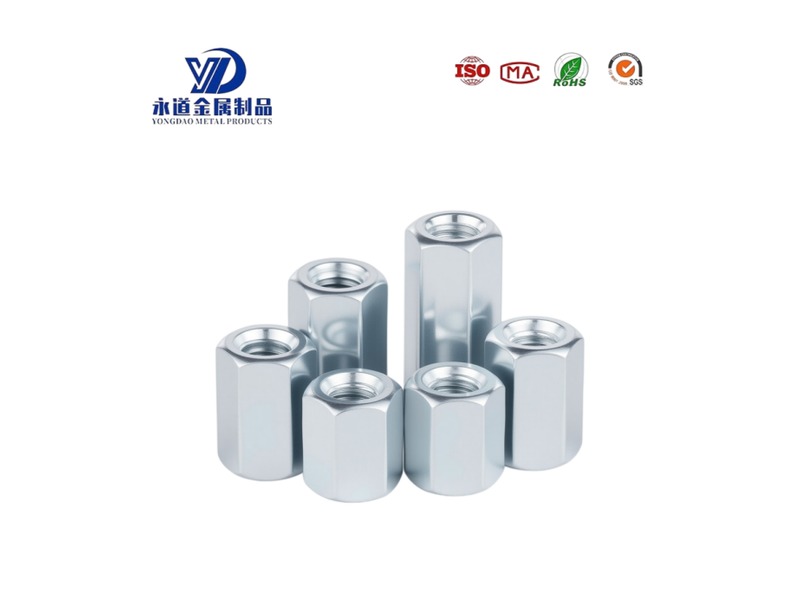 Carbon Steel Long Hex Zinc-Plated Coupling Nut
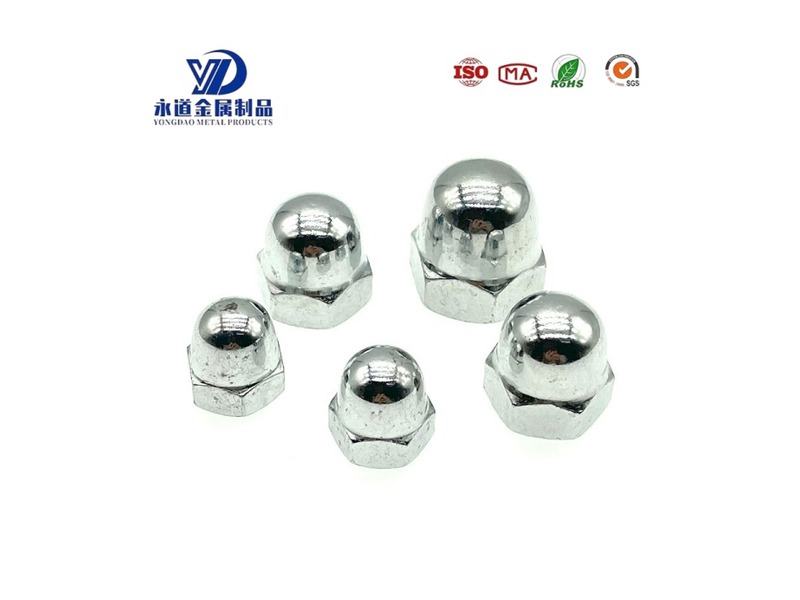 Carbon Steel Zinc-Plated Cap Nut
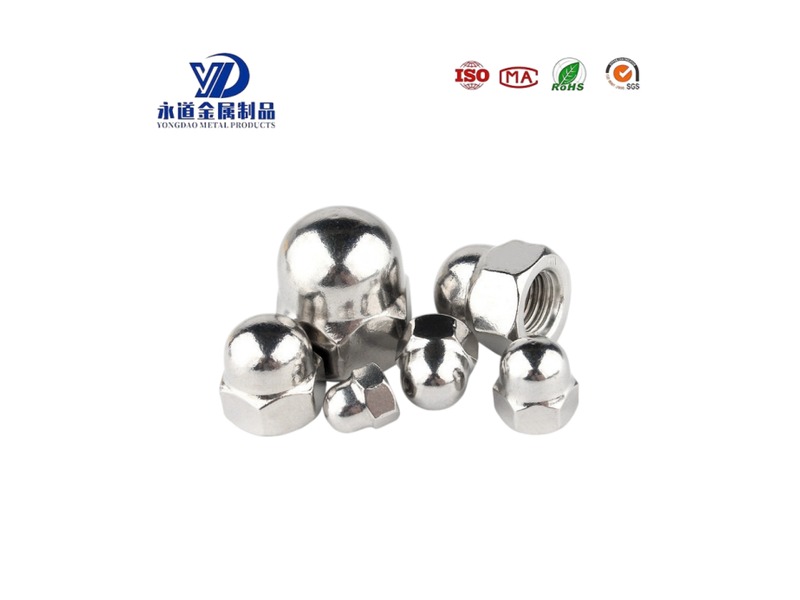 Stainless Steel Cap Nut
Frequently Asked Questions
Common questions about production, customization and orders
How does a nylon insert lock nut resist vibration?
The polyamide ring is cut by the bolt thread and creates prevailing torque, so the nut resists turning even when clamp load drops to zero.
Can the nut be reused?
It can be refitted several times with decreasing grip. Once it turns on freely the insert is worn and should be replaced.
What is the temperature limit?
The nylon insert softens above roughly 120 C. For exhaust, engine and oven duty use an all-metal lock nut instead.
Does it replace a spring washer?
In most vibration applications yes, because the prevailing torque holds the joint independently of clamp load. A washer may still be used for load spreading.
Which bolt class matches grade 8?
8.8 bolts. DIN 985 nuts are lower than standard nuts, so check the joint preload requirement before substituting.
What are MOQ and delivery times?
MOQ 1,000 pieces per size, about 7 days for stock sizes and 15 to 25 days for batch production.