
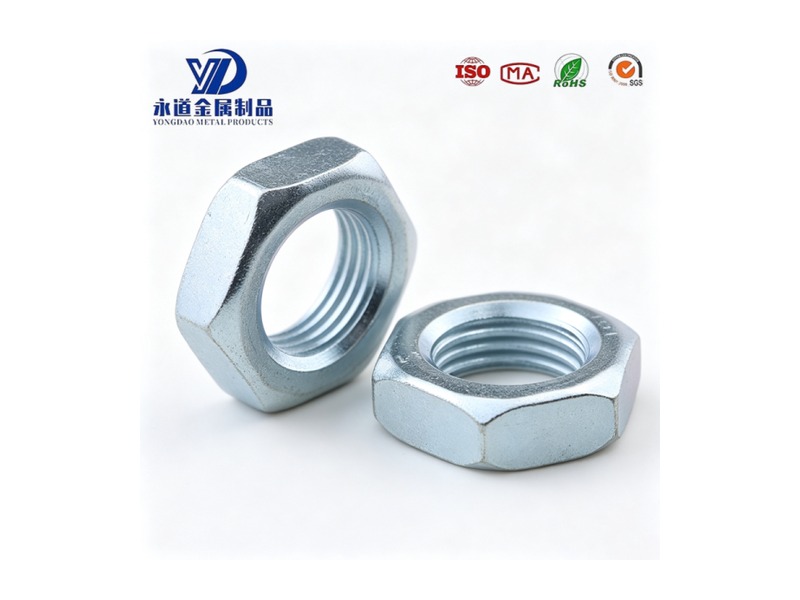
Zinc-Plated Thin Hex Nut
Thin hexagon nut to DIN 936, carbon steel grade 04, zinc-plated, M8~M30, for joints with limited height or where a second nut is used as a locknut
Product parameters
- Product NameZinc-Plated Thin Hex Nut
- CategoryNut / Hex Nut
- BrandYONGDAO METAL
- Surface FinishZinc-plated
- MaterialCarbon Steel
- Size RangeM8~M30
- GradeGrade 04
- StandardDIN 936
- MOQ1000 pcs
- OriginHandan, Hebei, China
Items marked "—" are subject to confirmation by actual inquiry; please contact us by email or phone for detailed specifications and quotations.
Product introduction
The thin hex nut to DIN 936 is a standard hexagon body with reduced height, roughly half that of a DIN 934 nut of the same size. That single difference defines where it belongs: joints where there is not enough thread or clearance for a full-height nut, and paired-nut locking arrangements where a thin nut is run down first and a standard nut tightened against it. The thread is metric coarse from M8 to M30, the material is carbon steel at grade 04, and the finish is electroplated zinc.
Reduced height means reduced load-bearing thread. A thin nut engages fewer threads, so its proof load is lower than a standard nut of the same class, and it should not be used as a direct substitute in a joint designed around DIN 934. Where the application needs the same strength in a smaller envelope, the correct answer is usually a higher class thin nut or a change of design rather than accepting a strength loss. We state the class on the label so the assembly line knows exactly what is being fitted.
In the paired-nut locking method, the thin nut goes on first, is tightened to a modest torque, and the full nut is then tightened against it, so the two nuts load each other and the bolt thread in opposite directions. Done this way the arrangement resists vibration without any insert or adhesive. It is a practical solution on machinery that is regularly serviced, because the joint can be broken and remade with ordinary tools and no thread damage.
Zinc plating keeps the nut clean in indoor service and provides a predictable friction level for torque-controlled tools. Assembly still follows the basic rules: chase the thread clean, start the nut by hand, keep at least one nominal diameter of engagement where the joint carries load, and use a washer where the clamped surface is soft. On thin nuts specifically, over-tightening is the common failure: the nut distorts before the bolt reaches its target load, so the torque setting should be taken from the nut's own capacity, not the bolt's.
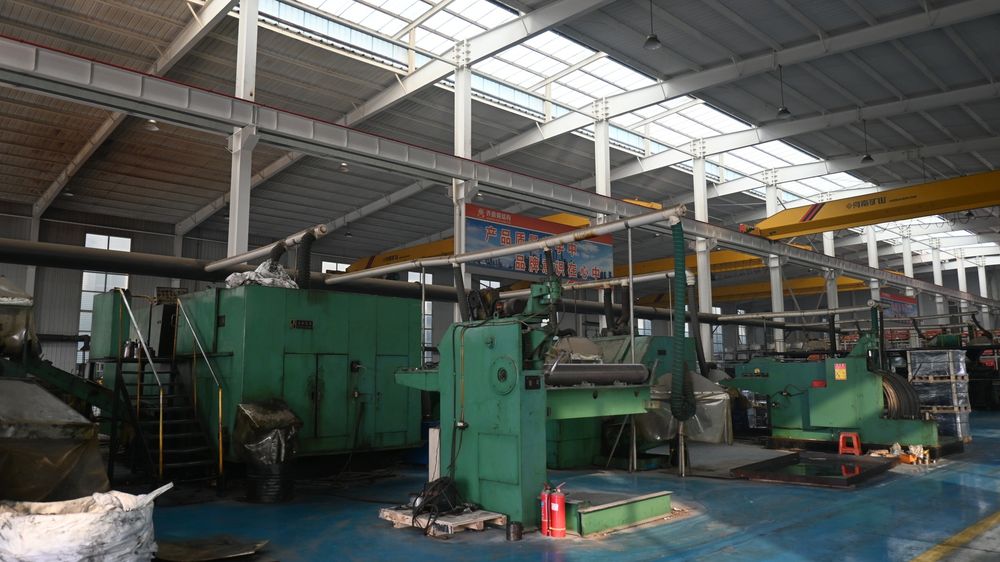
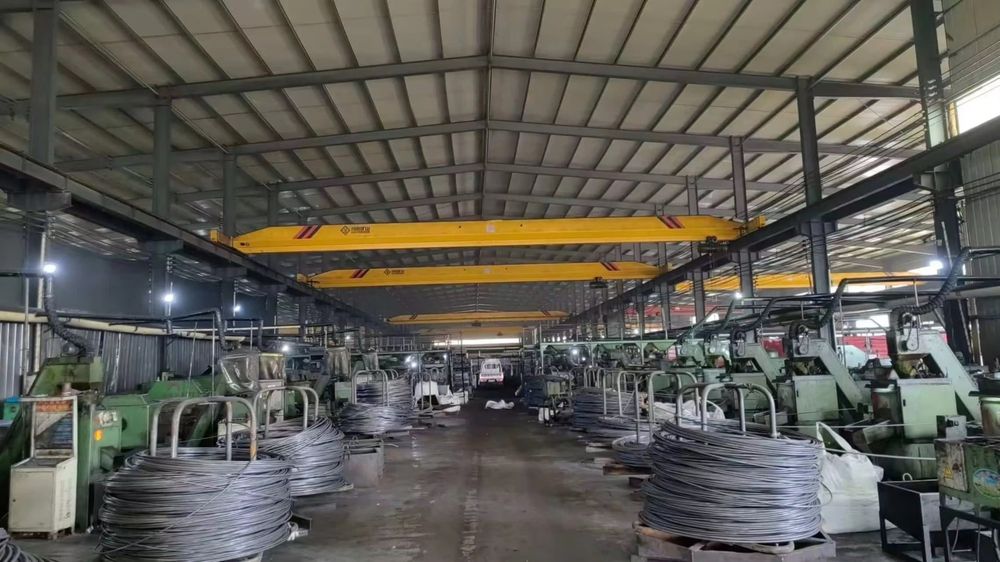
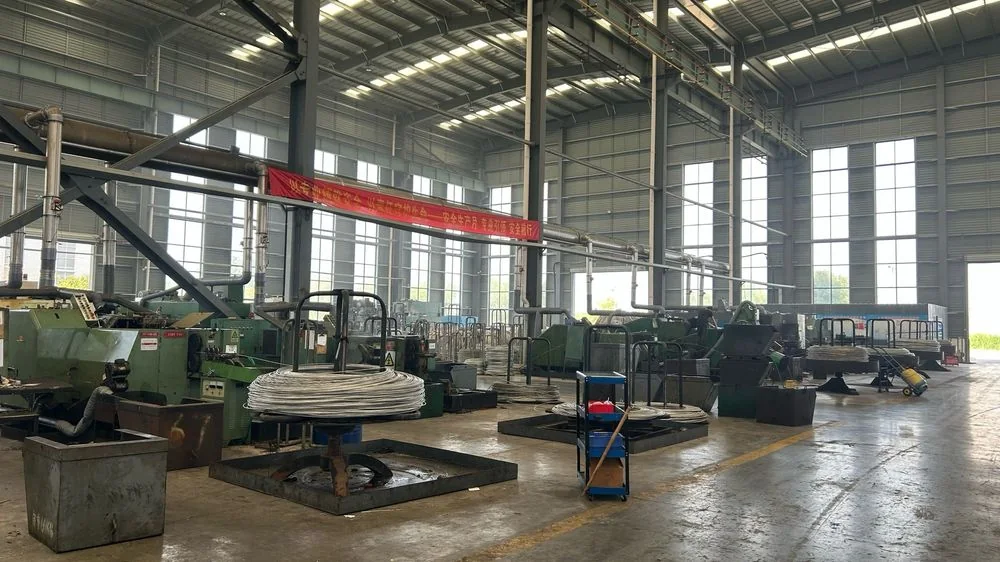
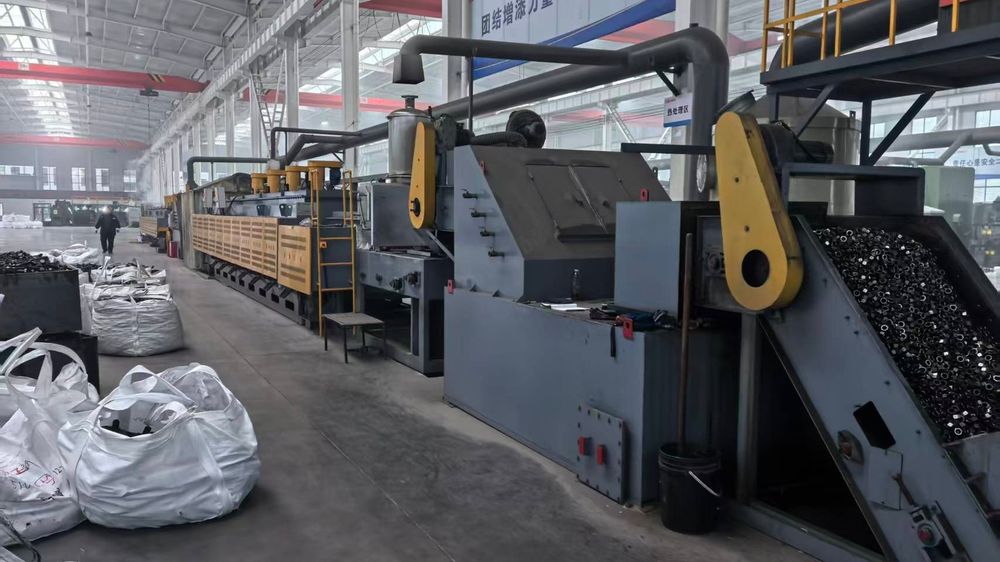
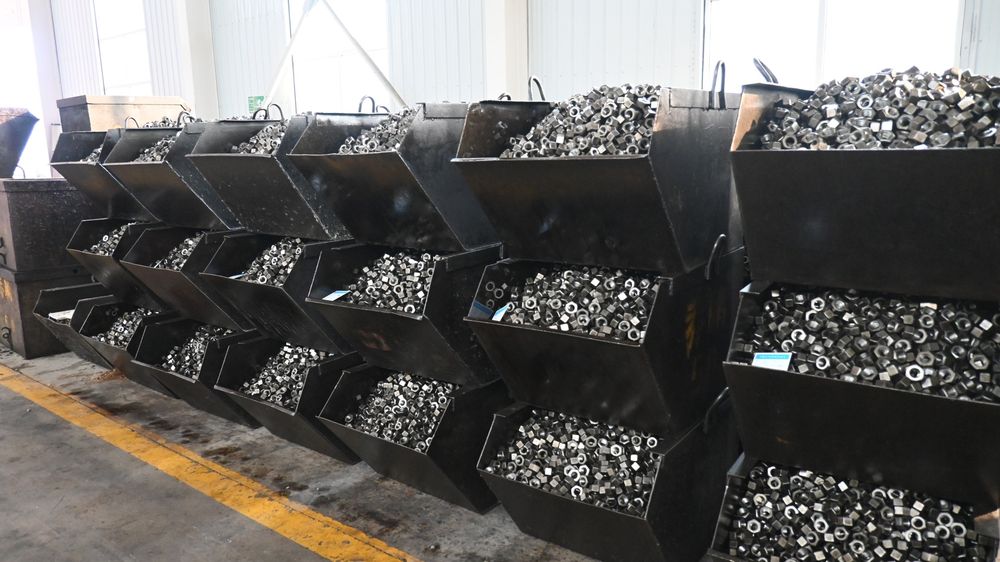
Production is at Handan Yongdao Metal Products Co., Ltd., a plant of about 20,000 square metres with roughly 300 employees and an annual capacity near 25,000 tons, running heading, tapping, heat treatment, plating and packing under one roof. ISO 9001 certified, with thread gauging at about 99.8% first-pass acceptance, dimensions held at CPK 1.33 or better and on-time delivery around 98.5%.
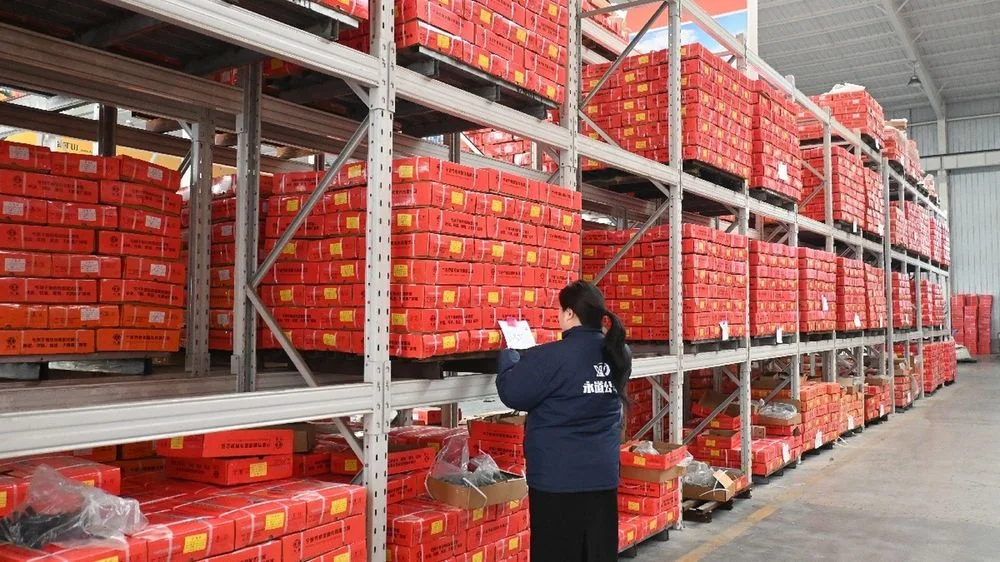
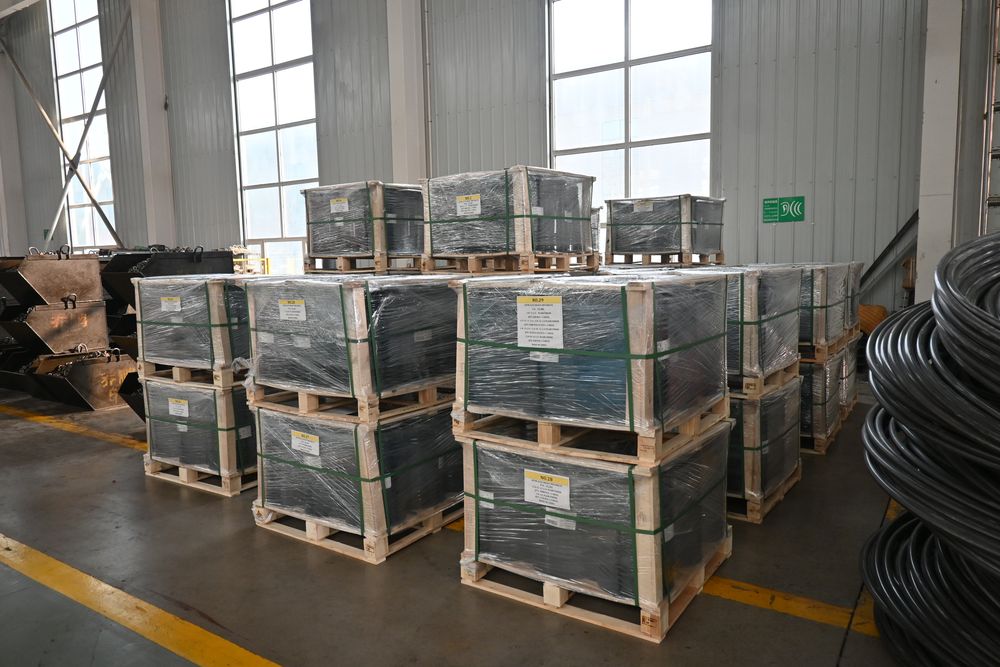
Terms are MOQ 1,000 pieces per size, stock dispatch in about 7 days and 15 to 25 days for batch production. OEM options cover class, coating, marking and buyer-branded cartons, and matching thin and standard bolts and washers can be shipped together. Typical uses are machine guards, covers, brackets, panel fixing and locknut pairs on equipment that is assembled and serviced in the field.
Buyers sometimes ask for a thin nut simply because it is cheaper. The honest answer is that it saves height and weight, not much cost, and it gives up load capacity in exchange. Where the design can accept a standard nut, the standard nut remains the better engineering choice and the thin nut should be reserved for the places it was invented for.
Applications
FACTORY TOUR
PACKING & DELIVERY
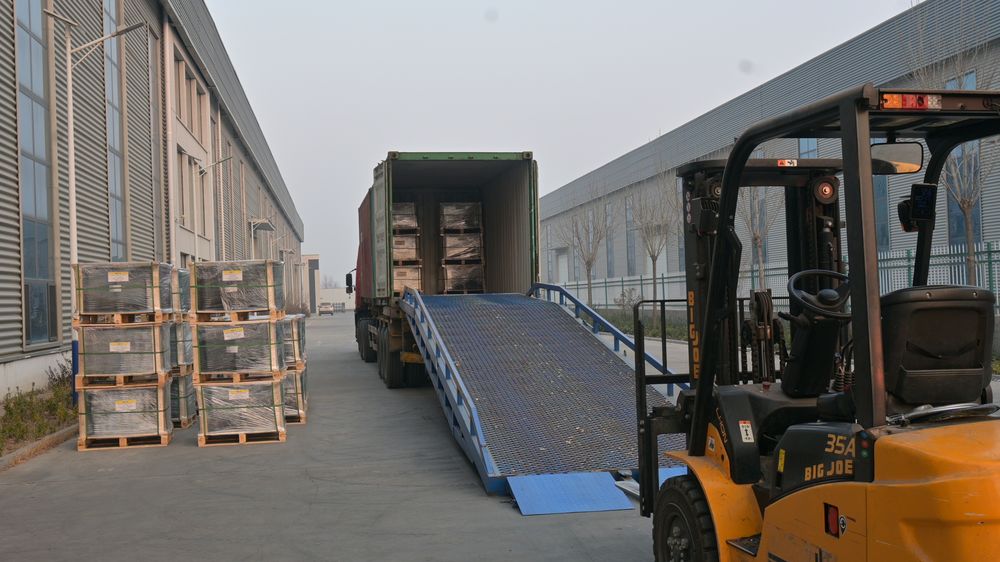
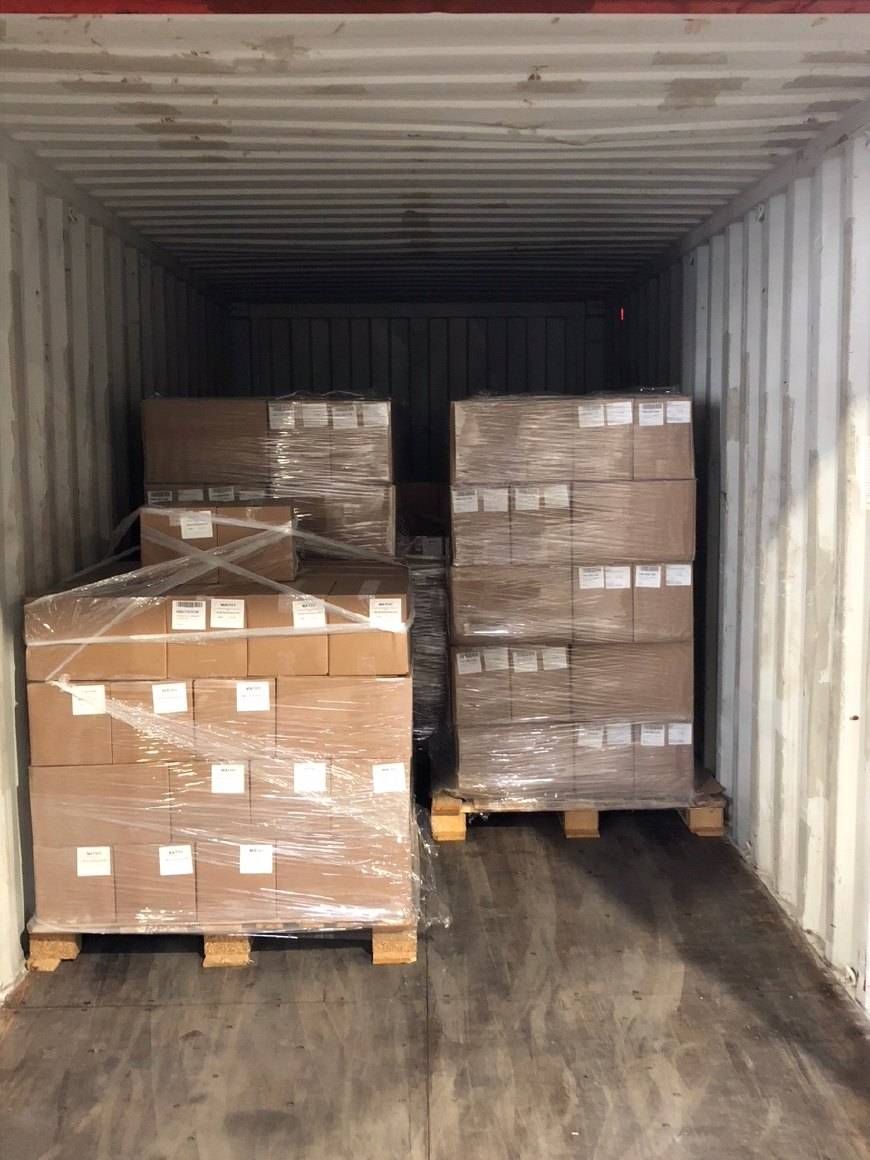

Customized delivery process
Order precautions
Before placing an order, please confirm the required product category with our sales or service staff. Customized products are not eligible for return or exchange; ex-works prices do not include taxes or freight. Every batch is strictly inspected before shipment, and minor imperfections are not considered quality problems. Please check the goods carefully upon receipt and contact us promptly if you have any questions.
- 1Provide custom drawings
- 2Choose material
- 3Get a quotation
- 4Sign the contract
- 5Production
- 6Packing & shipping
- 7Confirm receipt
- 8Order completed
Product inquiry
Related products
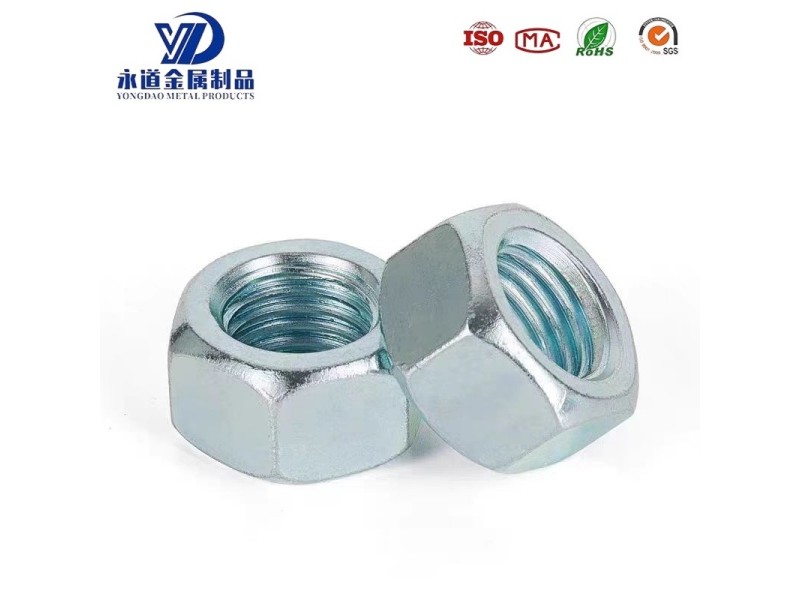 Grade 4/8 Carbon Steel Zinc-Plated Hex Nut
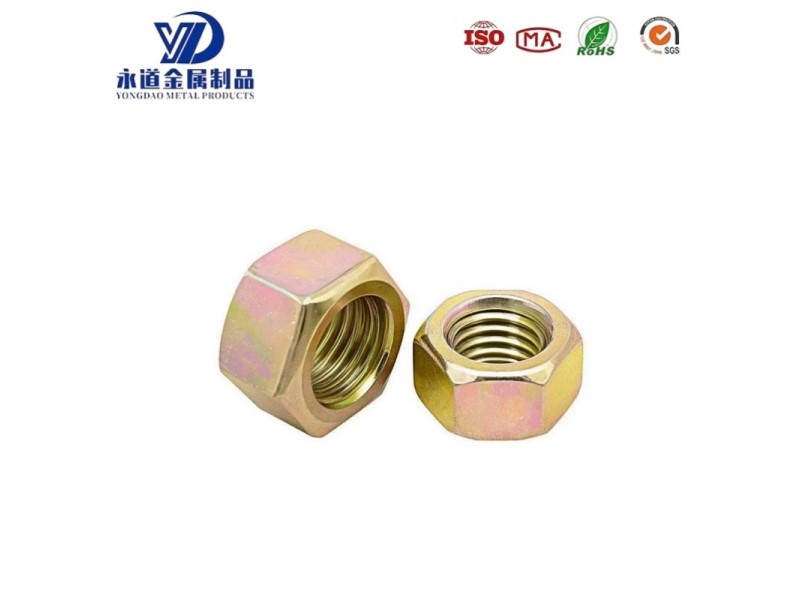 Grade 4/8 Carbon Steel Yellow Zinc-Plated Hex Nut
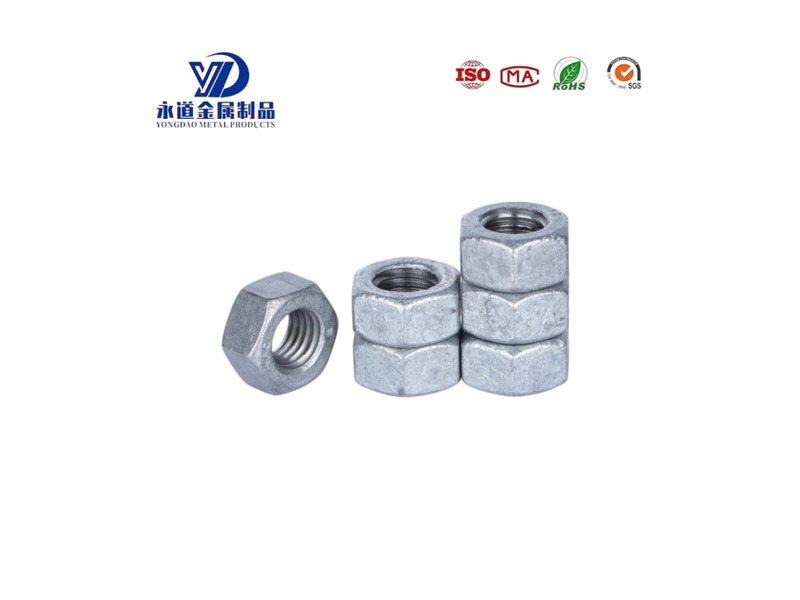 Grade 4/8/10/12 Carbon Steel Hot-Dip Galvanized Hex Nut
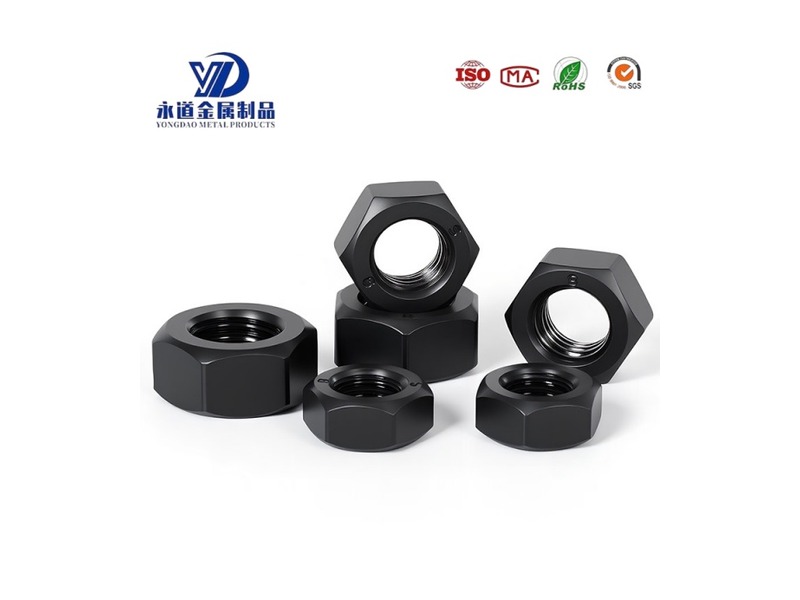 Grade 4/8/10/12 Carbon Steel Black Oxide Hex Nut
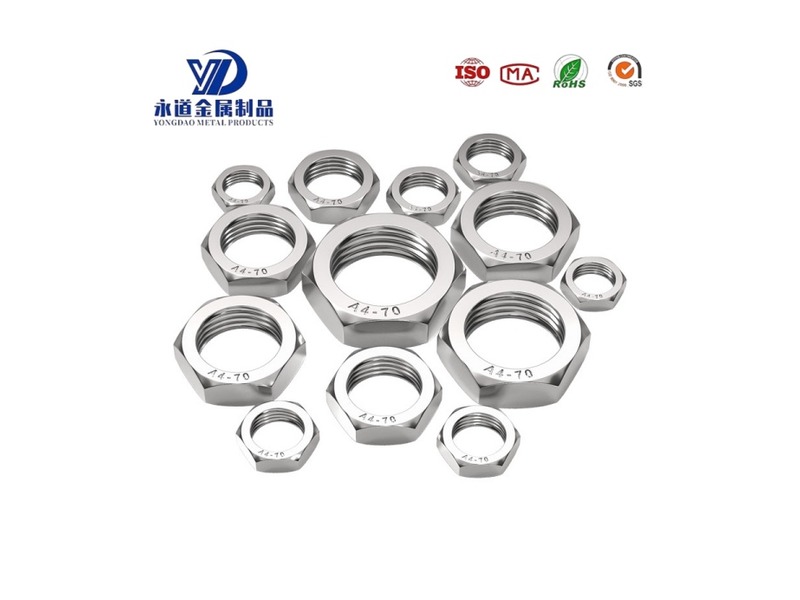 Stainless Steel Thin Hex Nut
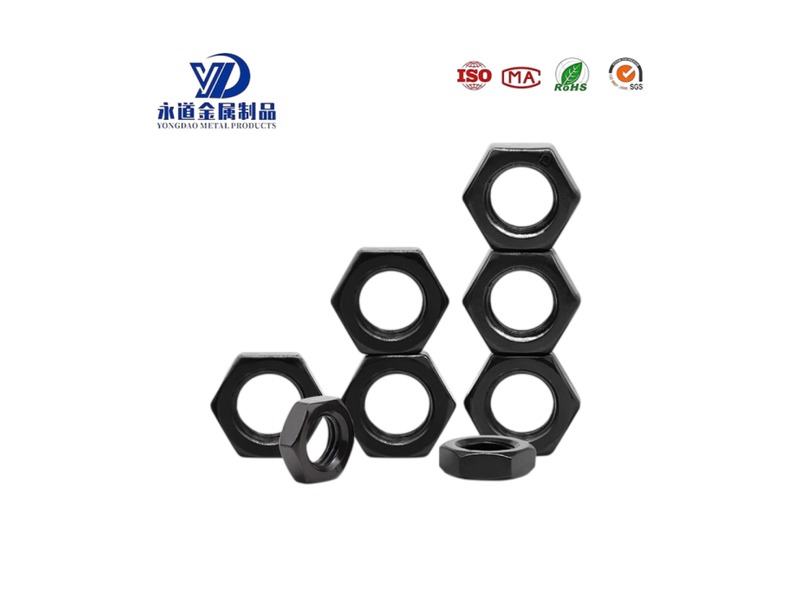 Black Oxide Thin Hex Nut
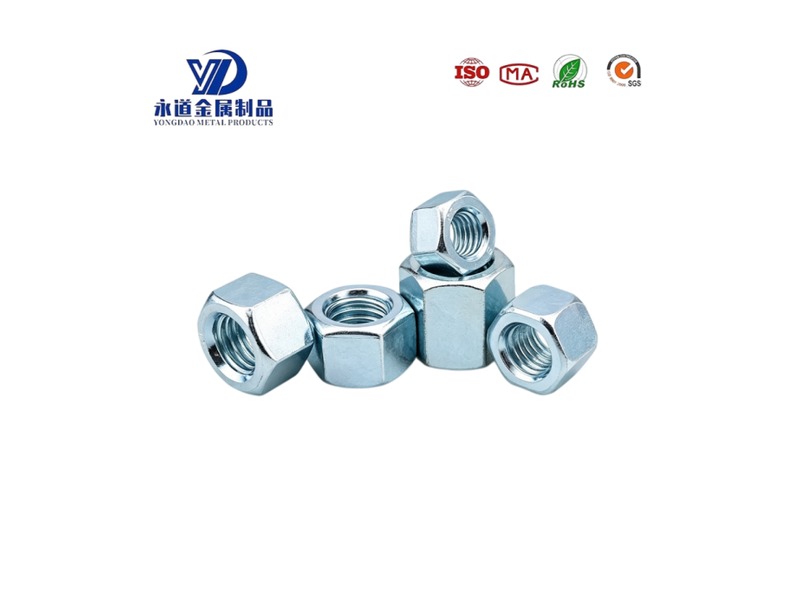 Thick (Heavy) Hex Nut
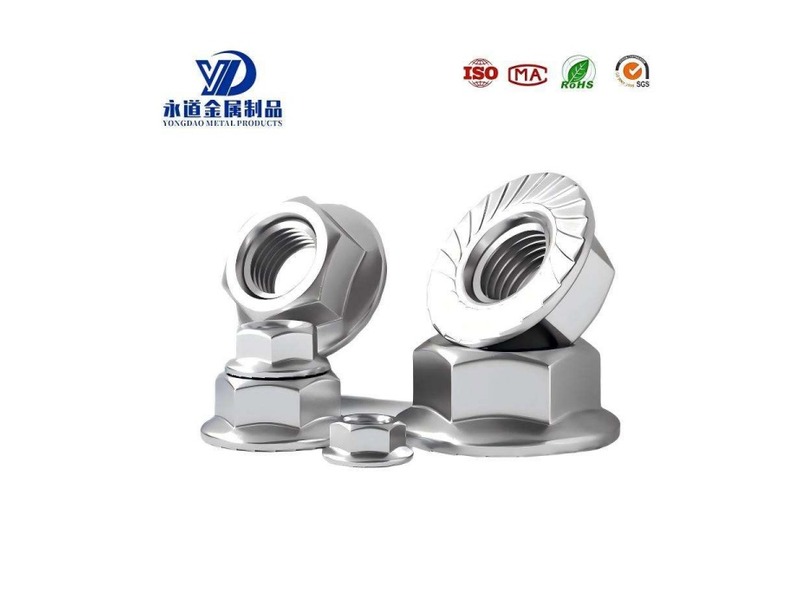 Grade 4/8 Carbon Steel Zinc-Plated Flange Nut
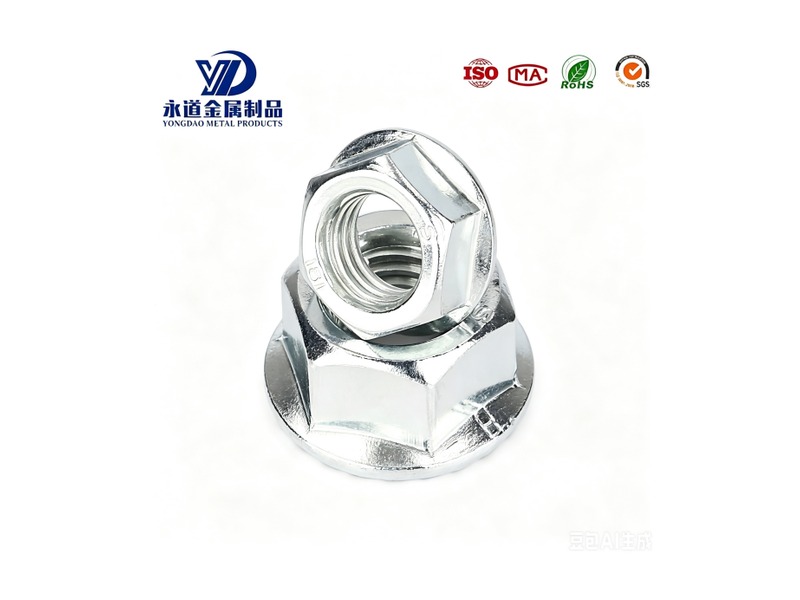 Grade 4/8 Carbon Steel Yellow Zinc-Plated Flange Nut
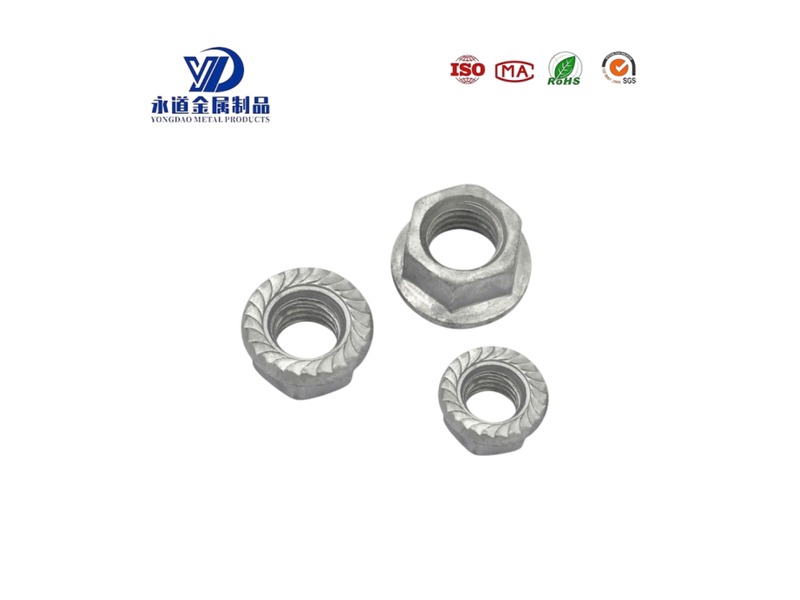 Grade 4/8/10 Carbon Steel Hot-Dip Galvanized Flange Nut
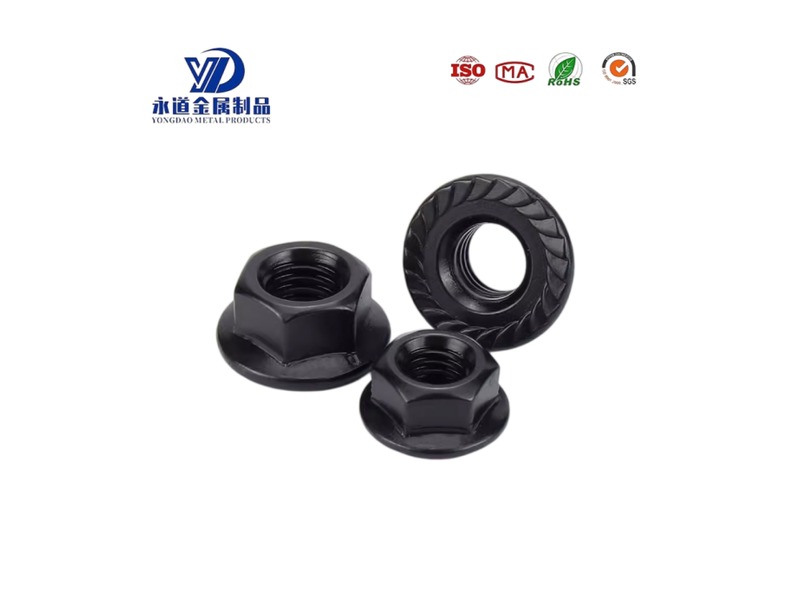 Grade 4/8/10/12 Carbon Steel Black Oxide Flange Nut
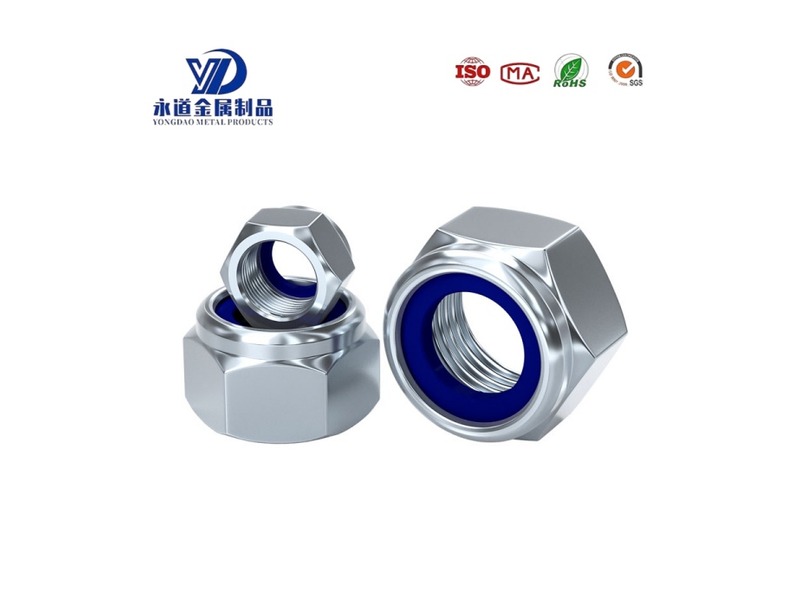 Carbon Steel Zinc-Plated Nylon Insert Lock Nut
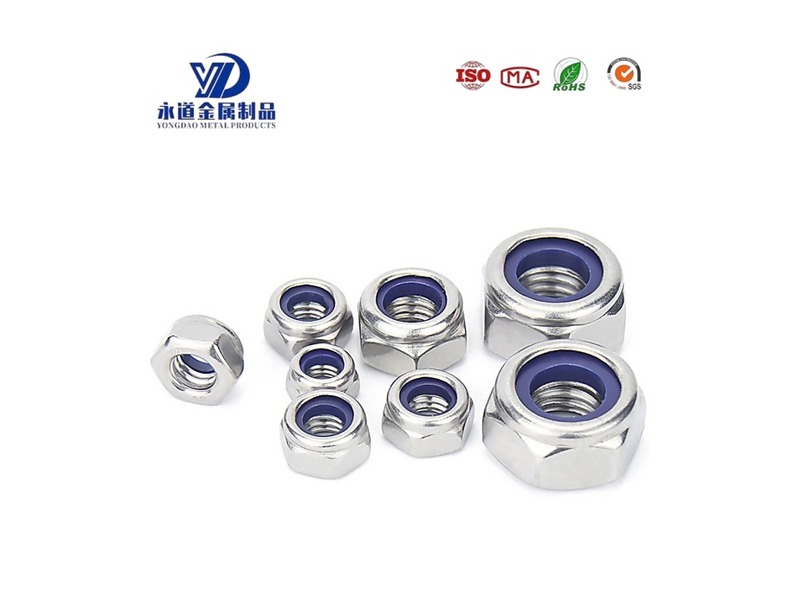 Stainless Steel Nylon Insert Lock Nut
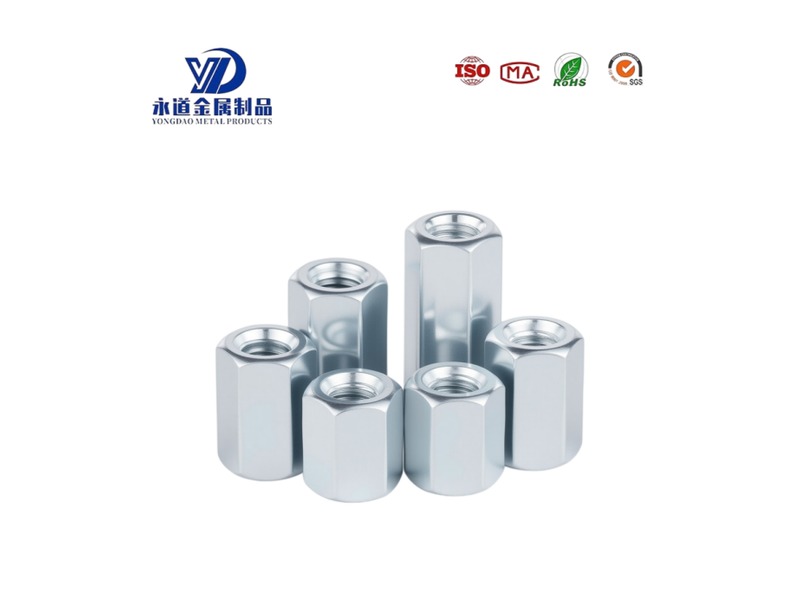 Carbon Steel Long Hex Zinc-Plated Coupling Nut
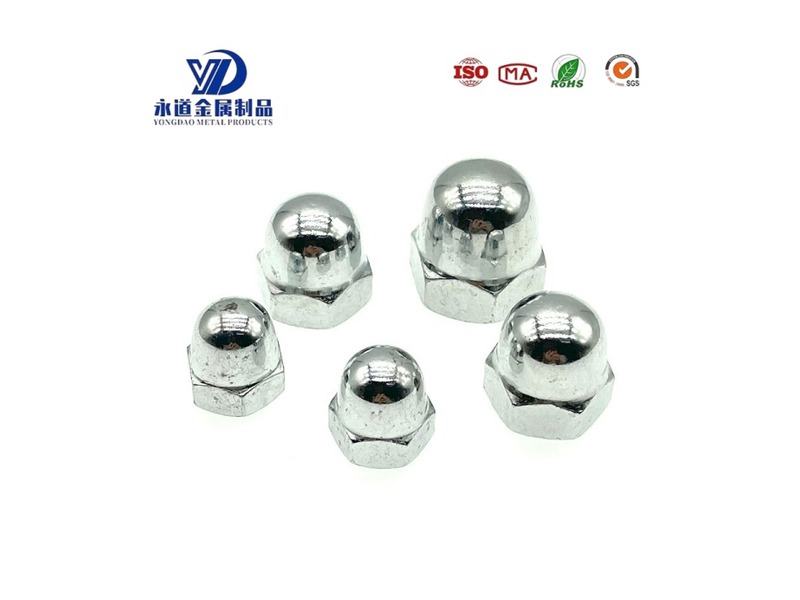 Carbon Steel Zinc-Plated Cap Nut
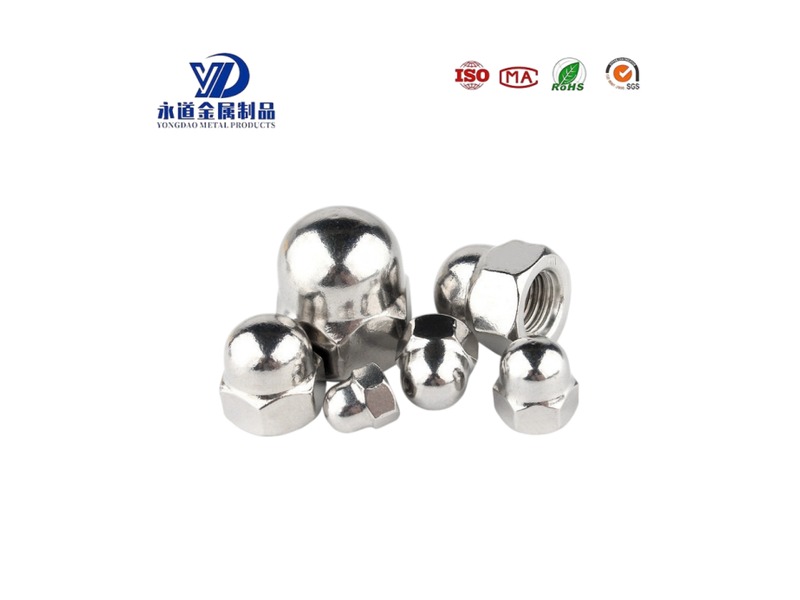 Stainless Steel Cap Nut
Frequently Asked Questions
Common questions about production, customization and orders
When should a thin nut be used instead of a standard nut?
When joint height or available thread is limited, or when two nuts are used together for locking. It is not a strength-equivalent replacement for DIN 934.
How does the thin-nut locking method work?
The thin nut is fitted and tightened first, then a full nut is tightened against it. The two nuts load the bolt thread in opposite directions and resist loosening.
What class is this nut supplied in?
Grade 04 as standard, stated on the label. Higher classes are available to order, and the class must be considered against the joint load.
Can it be tightened to the same torque as a full nut?
No. The reduced height distorts earlier, so the torque limit comes from the nut capacity rather than the bolt. Over-tightening is the usual failure mode.
Is the zinc plating enough for outdoor use?
It suits indoor and sheltered service. For exposed or wet conditions use a galvanized or stainless alternative.
What are MOQ and lead times?
MOQ 1,000 pieces per size, about 7 days for stock sizes, and 15 to 25 days for batch production of non-stock sizes and finishes.