
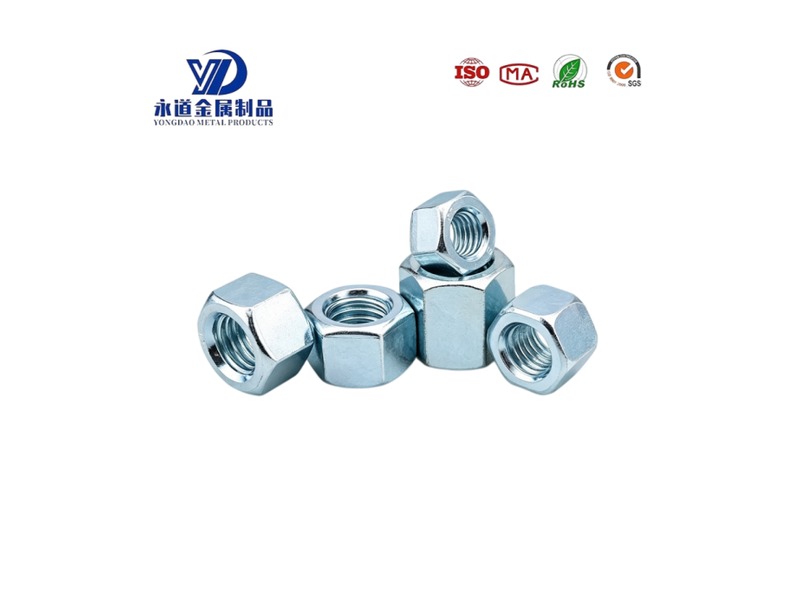
Thick (Heavy) Hex Nut
Thick heavy hexagon nut to GB55/GB56, carbon steel grade 8, M16~M36, with extra height for high preload and deep thread engagement
Product parameters
- Product NameThick (Heavy) Hex Nut
- CategoryNut / Hex Nut
- BrandYONGDAO METAL
- Surface Finish—
- MaterialCarbon Steel
- Size RangeM16~M36
- GradeGrade 8
- StandardGB55/GB56
- MOQ1000 pcs
- OriginHandan, Hebei, China
Items marked "—" are subject to confirmation by actual inquiry; please contact us by email or phone for detailed specifications and quotations.
Product introduction
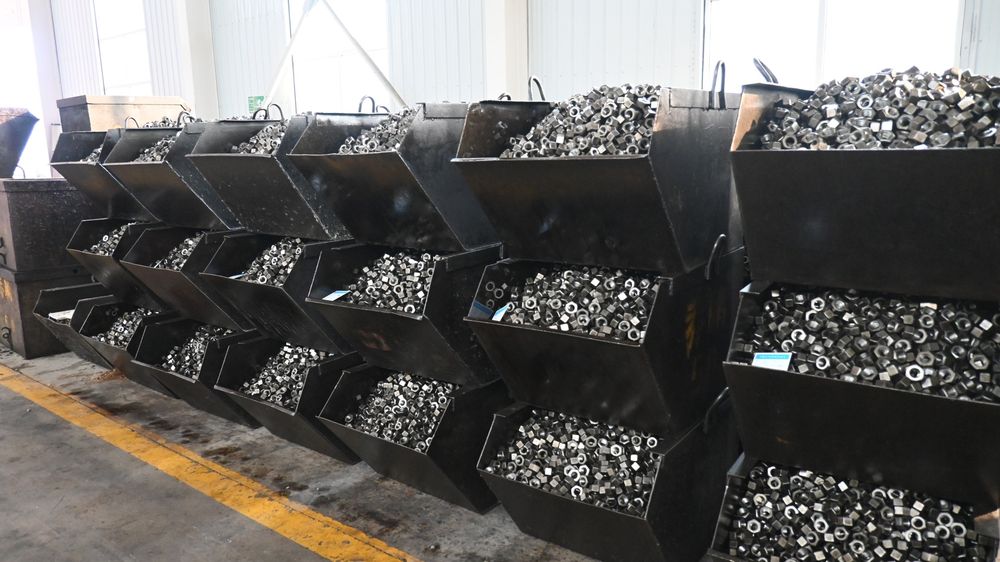
The thick heavy hex nut is the reinforced member of the hex family: same hexagon form, but with a height clearly greater than a standard nut, produced to the Chinese GB55 and GB56 heavy nut standards in carbon steel grade 8, from M16 to M36. The extra height carries more engaged thread, distributes load over a larger bearing area and resists distortion under high preload. It is the nut specified for heavy machinery, presses, crane and steel mill equipment, and for joints that must survive repeated shock rather than steady load.
Height is the whole point, so the comparison to make is with DIN 934. A heavy nut can engage noticeably more thread and its proof load is higher, which matters when the bolt is large and the joint must hold preload through vibration. Where a designer upgrades a joint from a standard to a heavy nut, bolt length must be checked at the same time: the threaded portion has to be long enough for full engagement plus at least two protruding threads, and the nut must not bottom on an unthreaded shank.
Because these sizes are used on loaded equipment, assembly discipline carries real safety weight. Threads are cleaned and lightly lubricated, washers are fitted under both nut and head to protect bearing faces and spread load, and tightening is done to a specified torque with a calibrated wrench, in a sequence that brings the joint down evenly where several fasteners share the load. Grade 8 nuts are matched with 8.8 bolts; substituting a higher-class nut without checking the bolt changes which part fails first and is not a safe shortcut.
On M30 and M36 sizes the nut is a substantial steel part, and handling and storage affect results: dropped or damaged nuts should be rejected rather than dressed with a file, since a distorted thread will not develop the intended preload. Where the joint is dismantled for maintenance, mark the position of each nut and refit in the same place, and replace any nut whose thread shows flattening or galling. A heavy nut is expensive to replace but cheap compared with a failed joint.
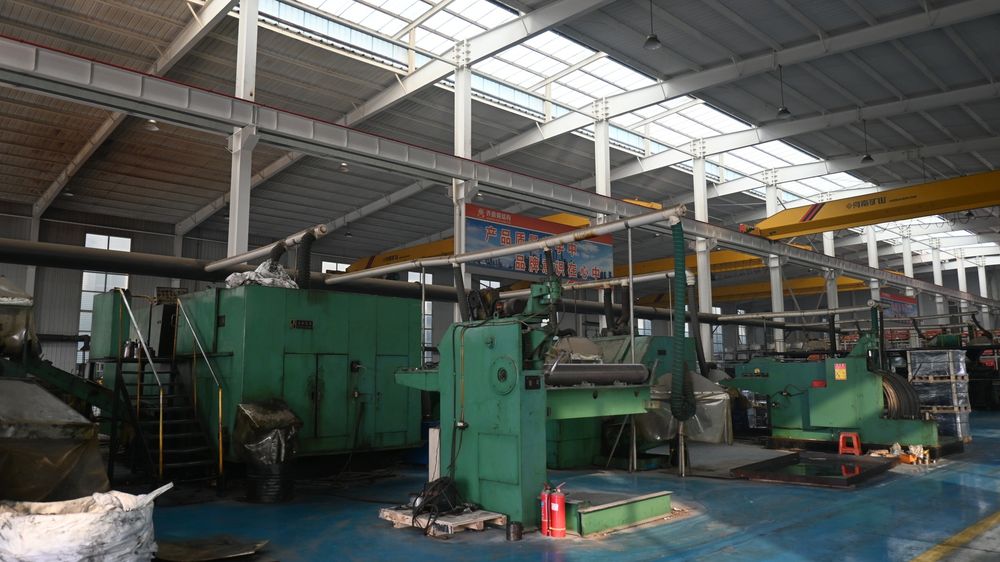
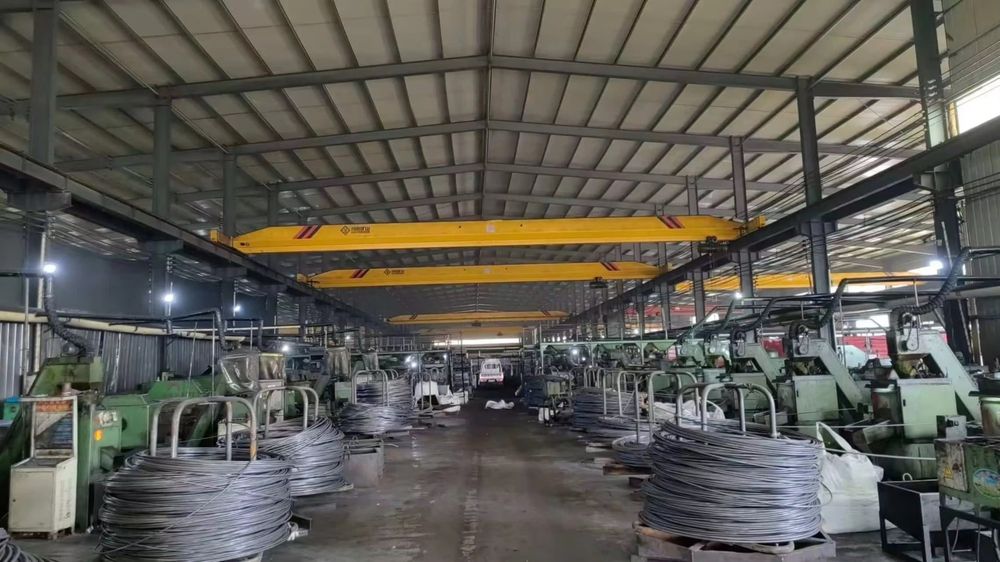
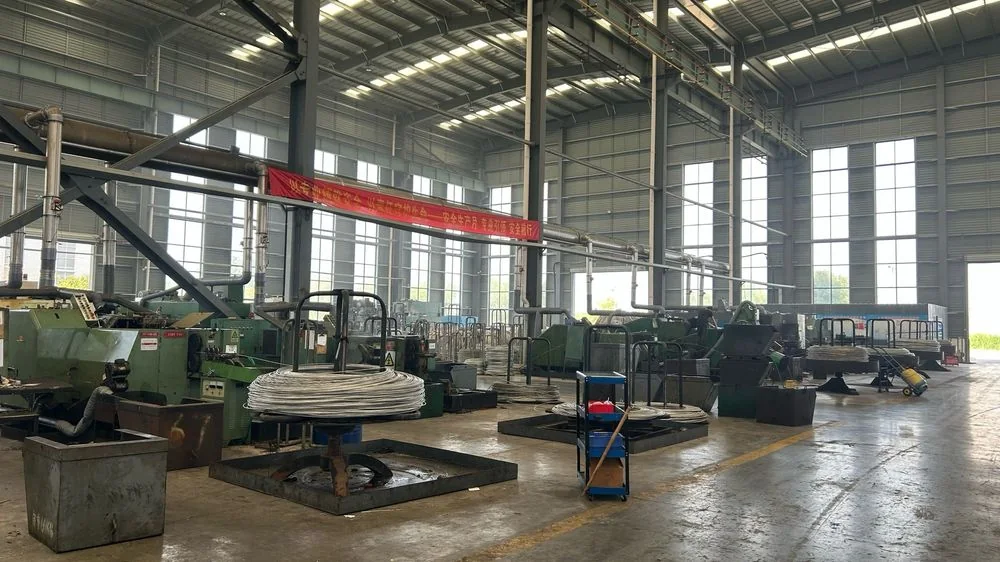
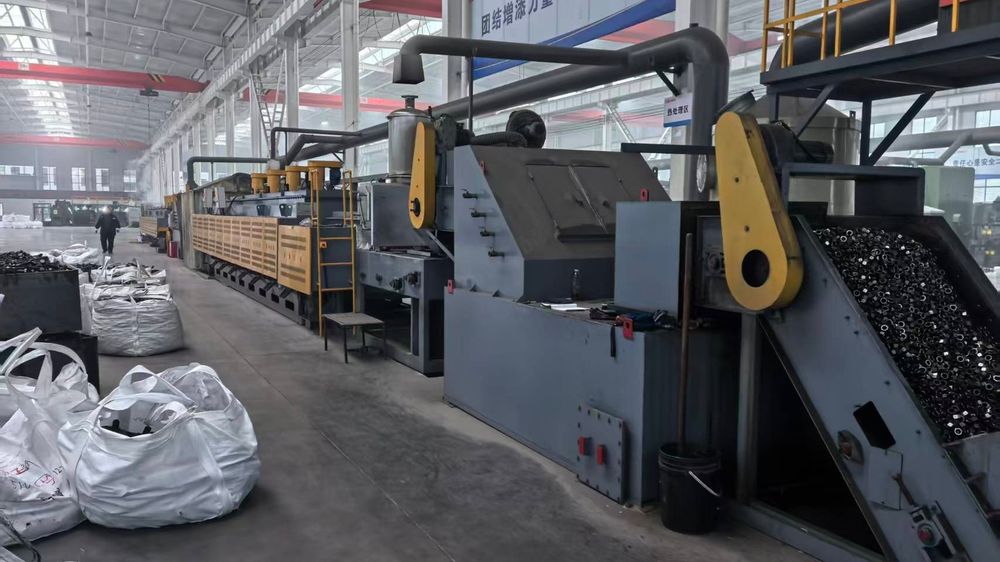
Production is at Handan Yongdao Metal Products Co., Ltd., about 20,000 square metres with roughly 300 employees and an annual capacity near 25,000 tons, covering heading, tapping, heat treatment and packing. The quality system is ISO 9001 certified; thread gauging holds about 99.8% first-pass acceptance, critical dimensions run at CPK 1.33 or better, and on-time delivery is about 98.5%.
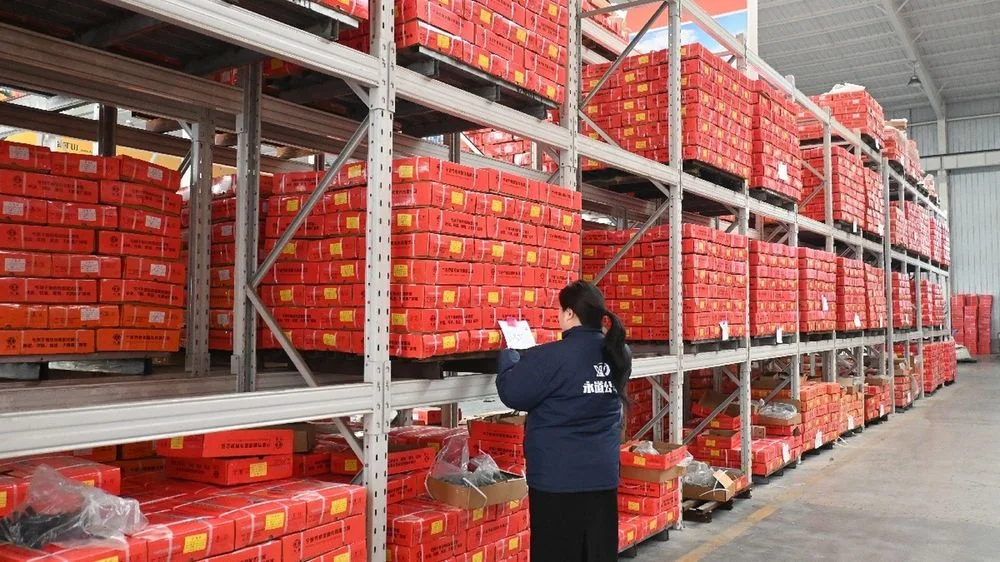
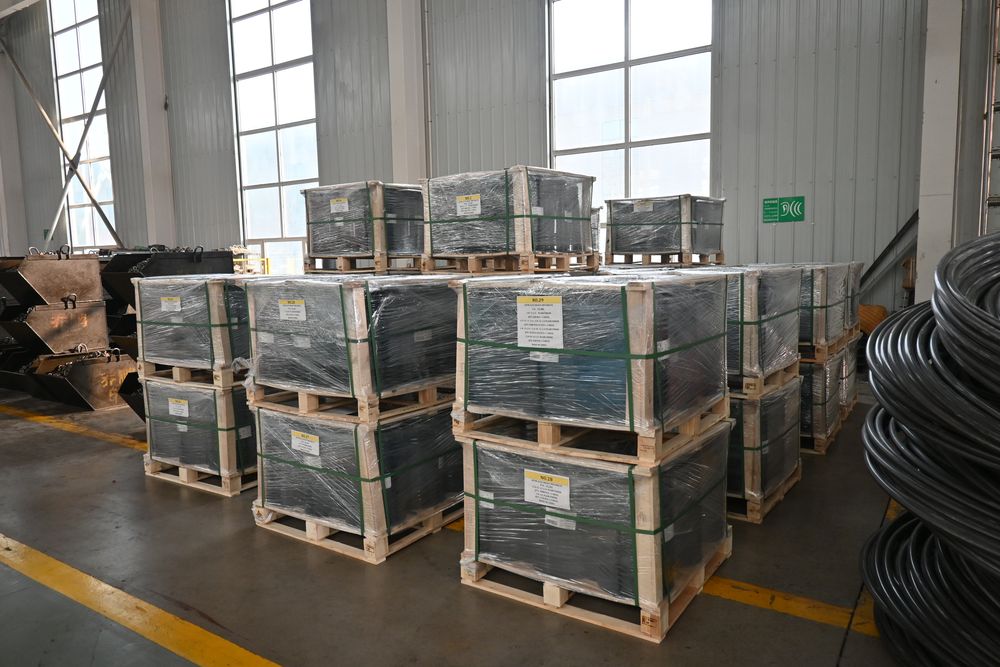
Terms are MOQ 1,000 pieces per size, about 7 days for stock and 15 to 25 days for batch production, with the large sizes at the longer end. OEM options include class verification, non-standard height, marking and buyer-branded packing, and matched heavy bolts and washers can be supplied together. Typical applications are machinery assembly, heavy steel structure connections, transport equipment and industrial plant maintenance.
Inspection on heavy nuts is visual and dimensional rather than subtle: check the across-flats for wrench fit, the height against the drawing, the thread with a go/no-go gauge and the bearing face for a full, flat contact ring. A heavy nut with a dished bearing face will not hold preload no matter how carefully it is tightened, and that fault is visible before assembly.
Applications
FACTORY TOUR
PACKING & DELIVERY
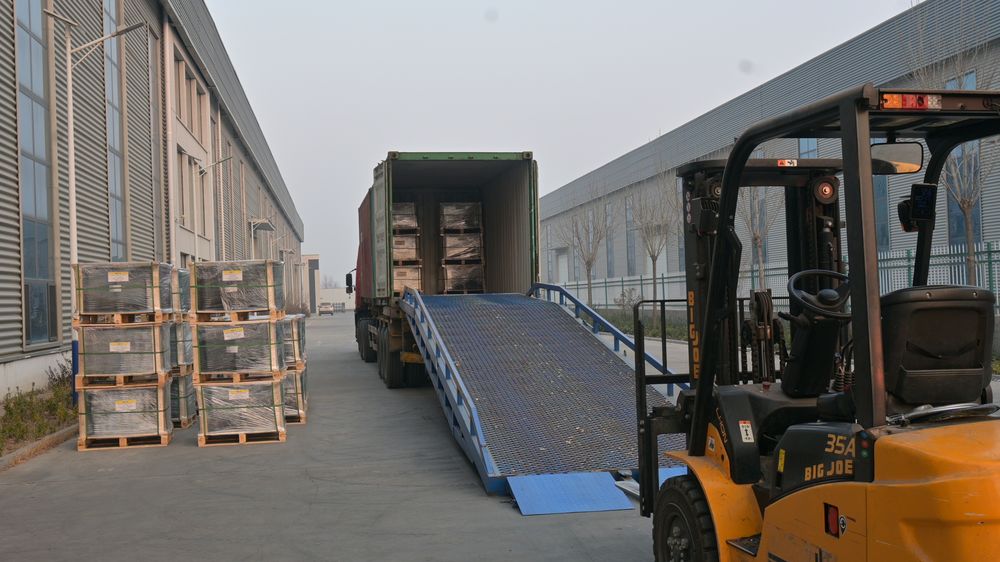
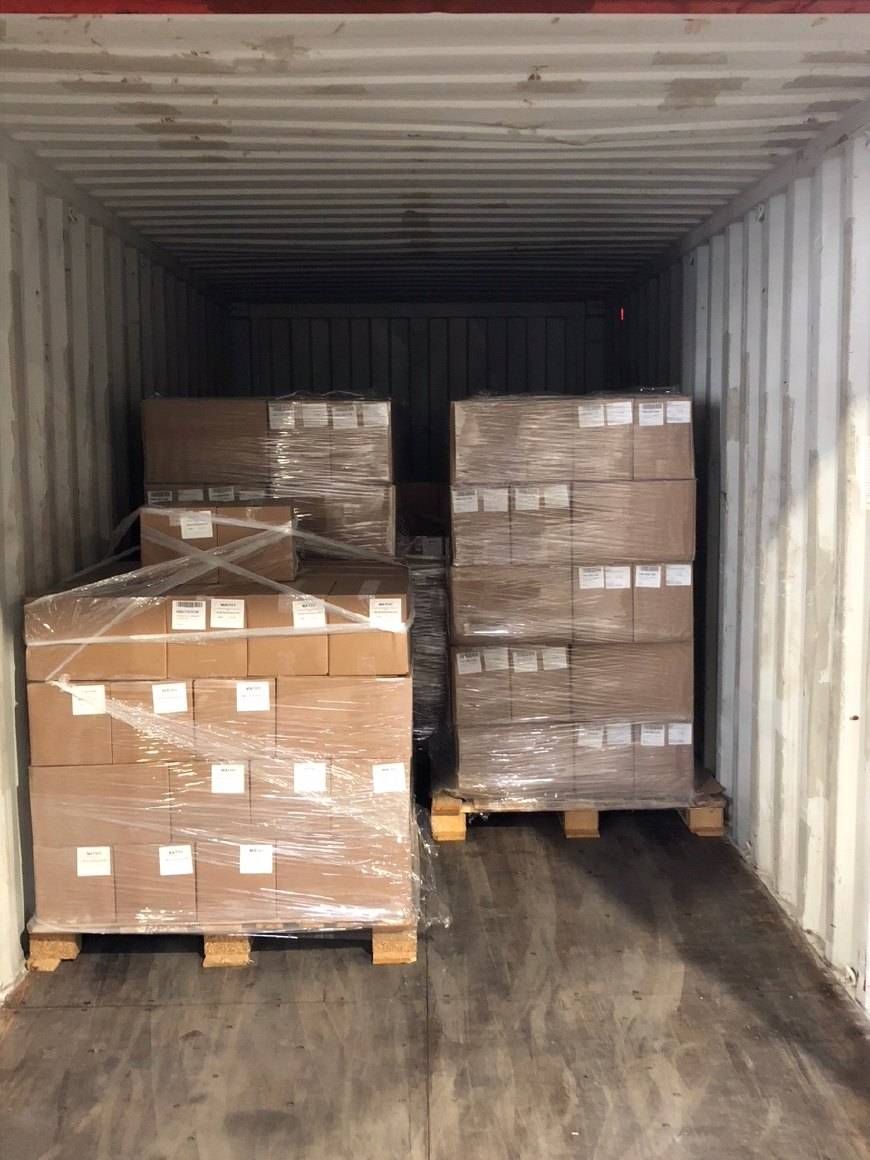
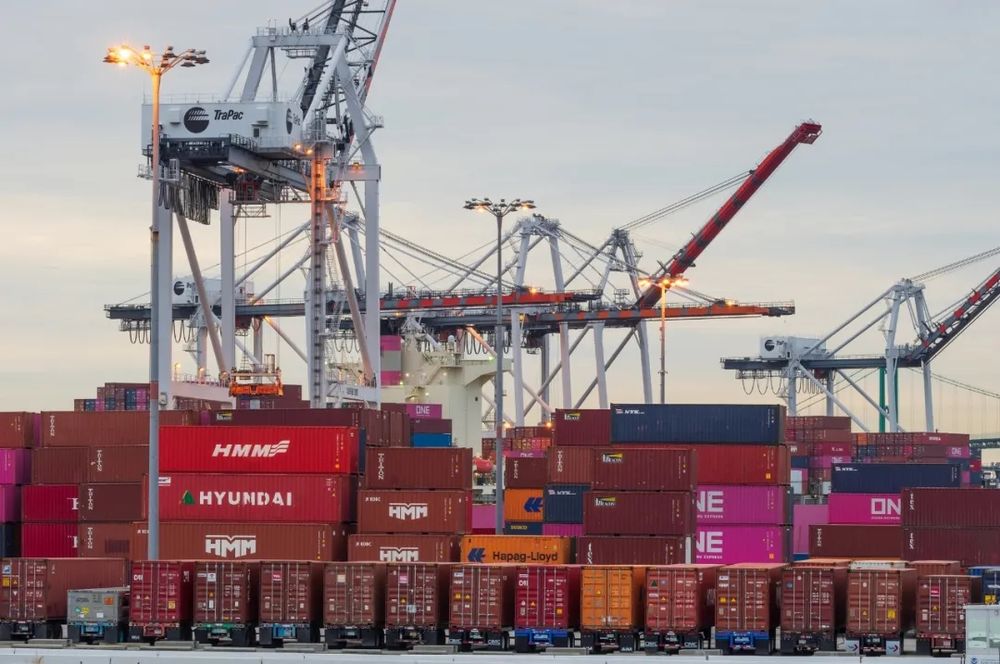
Customized delivery process
Order precautions
Before placing an order, please confirm the required product category with our sales or service staff. Customized products are not eligible for return or exchange; ex-works prices do not include taxes or freight. Every batch is strictly inspected before shipment, and minor imperfections are not considered quality problems. Please check the goods carefully upon receipt and contact us promptly if you have any questions.
- 1Provide custom drawings
- 2Choose material
- 3Get a quotation
- 4Sign the contract
- 5Production
- 6Packing & shipping
- 7Confirm receipt
- 8Order completed
Product inquiry
Related products
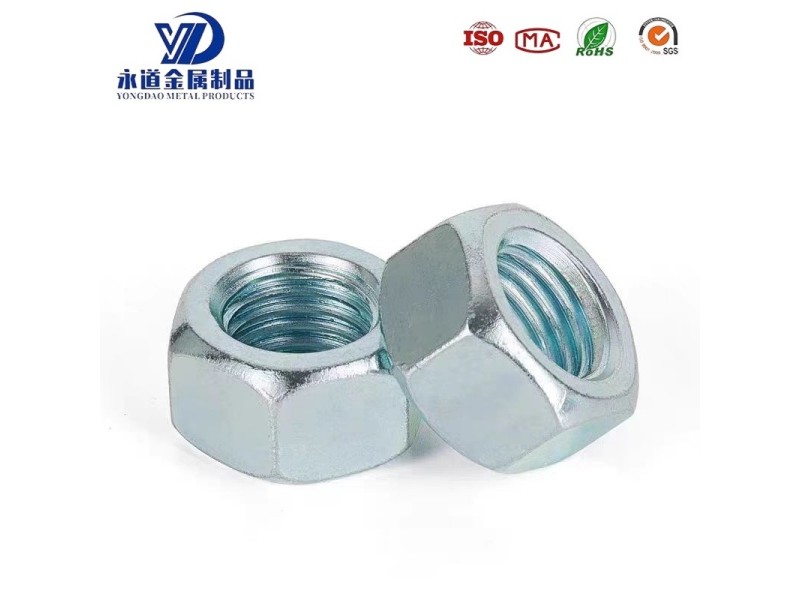 Grade 4/8 Carbon Steel Zinc-Plated Hex Nut
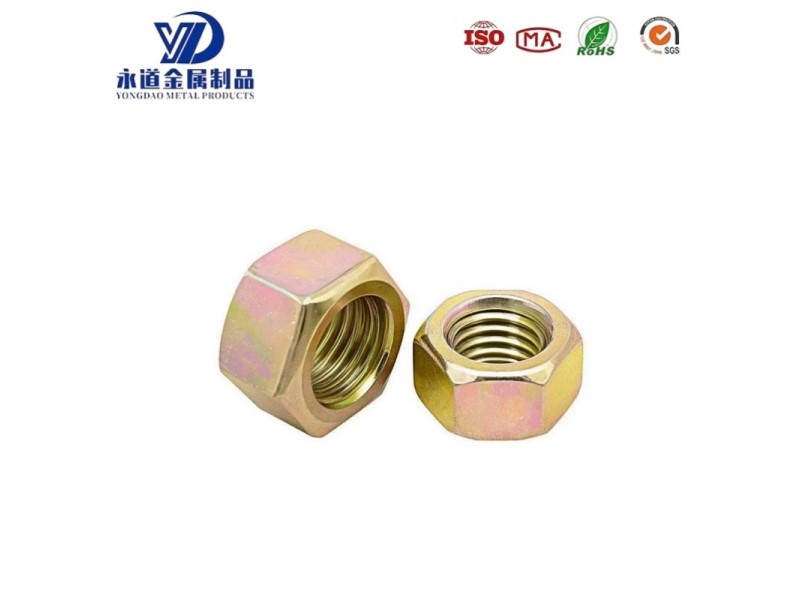 Grade 4/8 Carbon Steel Yellow Zinc-Plated Hex Nut
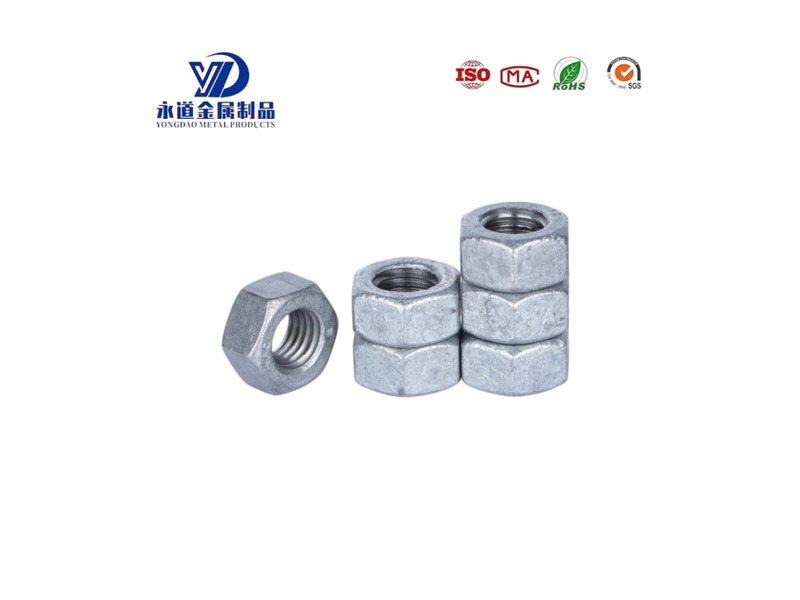 Grade 4/8/10/12 Carbon Steel Hot-Dip Galvanized Hex Nut
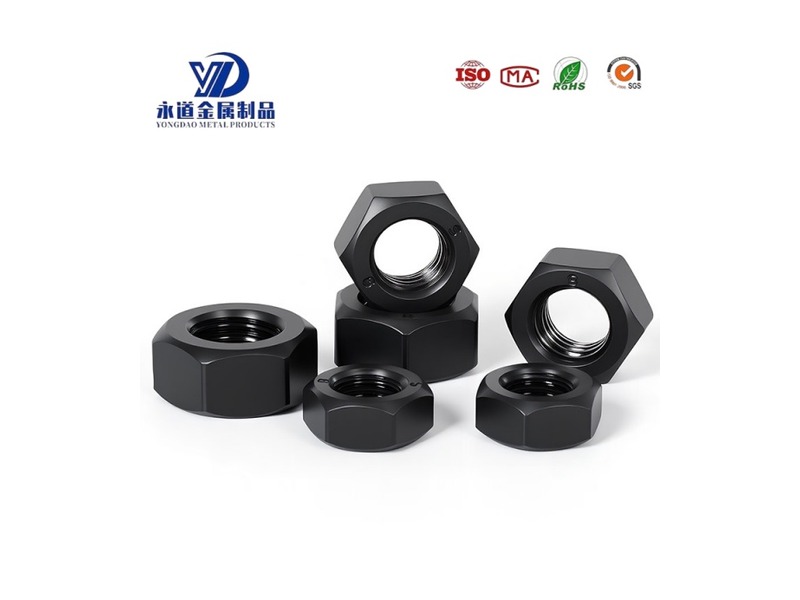 Grade 4/8/10/12 Carbon Steel Black Oxide Hex Nut
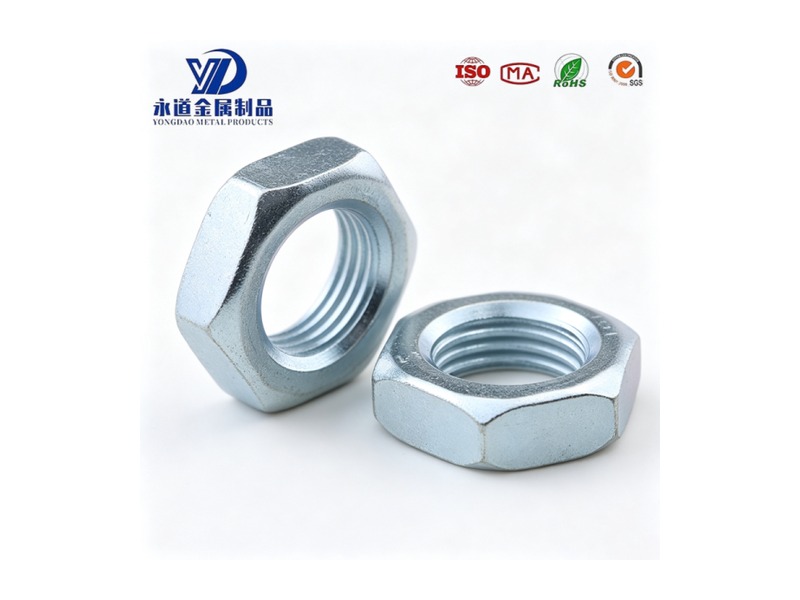 Zinc-Plated Thin Hex Nut
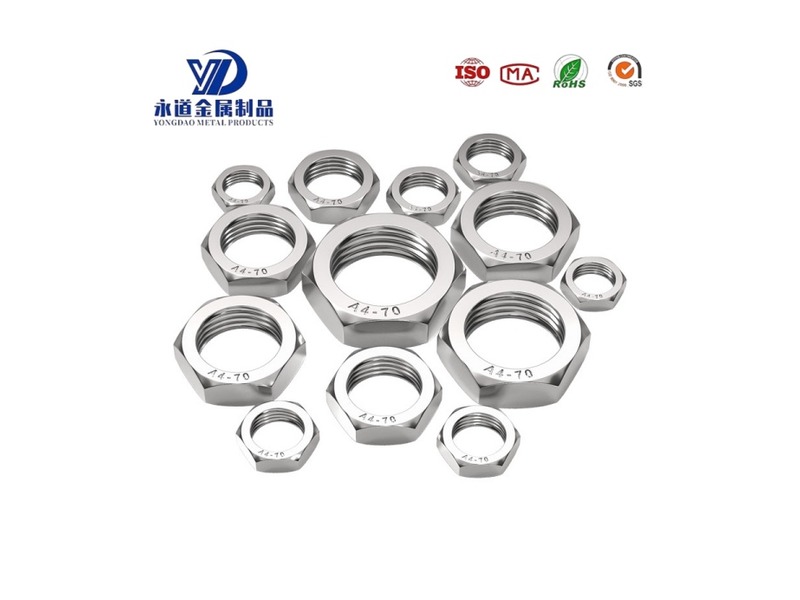 Stainless Steel Thin Hex Nut
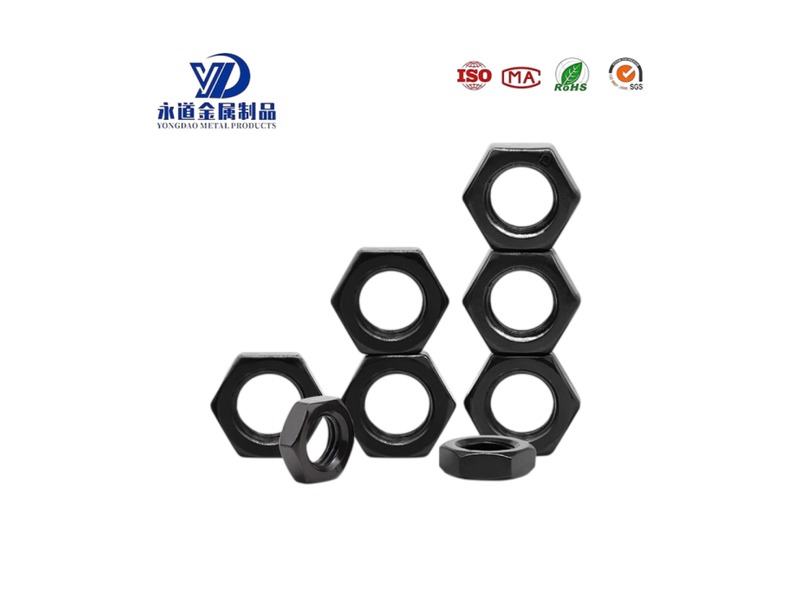 Black Oxide Thin Hex Nut
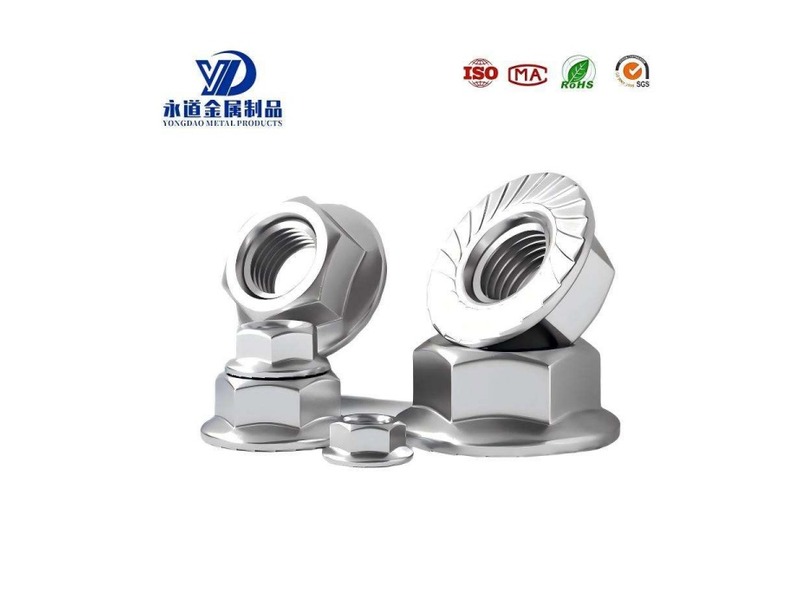 Grade 4/8 Carbon Steel Zinc-Plated Flange Nut
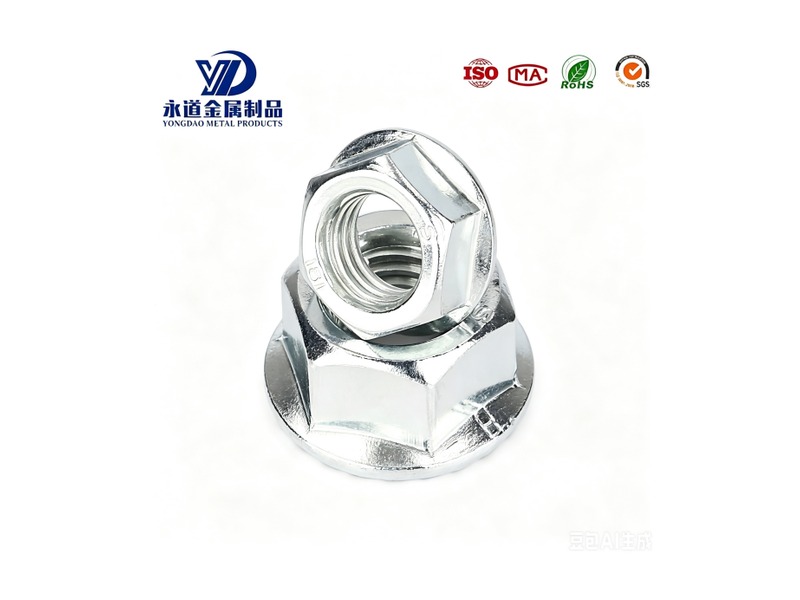 Grade 4/8 Carbon Steel Yellow Zinc-Plated Flange Nut
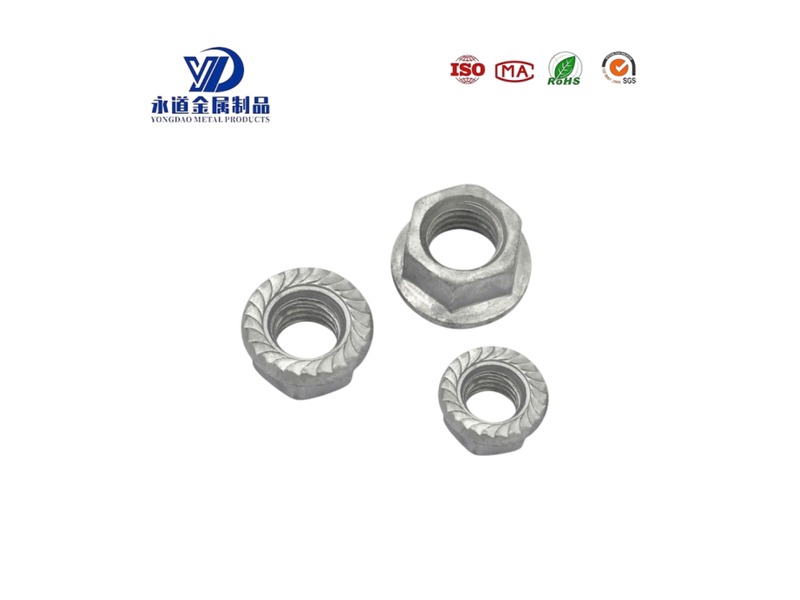 Grade 4/8/10 Carbon Steel Hot-Dip Galvanized Flange Nut
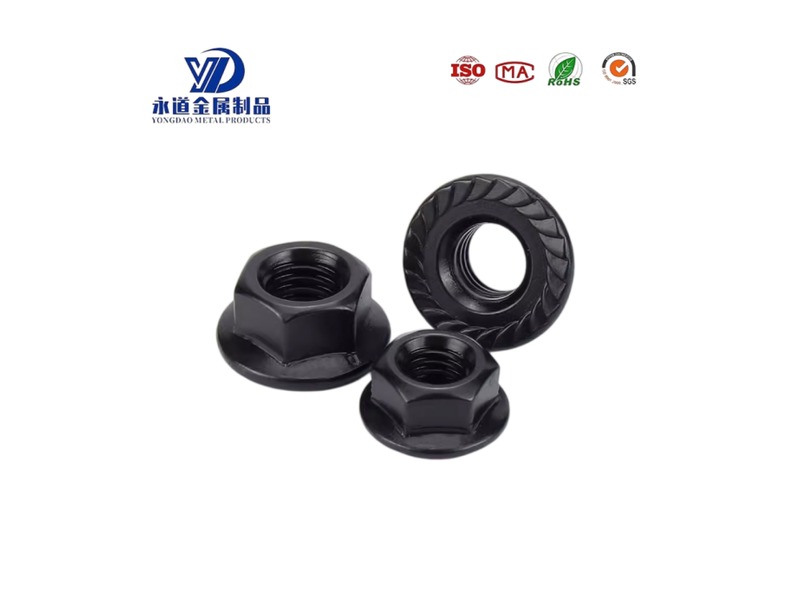 Grade 4/8/10/12 Carbon Steel Black Oxide Flange Nut
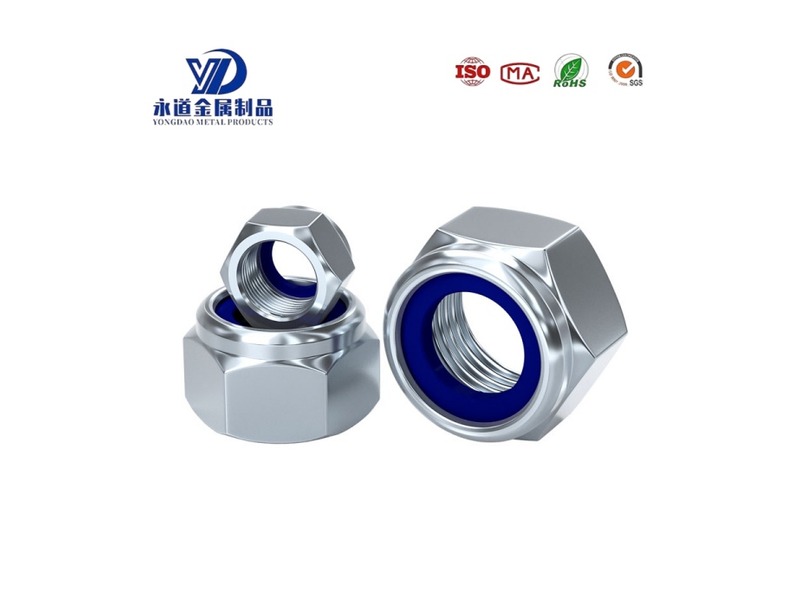 Carbon Steel Zinc-Plated Nylon Insert Lock Nut
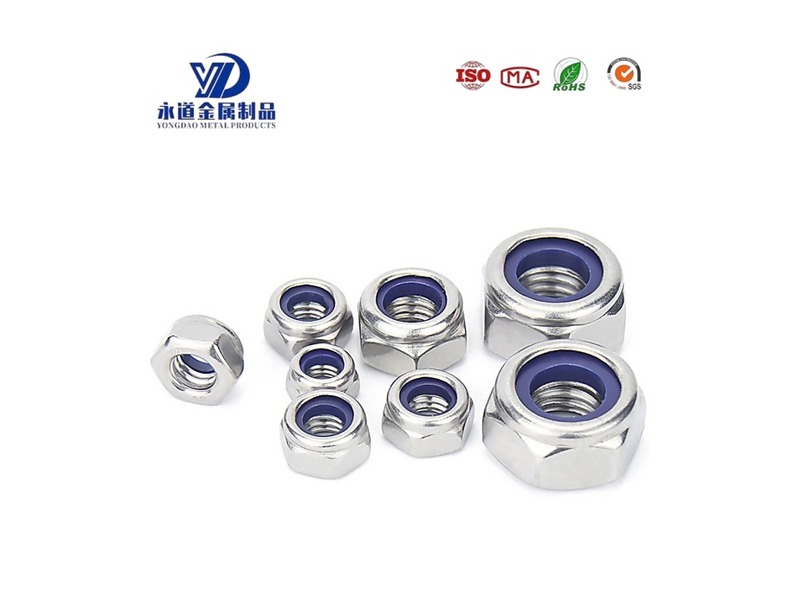 Stainless Steel Nylon Insert Lock Nut
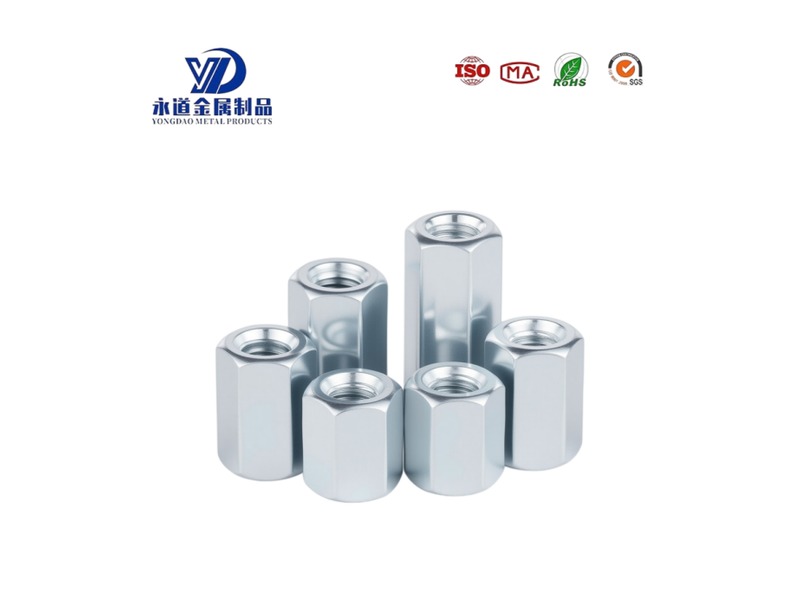 Carbon Steel Long Hex Zinc-Plated Coupling Nut
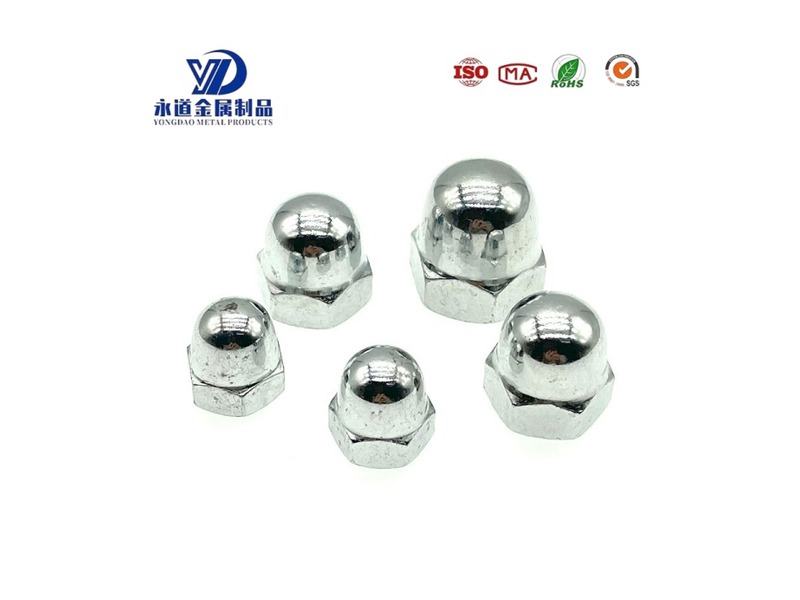 Carbon Steel Zinc-Plated Cap Nut
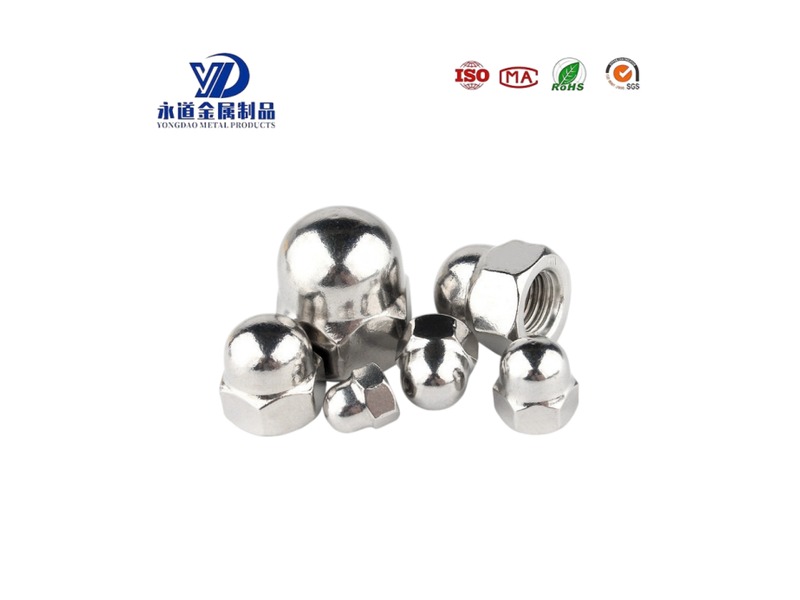 Stainless Steel Cap Nut
Frequently Asked Questions
Common questions about production, customization and orders
How does a heavy nut differ from a standard DIN 934 nut?
It is taller, so it engages more thread and carries higher preload with more resistance to distortion under shock and vibration.
Which standard does this nut follow?
It is produced to GB55 and GB56, the Chinese heavy hex nut standards, in grade 8 from M16 to M36.
Must the bolt be longer when using a heavy nut?
Yes. The extra nut height needs more thread, so bolt length must allow full engagement plus at least two protruding threads.
Which bolt class should be paired with it?
Grade 8 nuts are matched with 8.8 bolts. Do not raise the nut class alone, since that changes which component fails first.
Can the nut be reused after dismantling?
It can be refitted if the thread is undamaged and it returns to the same position. Replace any nut showing flattened or galled threads.
What are MOQ and lead time?
MOQ 1,000 pieces per size, about 7 days for stock sizes and 15 to 25 days for batch production at the larger sizes.